

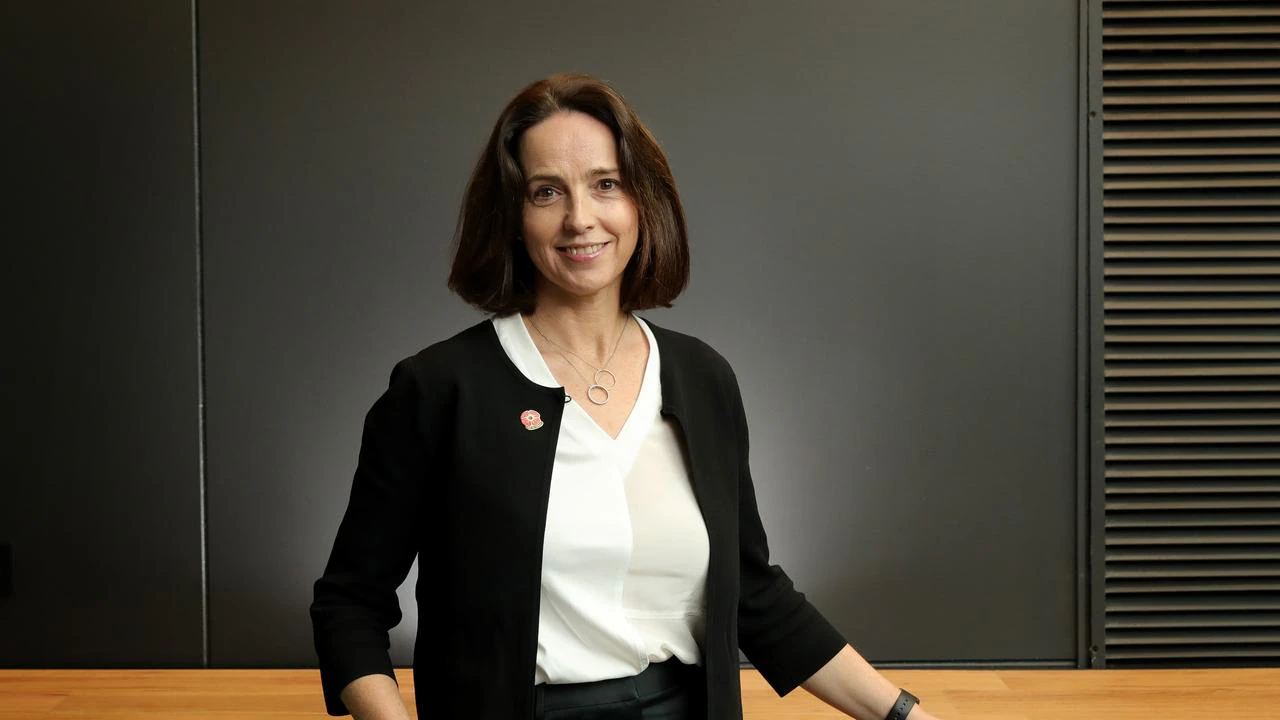
Sarah Friar, OpenAI’s CFO, recently shared a bold vision for how OpenAI could make money in the future, one that goes far beyond simple subscriptions. Speaking on a podcast, she explained that OpenAI is actively exploring business models that earn revenue directly from the real-world success of its customers.
According to Sarah Friar, this approach is about deeper alignment. Instead of charging only for access to AI tools, OpenAI could benefit when its technology helps customers achieve measurable results, such as higher revenue, faster discoveries, or breakthrough innovations.
From Subscriptions to Outcome-Based Revenue
For years, OpenAI has relied mainly on subscription pricing, especially through ChatGPT. But Sarah Friar made it clear that this is only the starting point.
She introduced the idea of licensing AI models, where OpenAI would receive royalties tied to customer outcomes. In this model, OpenAI would not just sell tools; it would share in the value those tools create.
As OpenAI CFO Sarah Friar explained, this could mean earning a percentage of revenue generated from AI-powered projects rather than charging a flat monthly fee.
Drug Discovery as a Key Example
One of the most compelling examples Sarah Friar shared involved the pharmaceutical industry. If a drug company uses OpenAI’s technology to help discover a new, life-saving medicine, OpenAI could receive a licensed share of that drug’s sales.
This idea highlights OpenAI’s goal of aligning its incentives with its partners’. When customers succeed, OpenAI succeeds too. According to Sarah Friar, this structure encourages long-term partnerships rather than short-term transactions.
The Rubik’s Cube Strategy Explained
To explain OpenAI’s growing complexity, Sarah Friar used a powerful metaphor: the Rubik’s Cube. She described OpenAI’s strategy as a cube with countless possible combinations, each representing different choices around infrastructure, products, pricing, and partnerships. Just like a Rubik’s Cube has trillions of possible states, OpenAI now has many strategic paths it can take.
When she was a university student, the math behind the Rubik’s Cube fascinated her. Today, she sees OpenAI as constantly rotating, adapting, and unlocking new possibilities.
OpenAI’s Early Simplicity vs. Today’s Scale
In its early days, OpenAI was much simpler. Sarah Friar noted that the company once relied on:
- A single cloud provider (Microsoft)
- One major chip partner (Nvidia)
- One flagship product (consumer ChatGPT)
- One core subscription plan
That “single block” version of OpenAI no longer exists.
A Rapidly Expanding Ecosystem
Today, under the financial leadership of OpenAI CFO Sarah Friar, the company operates on a much broader scale. OpenAI now works with multiple cloud providers and several chip partners, reducing dependency on any single supplier.
Its product lineup has also expanded significantly. Beyond ChatGPT, OpenAI now offers tools like Sora, enterprise solutions, research platforms, and industry-specific AI products. Each of these offerings serves different customers with different needs and different willingness to pay.
A Multi-Layered Pricing Model
The business model has evolved alongside the technology. Sarah Friar explained that the first ChatGPT subscription was introduced to cover computing costs.
Since then, OpenAI has introduced:
- Multiple subscription tiers
- Software-as-a-service pricing for businesses
- Credit-based usage models for high-value workloads
These options give OpenAI flexibility while allowing customers to choose what works best for them.
Ads, Commerce, and Licensing on the Horizon
Looking ahead, Sarah Friar said OpenAI is also considering advertising and commerce-based revenue streams. These models could work alongside premium subscriptions and outcome-based licensing.
For example, OpenAI could focus on scale by offering free access to millions of users and monetizing through ads. Alternatively, it could deliver ultra-fast, premium AI experiences powered by advanced chips at higher price points.
The Biggest Limiting Factor
Despite the growing demand for AI, Sarah Friar emphasized that the real constraint is not interest but computing power. The cost of running advanced AI systems is enormous. That is why OpenAI’s expanding revenue strategies are not optional. They are essential for funding the computing resources required to support its mission.
As Sarah Friar explained, creating diverse revenue streams enables OpenAI to continue investing in infrastructure while pushing the boundaries of AI innovation.
Who Is Sarah Friar? A Short Biography
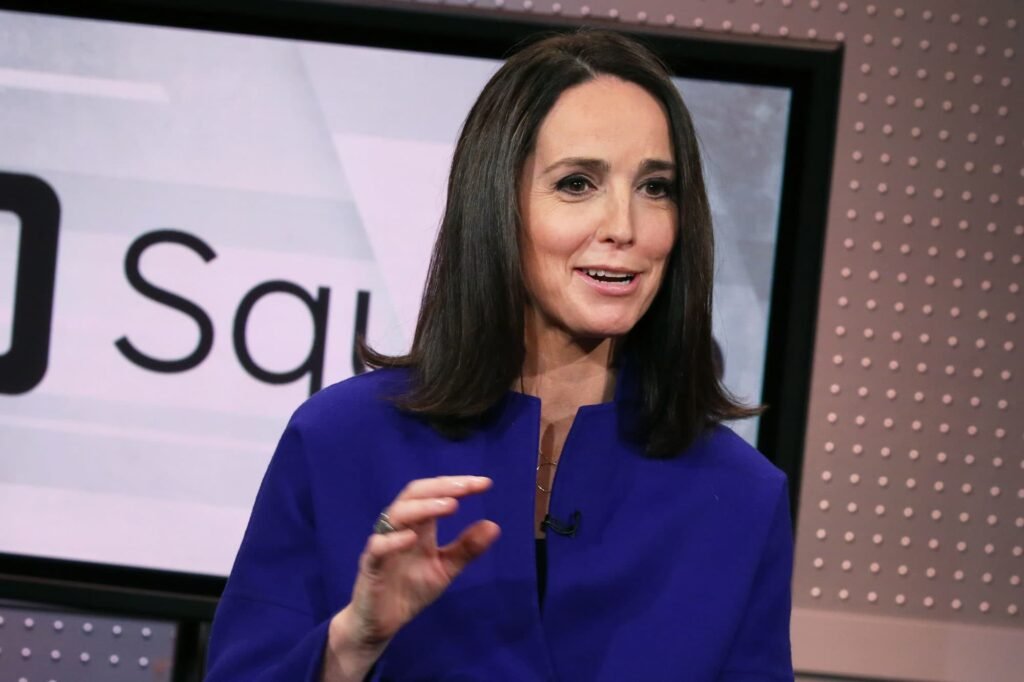
Sarah Friar is a seasoned technology and finance executive with deep experience in scaling global platforms. Before becoming OpenAI CFO, she served as CEO of Nextdoor and previously held leadership roles at Square, where she played a key role in its financial growth.
With a background that blends finance, technology, and strategy, Sarah Friar brings a disciplined yet forward-thinking approach to OpenAI. Her leadership focuses on sustainability, alignment, and long-term value creation principles clearly reflected in OpenAI’s evolving business model.
A Vision Built for the Long Term
In outlining these ideas, Sarah Friar made one thing clear: OpenAI is building for the future. Whether through subscriptions, ads, enterprise services, or licensing tied to real-world outcomes, the company is assembling a flexible financial engine.
Under the guidance of OpenAI CFO Sarah Friar, OpenAI is no longer just an AI lab or a subscription service. It is becoming a complex, adaptable platform designed to grow alongside its users’ success while sustaining the massive compute power needed to shape the future of artificial intelligence.