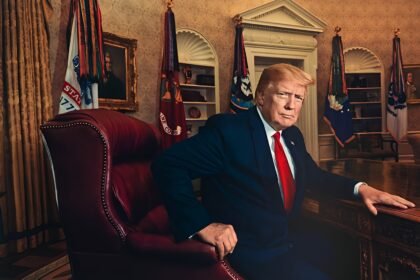


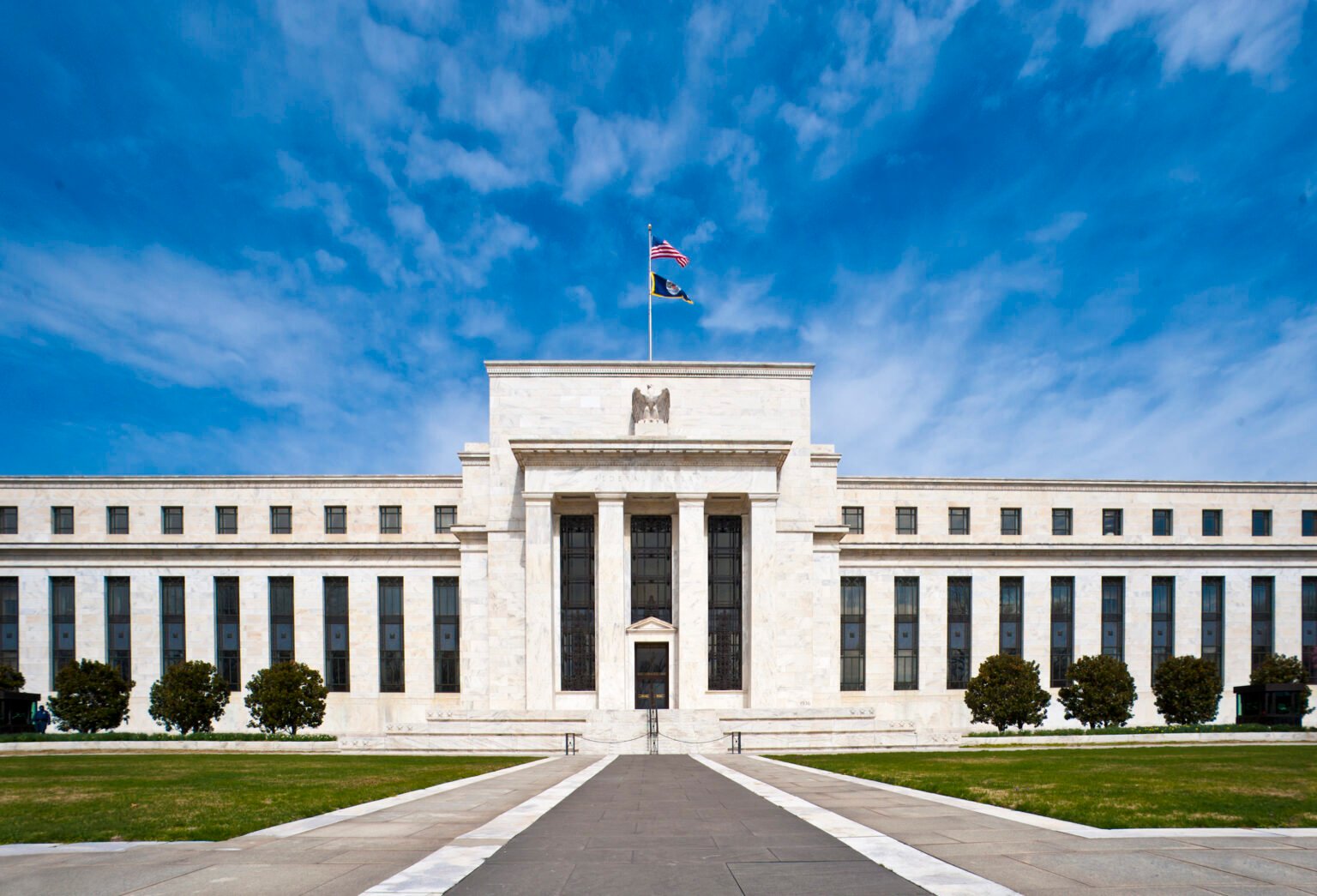
President Donald Trump has made a bold move in economic policy by nominating Kevin Warsh to serve as Fed Chair. This decision, announced on January 30, 2026, aims to replace Jerome Powell when his term ends in May. Trump praised Kevin Warsh, his Fed Chair pick, as potentially “one of the GREAT Fed Chairmen, maybe the best,” highlighting their long-standing relationship and his confidence in Warsh’s leadership. The nomination comes at a time when the Federal Reserve’s role in setting interest rates and managing the economy is under intense scrutiny.
Kevin Warsh, Fed Chair nominee, brings a unique mix of experience and views to the position. He served as a Federal Reserve governor from 2006 to 2011, the youngest ever appointed at age 35. During that time, he helped navigate the 2008 financial crisis and represented the Fed at international forums, including the G20.
Before joining the Fed, Warsh worked at Morgan Stanley in mergers and acquisitions. Today, he is a Hoover Institution fellow and a lecturer at Stanford University. His background makes him both an insider who understands the Fed’s operations and someone who has openly called for major reforms.
Trump’s choice of Kevin Warsh as Fed Chair reflects his long-held frustration with the central bank’s policies. Throughout his presidency, Trump has repeatedly criticized the Fed for not lowering interest rates enough to support economic growth. He has demanded rates as low as 1% and even pushed for investigations into Fed officials.
This tension peaked with efforts to fire certain governors and a Justice Department probe into Powell’s testimony, which many see as pressure tactics. By selecting someone like Warsh, who has recently supported lower rates and criticized the Fed’s massive balance sheet, Trump appears to be seeking greater influence over monetary policy.
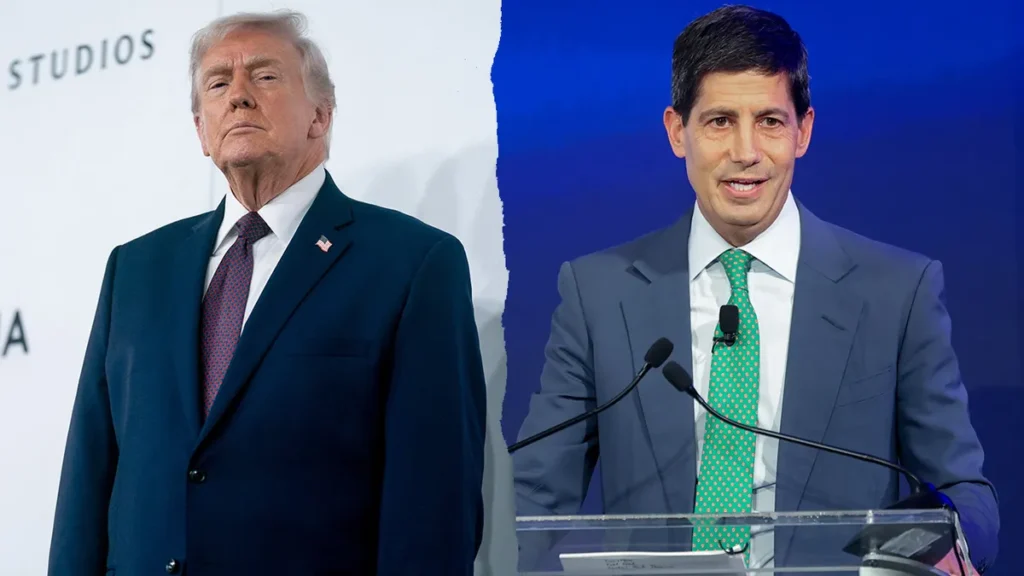
Warsh’s own record adds layers to this story. Historically, he was hawkish, pushing for higher rates to fight inflation and warning about risks from low-rate policies after the 2008 crisis.
In recent years, however, he has aligned more closely with calls for rate cuts, arguing that the Fed should reduce its holdings of government debt and mortgage securities, currently around $6.6 trillion, to prevent excessive spending and keep borrowing costs in check. He has also suggested a new agreement between the Treasury and the Fed to clarify the Fed’s role and protect its independence from fiscal policy. These ideas could lead to significant changes if he takes the helm.
Kevin Warsh
The nomination of Kevin Warsh as Fed Chair has sparked a high-stakes battle over central bank independence. The Federal Reserve is designed to operate free from political pressure, focusing on its dual mandate of maximum employment and stable prices. Critics worry that Trump’s open demands for lower rates and his past actions could erode this independence. Some senators, including Republican Thom Tillis, have said they will not support any nominee until the probe into Powell resolves.
Democrats like Elizabeth Warren have called Warren a potential “sock puppet” who might shift views to please Trump. Even Warsh himself has stated that Fed independence depends largely on the central bank standing firm, though he acknowledges it should not act like “pampered princes.”
Market reactions show the uncertainty. After the announcement, stock futures dipped, bond yields rose, and assets like gold and silver fell sharply. Investors appear concerned that a more politically aligned Fed could fuel inflation or push long-term rates higher if changes seem driven by politics rather than data. A stronger dollar also emerged, reflecting bets on tighter policy in some areas despite Warsh’s support for cuts.
The path ahead for Kevin Warsh’s confirmation as Fed chair will not be easy. The Senate must approve both his role as governor and chair. With a divided chamber, hearings will likely focus on his vision for the Fed, his willingness to resist political pressure, and how he plans to balance inflation control with growth.
Supporters praise his intellect, temperament, and deep knowledge of monetary policy. If confirmed, Warsh will join a 12-member rate-setting committee, where he will hold one vote, making sweeping changes challenging but possible through persuasion and leadership.
This nomination marks one of Trump’s most important economic decisions in his second term. As covered by Mid Insider, Kevin Warsh’s selection as Fed Chair could reshape the world’s most powerful central bank. It tests the limits of independence in an era of high deficits, AI-driven productivity gains, and ongoing debates over government spending.
Whether Warsh can maintain the Fed’s credibility while addressing Trump’s priorities remains the key question. The coming months will show if this move strengthens the economy or risks greater political interference in monetary policy.