

Many people dream of building a car collection filled with classic models, supercars, or rare exotics. They see the thrill of owning beautiful machines and assume the biggest expense is the purchase price. However, car collection costs go far beyond the initial buy. Most collectors quickly discover that ongoing expenses can add up to thousands or even hundreds of thousands of dollars each year. At Auto Insider, we often hear from enthusiasts who are surprised by how quickly these hidden costs pile up.
The truth is, car collection costs are much higher than most people expect due to maintenance, storage, insurance, and other factors that are easy to overlook.
The upfront purchase price grabs attention first. A single classic car or supercar can cost hundreds of thousands of dollars, and building a collection means multiplying that number. But this is just the starting point. Once the cars are in your garage, the real costs of maintaining a car collection begin. Unlike everyday vehicles, collector cars often sit for long periods.
This leads to special needs that drive up expenses. Batteries need maintainers to prevent draining; fuel stabilizers prevent bad gas; and tires can develop flat spots if the car doesn’t move. Rodents or humidity can damage interiors and engines if storage isn’t perfect. These small issues turn into big bills fast.
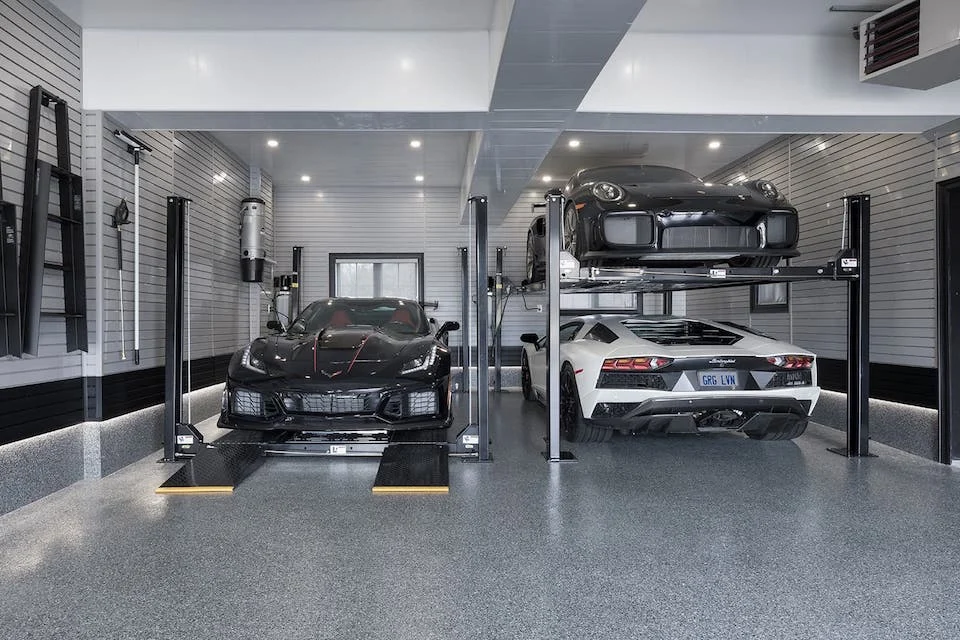
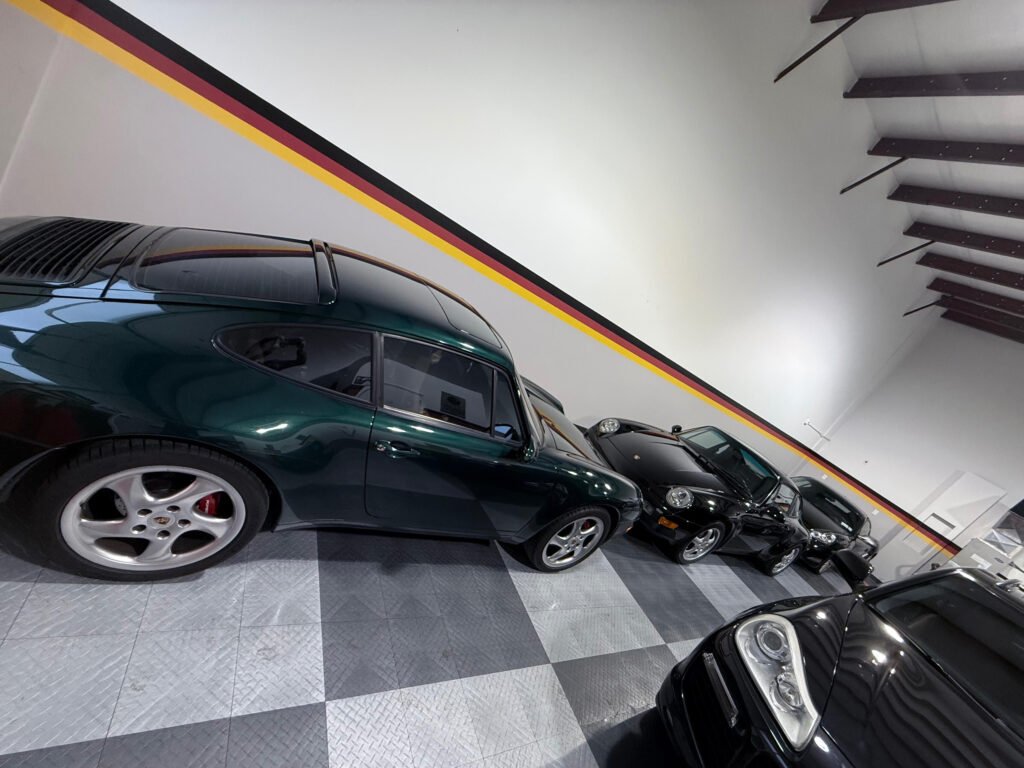
Storage is one of the highest hidden costs of car collections. A basic driveway or standard garage won’t do for valuable cars. Collectors need climate-controlled spaces to prevent rust, fading, or mold. Professional facilities with security cameras, fire protection, and stable temperatures are expensive to maintain. Some owners spend hundreds of thousands of dollars annually to store their collections safely.
For example, high-profile collectors have reported that storage fees alone can reach $180,000 per year. Without proper storage, cars lose value or require expensive fixes. This makes car collection costs rise quickly for anyone serious about protecting their investment.
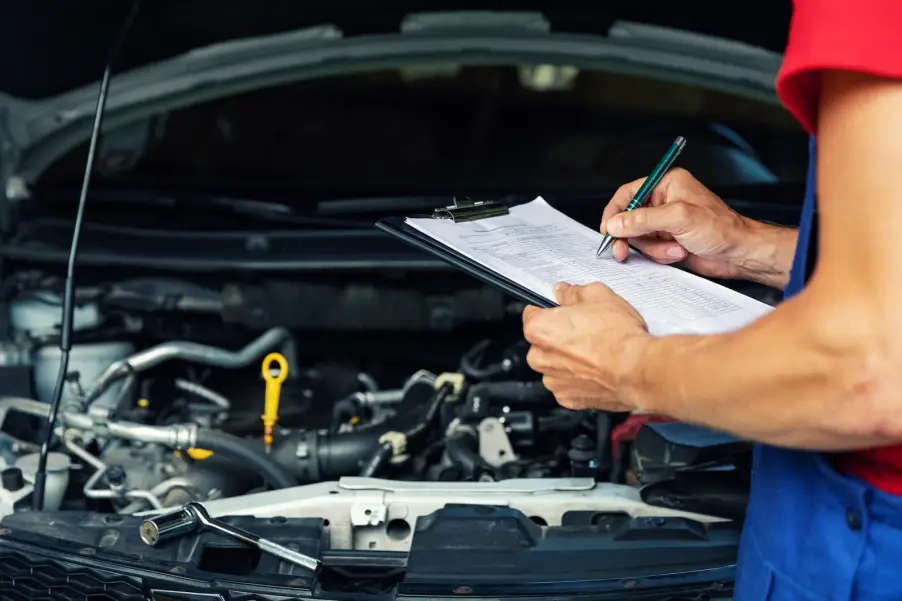
Maintenance and repairs form another major chunk of car collection costs. Classic cars and supercars need regular care even when not driven. Oil changes every six months keep engines healthy, and perishable parts like belts, hoses, and rubber seals must be checked often. Parts for rare models are hard to find and expensive. A single service on a high-end supercar can cost thousands, with major repairs like hybrid battery replacements running over $150,000 in some cases.
Tires for certain exotics cost tens of thousands per set. Serious collectors often hire full-time staff or use specialized shops, adding to the yearly bill. Reports show that maintaining a serious collection can easily reach hundreds of thousands of dollars annually, far more than the average car owner pays.
Insurance adds another layer of costs to car collection. Standard auto insurance policies don’t adequately cover collector cars. Specialized collector insurance is required for high-value, low-mileage vehicles. These policies consider agreed value, but premiums are high due to the cars’ value and risks such as theft or damage.
Coverage for multiple cars increases the total. Some collectors pay tens of thousands of dollars in insurance premiums each year. Driving cars more raises rates even higher due to added risk. Without the right policy, an accident or theft could result in significant out-of-pocket losses.
Taxes, registration, and fees also contribute to the cost of car collection. Each car may require annual registration, emissions testing, or property taxes, depending on the location. Imported or rare models may incur additional duties or compliance costs. Transporting cars to shows or between storage sites costs thousands per trip, including the cost of enclosed trailers and insurance. Detailing to keep cars show-ready can run $30,000 or more per year for large collections.
Depreciation and market changes also affect car collection costs. Not all cars gain value. Many lose worth over time due to wear, market shifts, or oversupply. Even if a car appreciates, maintenance and other expenses might outweigh the gain. Collectors often tie up money that could earn returns elsewhere. The time spent managing the collection is another hidden cost. Researching, sourcing parts, and handling logistics take hours that add up.
In the end, car collection costs are much higher than most people think because they involve far more than buying the cars. From storage and maintenance to insurance and unexpected repairs, these expenses can turn a fun hobby into a major financial commitment. At Auto Insider, we recommend careful planning and long-term budgeting.
Only then can collectors enjoy their passion without financial surprises. If you’re considering a collection, look beyond the sticker price and prepare for the full picture of car collection costs.