

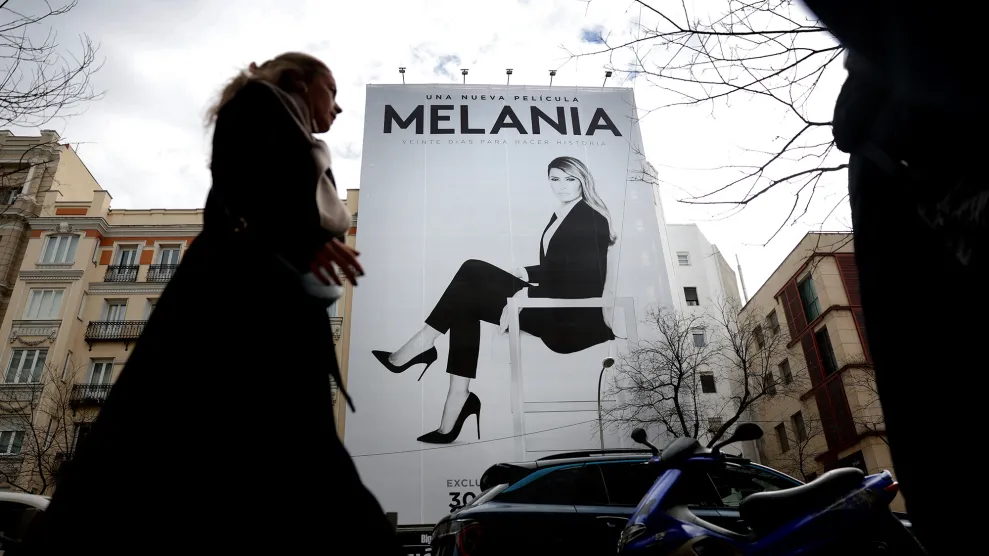
The Melania documentary has surprised industry observers by outperforming its initial box office projections during its opening weekend. Early Sunday estimates indicate the film earned approximately $7.04 million, significantly higher than the $3 to $5 million range analysts had predicted before release. While the numbers are modest by blockbuster standards, they are notable for a politically themed documentary released into a competitive theatrical marketplace.
Despite exceeding expectations, the film still faces major financial hurdles due to its unusually high acquisition and marketing costs. The opening performance, however, signals strong public curiosity around the former First Lady and her life behind the scenes during a pivotal moment in American political history.
Weekend Box Office Rankings and Competition
In overall weekend rankings, the Melania documentary placed third at the box office, behind two higher-grossing releases. Leading the weekend was “Send Help,” a thriller directed by Sam Raimi, which opened with an estimated $20 million. Close behind was “Iron Lung,” a video game adaptation created by popular YouTuber Mark Fischbach, widely known as Markiplier, which earned around $17.8 million.
Considering the genre and subject matter, the documentary’s third-place finish highlights its strong visibility and marketing reach. Political documentaries rarely compete directly with mainstream genre films, making their performance notable even in a crowded release window.
Amazon’s Massive Investment Raises Eyebrows
Amazon’s involvement in the Melania documentary has been one of the most talked-about aspects of the film’s release. The company reportedly paid $40 million to acquire the documentary, outbidding Disney by a striking $26 million. On top of that, Amazon is said to have spent an additional $35 million on marketing and promotion, bringing total expenditures close to $75 million.
Given those figures, it is highly unlikely the film will turn a profit during its theatrical run. Industry analysts suggest that the deal was never about box office success alone, but rather part of a broader strategic or political calculation. The unusually high price tag has fueled speculation about Amazon’s motivations, particularly regarding its efforts to maintain favorable relations with the Trump administration.
Industry Veterans Question the Deal’s Intentions
The size of Amazon’s investment has drawn criticism from seasoned film executives. Ted Hope, a veteran producer who worked at Amazon Studios from 2015 to 2020, publicly questioned the rationale behind the deal. Speaking to The New York Times, Hope described the project as potentially “the most expensive documentary ever made that didn’t involve music licensing.”
Hope openly suggested that the acquisition could be interpreted as an attempt to curry favor with political leadership rather than a traditional business decision. His remarks have amplified concerns about the intersection of politics, media power, and corporate strategy surrounding the Melania documentary.
Brett Ratner’s Return to Filmmaking Sparks Controversy
Another major point of discussion is the documentary’s director, Brett Ratner, who has not released a film since 2017. Ratner stepped away from Hollywood after multiple women accused him of sexual harassment and misconduct allegations he has consistently denied.
According to reports, his return has been divisive within the industry. Rolling Stone revealed that nearly two-thirds of the New York production crew requested not to be formally credited in the film, a rare and telling move that reflects discomfort among those involved. This development has further complicated the public perception of the project and added another layer of controversy to its release.
Lack of Early Screenings and Harsh Critical Response
Unlike most high-profile releases, the Melania documentary was not screened for critics ahead of its theatrical debut. When reviews finally arrived, they were overwhelmingly negative. The film currently holds a 7% score on Metacritic, indicating widespread critical dislike, and a 10% score on Rotten Tomatoes.
Prominent critics have described the documentary as tightly controlled and lacking depth. New York Times film critic Manohla Dargis characterized it as a carefully stage-managed portrayal of Melania Trump’s daily routine, focused largely on the 20 days leading up to President Trump’s 2025 inauguration. Critics argue that the film avoids challenging questions and offers only surface-level insights.
High-Profile Screenings and Strategic Positioning
Despite critical backlash, the film has received attention from influential figures. Apple CEO Tim Cook reportedly attended a private preview screening at the White House, underscoring the documentary’s political and cultural significance. These high-level associations have kept the film in the news cycle, even as reviews remain unfavorable.
Amazon appears unfazed by the theatrical criticism. Company executives have emphasized that the cinema release represents only one phase of the project’s broader lifecycle, with streaming playing a central role in its long-term strategy.
Amazon Eyes Long-Term Streaming Success
Kevin Wilson, Amazon MGM’s head of domestic theatrical distribution, described the opening weekend as just the beginning. In an official statement, he said the company views the theatrical run as “an important first step” in what it expects to be a long-tail performance, particularly once the documentary transitions to Amazon Prime Video.
Amazon also plans to expand the project into a docuseries, which could enable deeper storytelling and broader audience engagement. While the Melania documentary may struggle to justify its cost in theaters, its real value may lie in driving subscriptions, engagement, and political relevance on Amazon’s streaming platform.
Melania Documentary: A Film Bigger Than Its Box Office
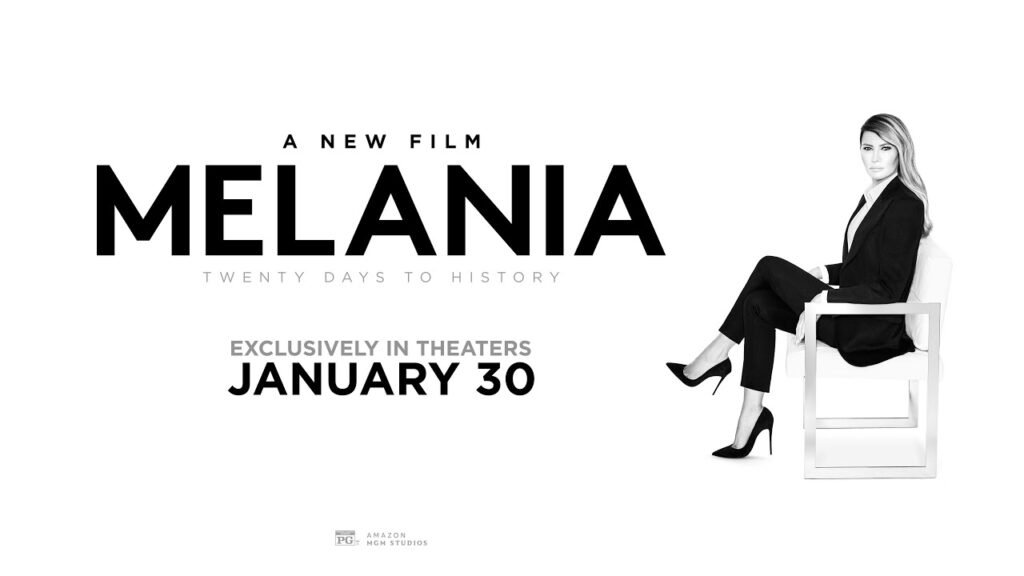
The Melania documentary stands as one of the most talked-about political films of recent years, not because of universal acclaim, but due to its extraordinary budget, controversial creative leadership, and strategic implications. While its opening weekend box office exceeded expectations, the film’s true impact will be measured over time through streaming performance and public discourse.
As debates continue around media influence, political power, and corporate strategy, the documentary remains a compelling case study in how films can matter far beyond ticket sales alone.