

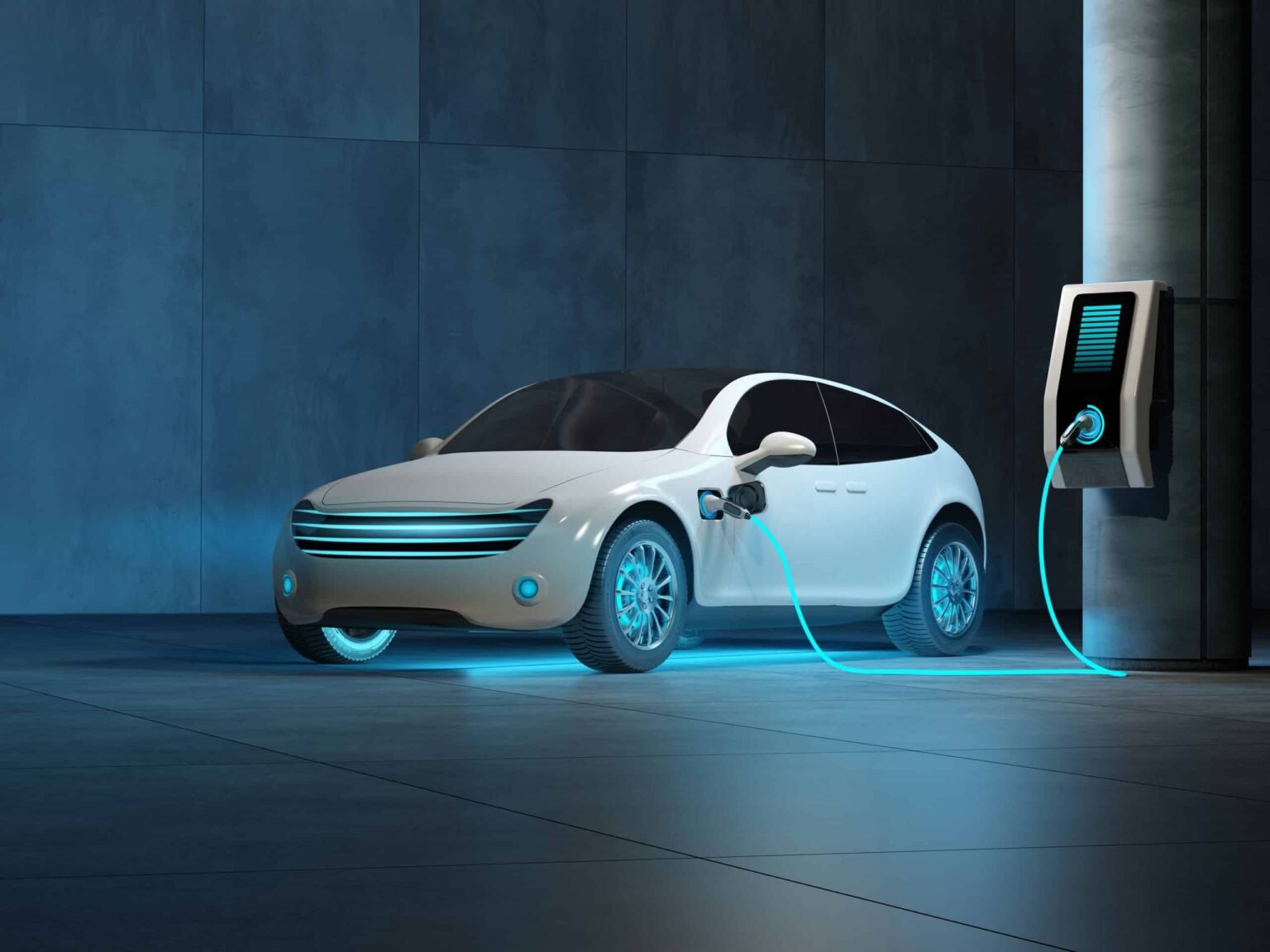
Electric vehicles are changing how people drive around the world. These cars use batteries and electric motors instead of gasoline engines. Many drivers like them because they save money and help the planet. In this article, we look at five main benefits of electric vehicles. We also discuss whether you should buy one. With rising fuel prices and new government rules, now is a good time to think about making the switch.
1. Environmental Benefits
Electric vehicles produce zero tailpipe emissions. Unlike gas cars, they do not release harmful gases while driving. This helps reduce air pollution and fight climate change. Studies show that electric vehicles have a smaller carbon footprint than gasoline cars over their lifetime, even when you count the electricity used for charging. The exact savings depend on the cleanliness of the local power grid. In places with more solar or wind power, the benefits grow even bigger.
Over time, switching to electric vehicles can cut greenhouse gas emissions by half or more compared to regular cars. This protects forests, oceans, and wildlife. In cities, fewer emissions mean cleaner air for everyone to breathe. Many countries, including Pakistan, are pushing for greater adoption of electric vehicles to meet global climate goals. By choosing electric vehicles, you play a small but important part in creating a greener future for your children and grandchildren.
2. Lower Running Costs
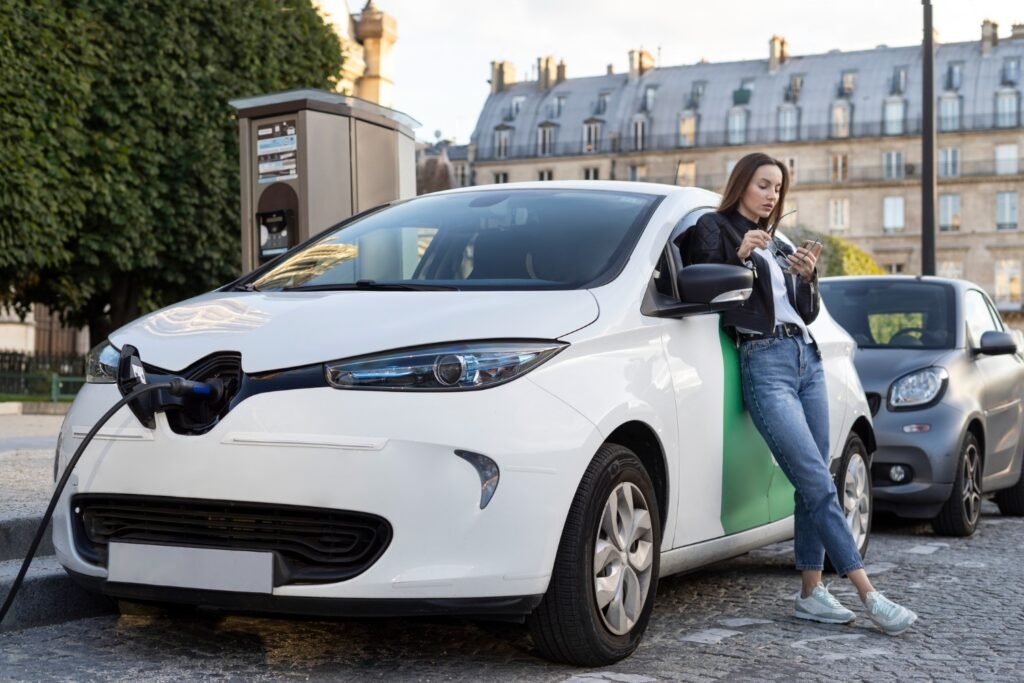
One big reason people choose electric vehicles is the money they save on fuel and upkeep. Charging at home usually costs much less than filling up with gas. For example, driving 100 miles in an electric vehicle might cost around $5 at average home electricity rates, while a gas car could cost $13 or more. Electricity prices are often stable, while gas prices fluctuate quickly.
Maintenance is also cheaper for electric vehicles. There is no engine oil to change, no spark plugs, and fewer moving parts that can break. This can cut yearly maintenance costs by half compared to gas cars. Over five to ten years, the total savings on fuel and repairs can reach thousands of dollars. In Pakistan, where fuel prices are high and rising, these savings feel even better. Many owners say their monthly driving budget drops significantly after switching to electric vehicles.
3. Better Performance and Driving Experience
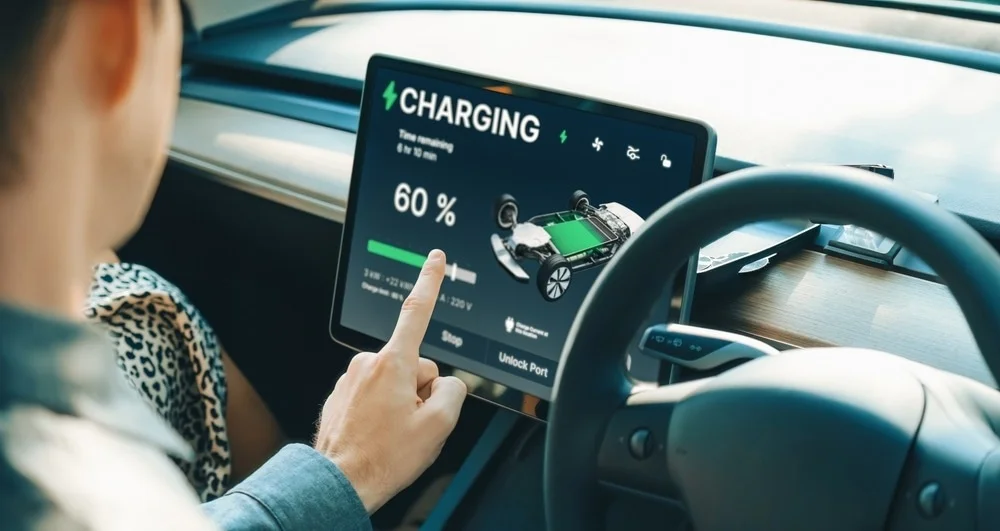
Electric vehicles give you smooth, quiet, and exciting drives. The electric motor delivers instant torque right from the start. This means electric vehicles accelerate quickly and feel responsive on the road. Many models go from zero to 60 miles per hour in just a few seconds, faster than most gas cars in the same price range.
There is almost no engine noise or vibration. You enjoy peaceful rides, especially in traffic or on highways. The low center of gravity from the battery pack also helps electric vehicles handle turns better and feel more stable. Drivers often say electric vehicles are more fun and less tiring to drive every day. Whether you commute to work or take family trips, the smooth power makes every journey enjoyable.
4. Government Incentives and Charging Convenience
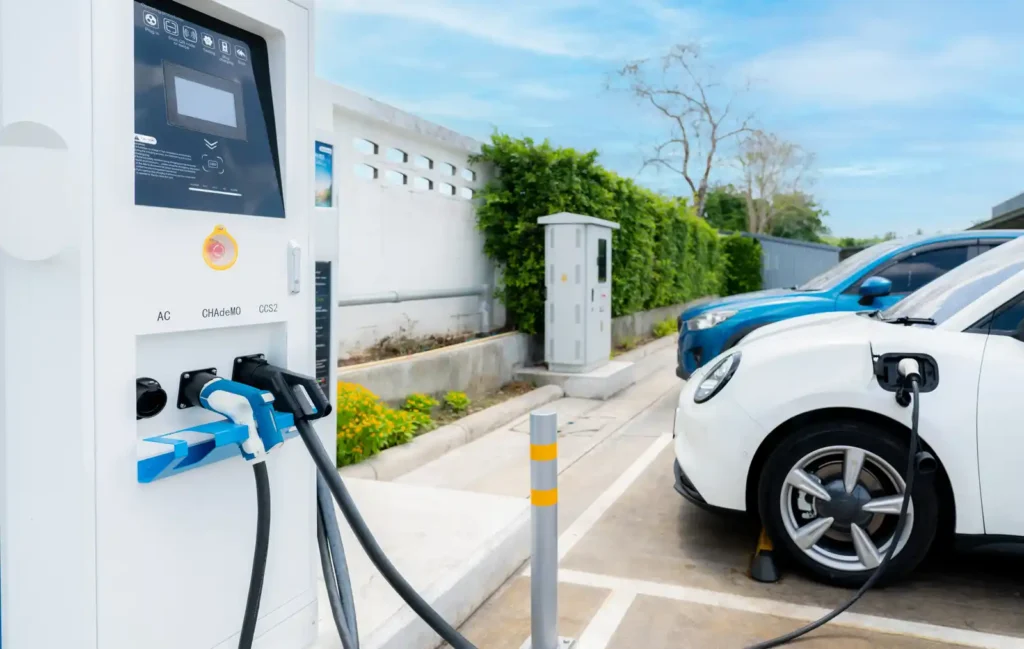
Many governments offer incentives to help people save money on electric vehicles. These include tax credits, lower import duties, or direct subsidies that reduce the purchase price. In Pakistan, the new National EV Policy 2025–30 provides big subsidies. Buyers can get up to PKR 80,000 for electric bikes and PKR 400,000 for rickshaws or loaders. There are also soft loans and EMI plans from banks and companies like Hyundai for models such as the IONIQ 5 and IONIQ 6.
You can charge electric vehicles at home overnight using a simple wall outlet or a faster home charger. This is convenient—no more trips to the gas station. Public charging stations are growing fast in cities. Many owners plug in at night and wake up with a fully charged battery, ready for the day. These perks make electric vehicles easier and cheaper to own from the first year onward.
5. Health and Public Benefits
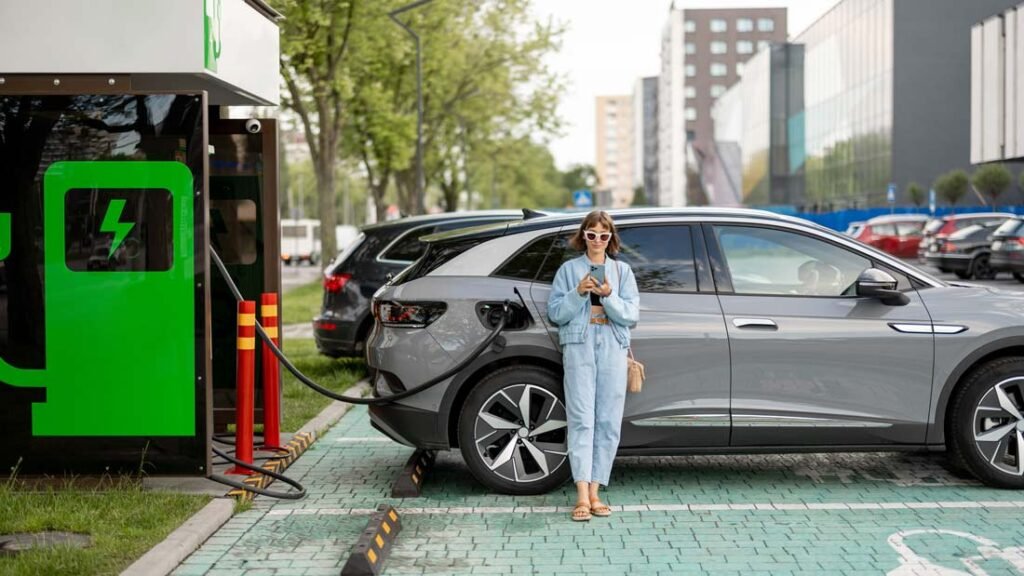
Cleaner air from electric vehicles improves public health. Less pollution means fewer cases of asthma, lung problems, and heart disease, especially in busy cities. Research shows that wider use of electric vehicles can avoid hundreds of early deaths each year by cutting fine particle pollution and ozone. Everyone benefits—children, older people, and those with breathing issues.
Electric vehicles also feel safer in some ways. Many come with advanced driver aids, strong battery protection, and quick response times. Lower noise reduces stress on the road. By driving electric vehicles, you help create healthier neighborhoods and support a cleaner transportation system for your community.
Should You Buy an Electric Vehicle?

Electric vehicles offer clear benefits, but they are not perfect for everyone. The biggest drawback is the higher upfront price. Even with subsidies, some models cost more than similar gas cars. The battery range is usually 300 to 500 kilometers on a full charge, which is enough for most city driving but may worry people who often travel long distances. Charging takes longer than filling gas—30 minutes or more at fast stations, or hours at home.
In Pakistan, the charging infrastructure is still growing. Big cities like Karachi, Lahore, and Islamabad have more stations, but rural areas have fewer. Electricity outages can be common in some areas, so home charging may not always be reliable. Replacing a battery after 10-15 years is expensive, though warranties often cover it for a long time. Used electric vehicles now offer the lowest lifetime ownership costs in many studies, saving up to $13,000 compared to new gas cars.
If you drive mostly short distances, live in a city, have access to home or workplace charging, and care about the environment or monthly savings, electric vehicles are a great choice. Families, daily commuters, and eco-conscious buyers benefit most. With Pakistan’s new policies aiming for 30% electric new vehicle sales by 2030, prices and options will keep improving. Test-drive a few models, check your daily mileage, and calculate total costs, including incentives. Many owners say the switch pays off within a few years.
Automotive Insider’s Opinion

Electric vehicles offer real advantages in cost, performance, environmental impact, health, and convenience. They are quiet, modern, and future-ready. At the same time, think about your lifestyle, budget, and local charging options before you buy. As technology advances and more incentives are introduced, electric vehicles will become easier for everyone to access. Take time to research models available in your area and talk to current owners. The decision is personal, but for many people, electric vehicles are the smarter and cleaner way to drive today and tomorrow.