

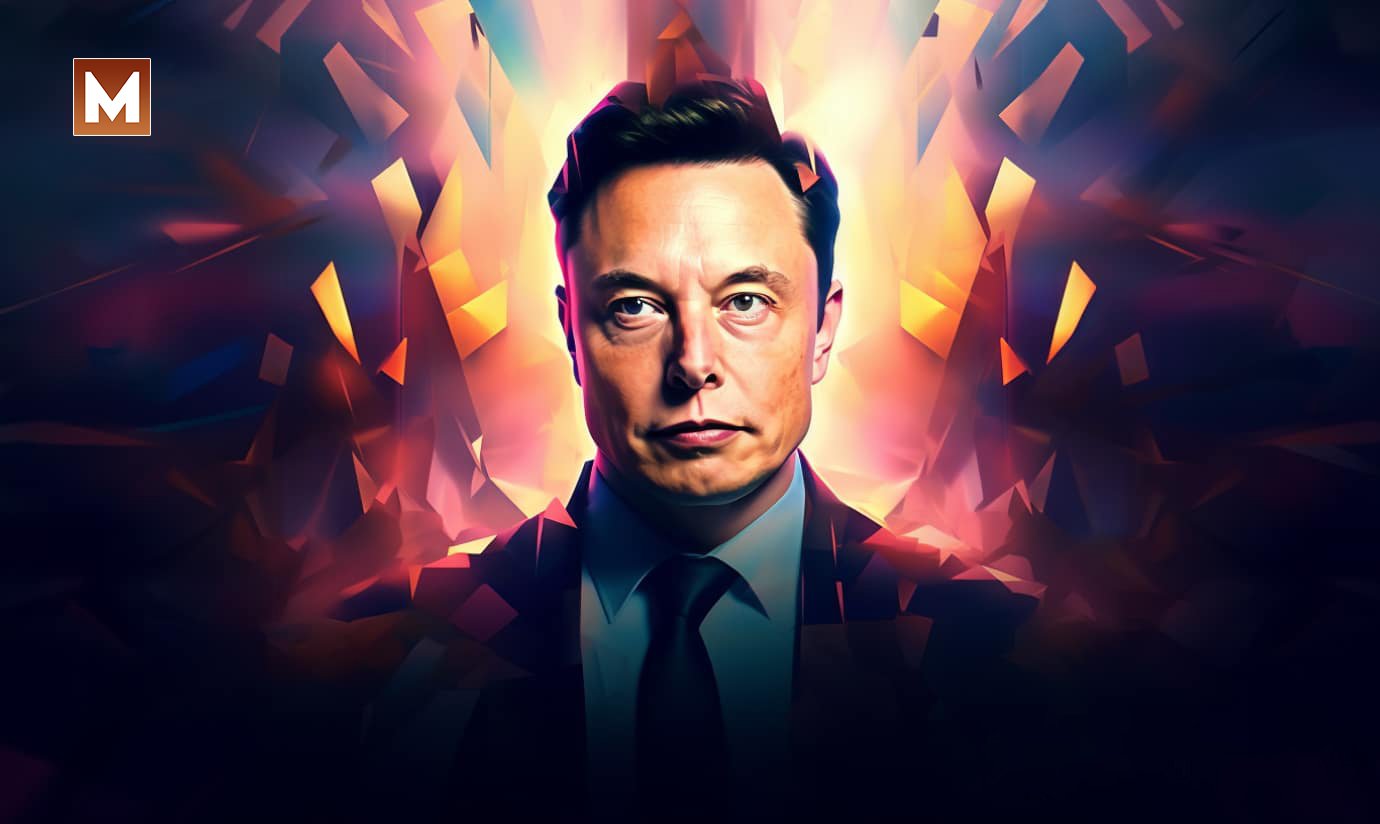
Elon Musk, the innovative CEO of Tesla, has always been known for his ambitious predictions for his company. Recently, he made headlines by stating that Tesla could reach a staggering $100 trillion market capitalization. This bold claim has sparked widespread discussion among investors, tech enthusiasts, and industry experts. While the idea of Tesla $100 Trillion seems like a dream from a science fiction novel, Musk emphasized that achieving this would require enormous work.
In this article from Business Insider, we dive deep into what this means for Tesla, exploring the opportunities, hurdles, and strategies that could make this vision a reality. Whether you’re a Tesla fan or just curious about the electric vehicle giant’s future, this guide will provide helpful insights in simple terms.
Tesla has revolutionized the automotive industry by leading the shift toward electric vehicles and sustainable energy. From its humble beginnings as a niche car maker, Tesla has grown into a global powerhouse. Musk’s latest comments about Tesla $100 Trillion highlight his confidence in the company’s long-term potential, but they also come with a realistic warning about the hard road ahead. As we unpack this statement, we’ll look at Tesla’s current standing, the factors that could drive such massive growth, and the enormous work needed to get there.
Understanding Tesla’s Current Market Position
Today, Tesla stands as one of the most valuable companies in the world, with a market cap that has fluctuated but often hovers in the trillions. As of recent data, Tesla’s valuation is impressive, but reaching Tesla $100 Trillion would mean multiplying its current worth by a factor of around 100. This isn’t just about selling more cars; it’s about expanding into new territories like robotics, artificial intelligence, and energy solutions. Musk has pointed out that Tesla’s success so far is built on innovation, such as the development of advanced battery technology and autonomous driving features.
What makes Tesla unique is its ecosystem approach. Unlike traditional automakers, Tesla integrates software, hardware, and services seamlessly. For instance, the Full Self-Driving (FSD) capability is not just a feature; it’s a potential revenue stream through subscriptions and updates. Investors are betting on this holistic model to propel Tesla forward.
However, Musk’s mention of enormous work reminds us that sustaining growth at this scale demands continuous investment in research and development. Without it, even a leader like Tesla could face stagnation.
Elon Musk’s Bold Prediction: Tesla $100 Trillion Potential
When Elon Musk talks about Tesla $100 Trillion, he’s not pulling numbers out of thin air. His vision is rooted in Tesla’s potential to dominate multiple industries. Musk envisions Tesla as more than an EV company, it’s a tech giant poised to lead in AI-driven robotics with projects like Optimus, the humanoid robot. If Tesla can scale these innovations, the market cap could skyrocket. Musk has compared this growth to the exponential rise seen in companies like Apple or Amazon, but on a much larger scale due to Tesla’s focus on global challenges like climate change.
Achieving Tesla $100 Trillion would require Tesla to capture significant shares in emerging markets. For example, the global shift to renewable energy could see Tesla’s energy storage products, like Powerwall and Megapack, becoming staples in homes and grids worldwide. Musk believes that as the world moves away from fossil fuels, Tesla’s integrated solutions will be indispensable. This prediction isn’t just optimistic; it’s based on trends showing increasing adoption of EVs and sustainable tech. Yet, Musk is clear that this won’t happen overnight it needs enormous work in scaling production and overcoming regulatory hurdles.
The Key Drivers Behind Tesla’s Growth Trajectory
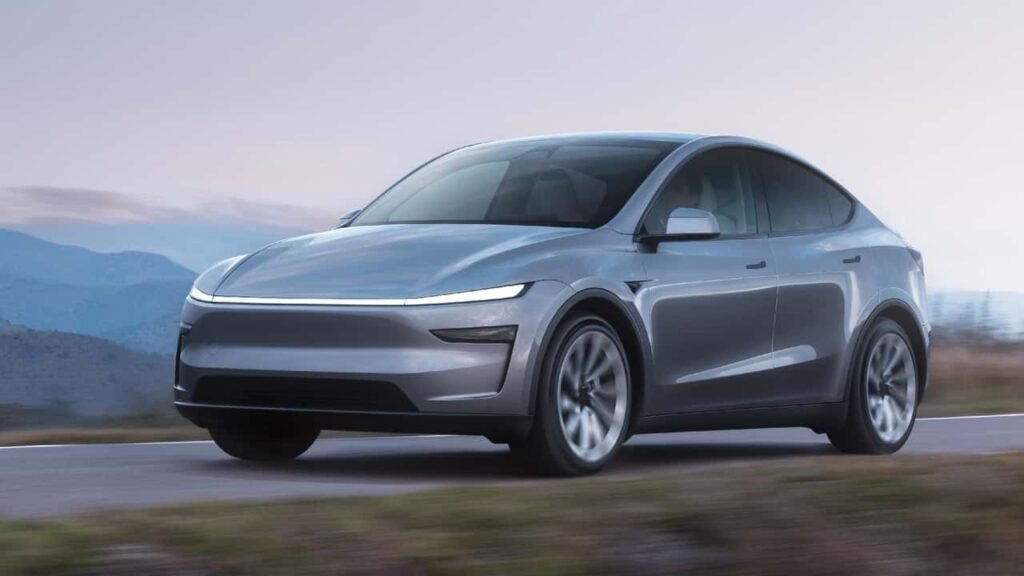
Several factors could fuel the journey toward Tesla $100 Trillion. First, Tesla’s expansion into new geographies is crucial. The company is building Gigafactories in places like China, Germany, and the US, which boost production capacity and reduce costs. Lowering the price of EVs through economies of scale makes them accessible to more consumers, driving sales volume. Additionally, advancements in battery technology, such as the 4680 cells, promise longer ranges and faster charging, giving Tesla an edge over competitors.
Another driver is Tesla’s software ecosystem. The over-the-air updates keep vehicles improving post-purchase, creating loyal customers and recurring revenue. Imagine a world where your car learns and adapts like a smartphone, that’s the future Musk is betting on for Tesla $100 Trillion. Furthermore, partnerships and acquisitions could accelerate growth. Tesla’s ventures into solar energy and insurance also diversify income streams, making the company more resilient. All these elements combined paint a picture of exponential growth, but they hinge on executing with precision and innovation.
Challenges on the Road to Tesla $100 Trillion

No path to greatness is without obstacles, and Musk’s Tesla $100 Trillion goal is no exception. Competition is fierce, with legacy automakers like Ford and GM ramping up their EV efforts, and new players like Rivian entering the fray. Tesla must maintain its technological lead, which requires constant R&D investment. Supply chain issues, such as shortages of rare earth materials for batteries, have already caused delays and could hinder scaling.
Regulatory environments pose another challenge. Different countries have varying rules on autonomous vehicles and data privacy, which could slow down Tesla’s global rollout of FSD. Economic factors, like inflation or recessions, affect consumer spending on high-end EVs. Musk has acknowledged these hurdles, stressing that enormous work is needed to navigate them. For Tesla to hit $100 Trillion, it must not only innovate but also build strong relationships with governments and suppliers to ensure smooth operations.
The Enormous Work Required: Musk’s Realistic Outlook
Musk’s phrase “enormous work” underscores the effort needed for Tesla $100 Trillion. This includes hiring top talent in AI, engineering, and manufacturing. Tesla’s workforce has grown rapidly, but retaining skilled employees in a competitive tech landscape is tough. Training programs and company culture play a big role here. Moreover, scaling production without compromising quality is a massive undertaking. Past issues with Model 3 ramp-up showed how challenging this can be, and future models like the Cybertruck will test Tesla’s capabilities further.
Investing in infrastructure is part of this enormous work. Building more charging stations through the Supercharger network is essential for widespread EV adoption. Tesla is also focusing on sustainability in its operations, like using recycled materials, to align with its mission. Musk often works long hours himself, setting an example for the team. This dedication is what could turn the Tesla $100 Trillion dream into reality, but it demands perseverance from everyone involved.
Tesla’s Role in the Broader Tech and Energy Landscape
Looking beyond cars, Tesla’s potential for $100 Trillion lies in its influence on the energy sector. With products like Solar Roof and energy storage, Tesla is positioning itself as a key player in the transition to clean energy. Imagine a future where homes, businesses, and even cities run on Tesla-powered grids. This could generate trillions in value. Musk’s vision integrates Tesla with his other ventures, like SpaceX and Neuralink, creating synergies that amplify growth.
In the AI realm, Tesla’s Dojo supercomputer is designed to train models for autonomous driving, which could have applications in other industries. This cross-pollination of technologies is a smart strategy for achieving Tesla $100 Trillion. However, it requires enormous work in R&D collaborations and ethical AI development to avoid pitfalls like safety concerns or public backlash.
Investor Perspectives on Tesla $100 Trillion
Investors are divided on Musk’s Tesla $100 Trillion prediction. Optimists point to Tesla’s track record of defying odds, from surviving near-bankruptcy to becoming profitable. They see the stock’s volatility as part of the growth story. Pessimists, however, worry about overvaluation and execution risks. Analysts often use discounted cash flow models to estimate future worth, factoring in revenue from EVs, energy, and robotics.
For everyday investors, understanding this means looking at long-term trends rather than short-term fluctuations. Diversifying portfolios while holding Tesla shares could be a strategy. Musk’s transparency on social media, often shared by outlets like Media Insider, helps keep the community informed. Ultimately, believing in Tesla $100 Trillion requires faith in Musk’s leadership and the team’s ability to deliver on enormous work.
Future Innovations That Could Propel Tesla Forward
To reach Tesla $100 Trillion, innovations must keep coming. The Robotaxi network, where autonomous Teslas provide ridesharing, could disrupt Uber and generate huge profits. Similarly, Optimus robots could handle factory work or household tasks, opening new markets. Battery breakthroughs, like solid-state tech, would make EVs even more efficient and affordable.
Sustainability initiatives, such as carbon capture integrations, align with global goals and attract eco-conscious investors. Musk’s focus on Mars colonization might seem unrelated, but it ties into Tesla’s battery tech for space applications. All these require enormous work in prototyping, testing, and market entry, but they hold the key to unlocking that massive valuation.
Is Tesla $100 Trillion Achievable?
In wrapping up, Elon Musk’s statement about Tesla $100 Trillion is a call to action as much as a prediction. It highlights the immense potential but also the enormous work ahead. Tesla has already transformed industries, and with continued innovation, this goal isn’t impossible. For fans and skeptics alike, watching Tesla’s journey will be fascinating. As reported by Media Insider, staying updated on these developments can help you make informed decisions. Whether Tesla reaches $100 Trillion or not, its impact on the world is undeniable.