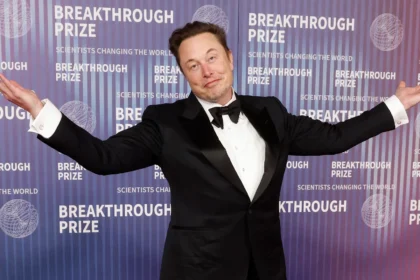


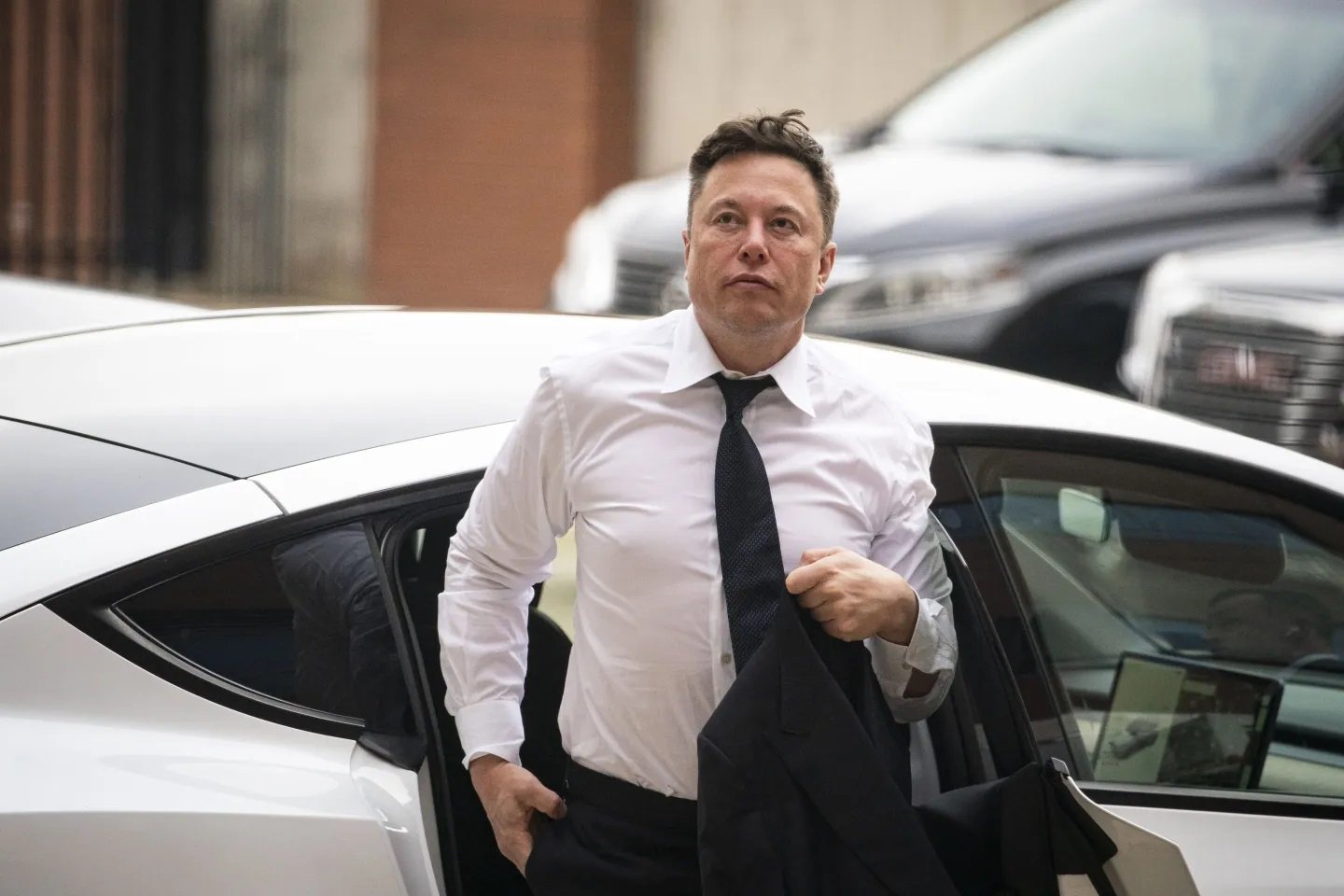
The Elon Musk OpenAI lawsuit has captured global attention, highlighting tensions in the world of artificial intelligence development. This legal dispute stems from Musk’s allegations that OpenAI, the company behind groundbreaking tools like ChatGPT, deviated from its original non-profit mission, potentially breaching agreements tied to his substantial investments. As the case heads to a jury trial in March, it raises profound questions about fiduciary duties, corporate transformations, and the ethics of AI commercialization.
In this comprehensive analysis, we’ll delve into the origins of the conflict, key evidence presented, the roles of major players like Microsoft, and potential outcomes, providing a balanced view of this high-stakes drama.
Background of Elon Musk OpenAI Lawsuit
Elon Musk’s involvement with OpenAI began in 2015, when he co-founded the organization alongside Sam Altman and Greg Brockman. Driven by a vision to advance AI for humanity’s benefit, Musk contributed significantly to its early funding. Court documents reveal that he invested approximately $38 million personally and also facilitated additional resources through donor-advised funds managed by entities such as Vanguard and Fidelity.
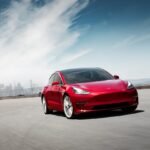
These contributions accounted for about 60% of OpenAI’s initial funding, including quarterly grants of $5 million and coverage of office rent from 2016 to 2020. Musk even gifted four Tesla vehicles to key team members, underscoring his commitment to the project’s philanthropic roots. The Elon Musk OpenAI lawsuit centers on claims that these investments were misused when OpenAI shifted toward a for-profit model, allegedly violating the foundational agreements that emphasized non-commercial, socially beneficial AI development.
A pivotal aspect of the Elon Musk OpenAI lawsuit involves the alleged breach of fiduciary duties. Musk argues that OpenAI’s leaders failed to act in the best interests of the non-profit entity he helped establish.
According to the suit, the company’s intellectual property and assets, built partly on Musk’s contributions, were repurposed to form a profit-driven subsidiary. This transformation, Musk claims, contradicted explicit promises that OpenAI would remain unprofitable and focused on the public good. The lawsuit extends to Microsoft, accusing the tech giant of enabling this shift through massive investments totaling $13 billion, which purportedly turned a charitable endeavor into a commercial powerhouse.
Expert witness Paul Vazan has quantified the potential damages, estimating that OpenAI could owe between $65.50 billion and $109.43 billion in ill-gotten gains. In comparison, Microsoft might face liabilities ranging from $13.30 billion to $25.06 billion. These figures highlight the enormous financial stakes in the Elon Musk OpenAI lawsuit.
The court’s decision to proceed to a jury trial marks a significant victory for Musk’s legal team. District Judge Yvonne Gonzalez in Oakland, California, determined that sufficient evidence exists to warrant further examination.
This ruling came after Musk’s fourth attempt to sue OpenAI, with previous efforts falling short. The trial, set for March, will task jurors with addressing core issues: whether fiduciary duties were violated regarding Musk’s funds, whether the founding contract was breached, whether promises of non-profit status were broken, and whether unfair business practices were employed against Musk.
These questions form the backbone of the Elon Musk OpenAI lawsuit, challenging the integrity of OpenAI’s evolution from a non-profit to a hybrid model that includes a for-profit arm designed to attract investors while channeling surpluses back to the original entity.
Compelling evidence has bolstered Musk’s position in the Elon Musk OpenAI lawsuit. His team has unearthed emails, private correspondences, and notably, entries from Greg Brockman’s personal diary. This diary, described as a “time bomb” by observers, contains candid admissions about the team’s internal deliberations.
For instance, Brockman pondered the allure of profitability, questioned commitments to non-profit status, and even acknowledged the moral implications of converting the organization without Musk’s involvement. The judge noted that while this evidence is ambiguous, potentially supporting either side depending on context, it provides enough grounds for a trial. Such materials paint a picture of internal conflicts and shifting priorities, adding layers of intrigue to the Elon Musk OpenAI lawsuit.
Musk’s choice of legal representation in the Elon Musk OpenAI lawsuit is symbolically charged. He enlisted Toberoff & Associates, a firm led by Marc Toberoff, renowned for its work in intellectual property disputes. Toberoff has a track record of advocating for creators’ rights, including successful cases against Marvel for comic artists, Victor Miller in the Friday the 13th franchise dispute, and victories over Time Warner (now Warner Bros. Discovery) on behalf of film authors. This selection suggests Musk views the case as a fight to reclaim his contributions to OpenAI’s intellectual foundation.
However, the firm’s history shows that most cases resolve through settlement rather than a full trial; only two of the listed victories went to final judgment, while others ended in out-of-court agreements. This pattern implies Musk might be open to negotiation, aiming for a favorable compromise rather than a protracted courtroom battle in the Elon Musk OpenAI lawsuit.
From Musk’s perspective, the narrative of the Elon Musk OpenAI lawsuit is one of betrayal. He portrays himself as a generous benefactor enchanted by Altman and Brockman’s vision of AI as a force for good. Promises of a non-profit structure were central, ensuring no financial incentives would compromise the mission.
Yet by 2017, discussions emerged about the need for more resources for AI advancement, sparking ideas of commercialization. Musk resisted, insisting on maintaining the charitable ethos. Unbeknownst to him, Brockman’s diary entries revealed ambitions for billions in profits and doubts about non-profit commitments. Musk departed OpenAI in 2018, citing conflicts with Tesla, but continued funding it briefly.
The 2019 announcement of a for-profit subsidiary, backed by Microsoft, solidified his sense of violation, prompting the Elon Musk OpenAI lawsuit as a means to address the alleged misuse of his philanthropic investments.
Conversely, OpenAI’s team offers a counter-narrative in the Elon Musk OpenAI lawsuit, asserting that Musk’s claims distort the facts. Altman and Brockman contend that Musk himself advocated a commercial pivot, proposing structures such as B or C corporations to sustain growth.
Emails cited by OpenAI show Musk seeking majority control, including a desire to be CEO and to hold significant board influence, such as 25% voting power on a 16-person board. They argue he failed to secure additional investors and was distracted by Tesla and SpaceX’s ambitions, including a $80 billion commitment to Mars colonization.
OpenAI emphasizes that Brockman’s diary quotes are decontextualized and reflect exploratory thoughts rather than deceitful plans. They maintain that the hybrid model preserves the non-profit core, with profits supporting the mission, and deny any breach of trust in the Elon Musk OpenAI lawsuit.
The roots of discord in the Elon Musk OpenAI lawsuit trace back to 2017-2018 tensions over control and funding. As AI demands escalated, all parties explored commercialization, but Musk’s insistence on dominance clashed with Altman and Brockman’s collaborative vision. His exit left OpenAI to forge ahead with Microsoft’s support, leading to explosive growth via ChatGPT.
Musk, now viewing this success as built on his foundational efforts, seeks redress. The lawsuit underscores broader themes: the challenges of scaling AI ethically, the blurred lines between philanthropy and profit, and how personal ambitions can fracture partnerships.
Looking ahead, the Elon Musk OpenAI lawsuit is unlikely to culminate in a dramatic verdict. Historical patterns suggest a settlement that compensates Musk for his $38 million investment, plus interest, without admitting liability. OpenAI has assured investors the case poses minimal risk, dismissing it as attention-seeking.
However, a sympathetic jury could favor Musk, given the judge’s approval to proceed. Factors like evidence quality and lawyer prowess will be decisive. Toberoff’s expertise in IP recovery could tip negotiations, but OpenAI’s robust defense, including contextual rebuttals, may force a middle ground. Ultimately, this dispute in the Elon Musk OpenAI lawsuit could reshape AI governance, emphasizing transparency in corporate evolutions and investor protections.
In conclusion, the Elon Musk OpenAI lawsuit exemplifies the complexities of innovation in high-tech fields. It serves as a cautionary tale about aligning visions in startups, the perils of ambiguous agreements, and the high costs of fractured trusts. As the trial approaches, stakeholders worldwide will watch closely, pondering how this resolution might influence the trajectory of AI development and corporate accountability.