


News Insider brings you this detailed and timely report on a serious health situation unfolding right now in the United States. A sharp rise in measles has health officials worried, especially with a big cluster on a college campus. The story starts in sunny Florida but reaches across the whole country. Here under we will discuss “Measles Cases at University in Florida Spike to Nearly 60 as U.S. Outbreaks Intensify”.
The Start of the Problem at Ave Maria University
In southwest Florida, near the town of Naples, Ave Maria University has become the center of attention. This private Catholic school now reports nearly 60 measles cases among students and staff since the semester began. One unvaccinated sophomore told reporters his illness started like a simple head cold. Soon he had a rash, sore throat, and cough. He tested positive for measles.
A clinic right across the street from campus treated both a student and a professor who had the virus. Interestingly, both of these people had received their measles shots earlier in life. The professor felt sick, but not as badly as she might have without vaccination. Doctors say this shows how the vaccine can make the illness milder even if it does not stop infection completely in every case.
The university quickly posted a statement on its website. Officials said their top priority is the health, safety, and well-being of every person on campus. They set up quarantine rules for anyone who might still be contagious. Free vaccination clinics run by the Florida Department of Health help students and staff get protected right away.
Why Measles Cases at University in Florida Spread So Fast
College life makes it easy for germs to travel. Students live close together in dorms, eat in the same cafeterias, and attend large classes or events. Measles spreads through the air when an infected person coughs or sneezes. It can stay in the air for up to two hours after the person leaves the room. One sick student can easily pass it to dozens of others before anyone knows they are ill.
Health experts point out that many young adults on campus may have missed their second dose of the MMR vaccine as children or never received it at all. Some families choose not to vaccinate for personal or religious reasons. When these unvaccinated people gather in one place, the virus finds perfect conditions to grow. That is exactly what happened with the measles cases at the university in Florida.
National Picture: Outbreaks Growing Everywhere
The situation in Florida is not alone. Across the United States, more than 1,000 confirmed measles cases have appeared so far in 2026. That number is already about half of the total for all of 2025. Three years ago, at this same time in 2023, the country had only two cases. Now, health departments in 21 different states are dealing with active outbreaks.
South Carolina currently has the biggest problem, with more than 900 cases reported since last September. Other states, including parts of the Midwest and West Coast, also see rising numbers. The Centers for Disease Control and Prevention (CDC) warns that America could lose its measles-elimination status for the first time in more than 20 years if things do not improve quickly.
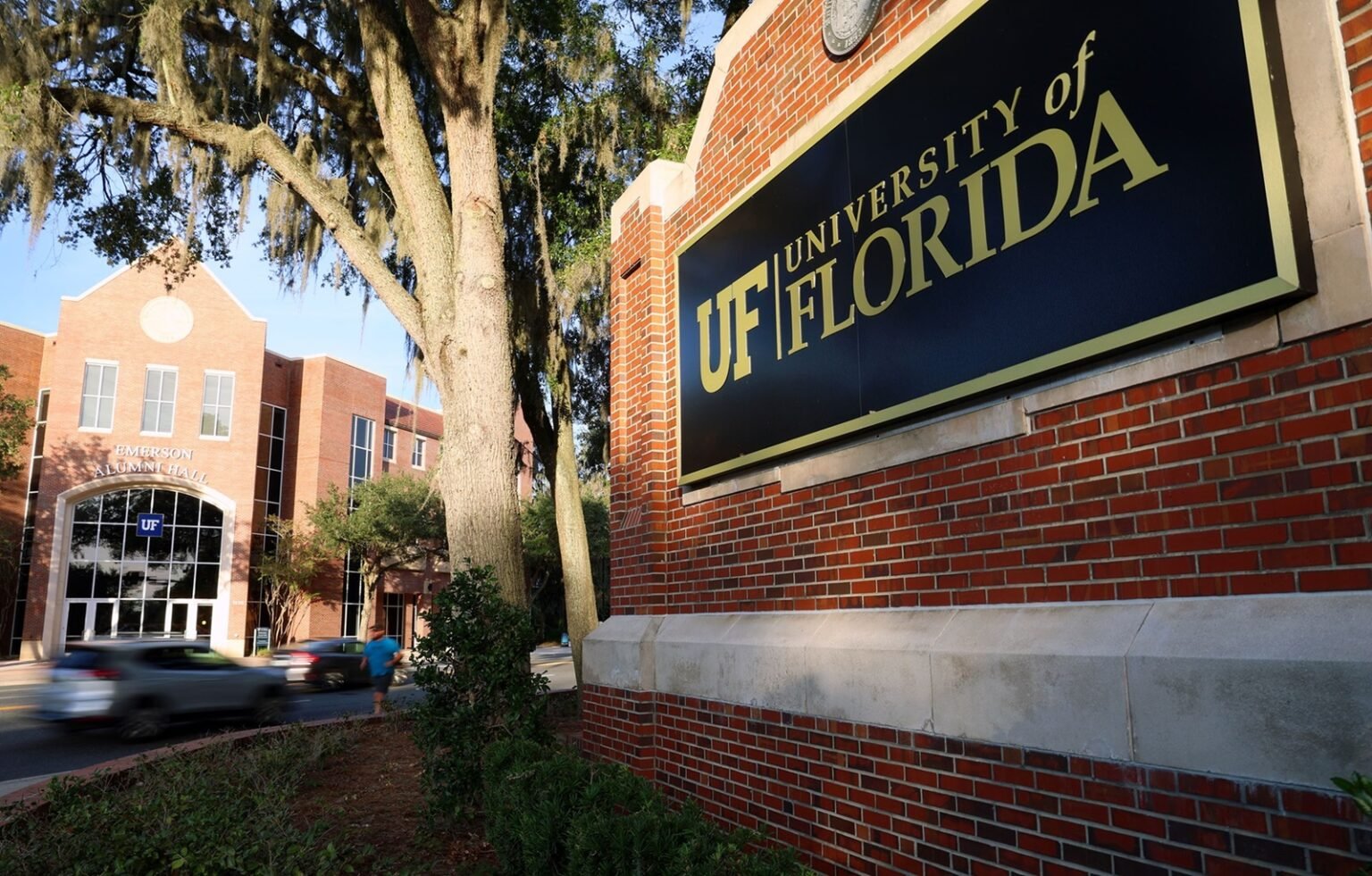
The measles cases at the university in Florida highlight a larger trend. Campuses in other states, such as Clemson University and Anderson University in South Carolina, had to quarantine dozens of students after single cases appeared. The University of Wisconsin-Madison warned about 4,000 people of possible exposure. Even the University of Florida in Gainesville told students that two classes may have been exposed to the virus.
What Measles Looks Like: Easy-to-Spot Symptoms
Measles usually shows up 7 to 14 days after contact with the virus. At first, it feels like a bad cold or flu. People get a high fever that can climb above 104 degrees Fahrenheit. They cough a lot, have a runny nose, and their eyes turn red and watery.
After two or three days, tiny white spots called Koplik spots may appear inside the mouth. Then, three to five days after the first symptoms, the famous rash begins. It starts as flat red spots on the face near the hairline and spreads down to the neck, chest, arms, legs, and feet. The spots can join together, and the fever often spikes again when the rash appears.
Most healthy adults recover in about a week or two. But the illness is much more dangerous for babies, young children, pregnant women, and anyone with a weak immune system. Doctors say one in every five people who catch measles ends up in the hospital.
Serious Risks and Complications
Measles is not just a rash. It can lead to pneumonia, which is a serious lung infection. In some cases, it causes encephalitis, or swelling of the brain. This can result in seizures, brain damage, or even death, although deaths are rare in the United States thanks to good medical care.
Pregnant women who get measles face a higher chance of miscarriage or early birth. Young children under five are most likely to suffer the worst effects. These dangers are why public health leaders keep stressing the importance of stopping the spread before it reaches more vulnerable groups.
The measles cases at the university in Florida remind everyone that even vaccinated people can sometimes catch a milder version if they are around a lot of the virus. However, unvaccinated individuals face the full force of the disease.
The Power of Vaccination: Best Defense Available
The MMR vaccine remains the single best way to protect against measles. The CDC recommends children receive the first dose between 12 and 15 months of age and a second dose between 4 and 6 years old. Two doses give about 97 percent protection.
College students who never received the shots or are unsure should check their records and get vaccinated immediately. Many universities now require proof of MMR vaccination before allowing enrollment. Ave Maria University and other schools are offering free or low-cost shots during the current outbreak.
FDA Commissioner Dr. Marty Makary recently said, “I think it’s a good reminder that kids should get the measles shot.” He listed measles as one of the core essential vaccines that every child needs. Even adults who were vaccinated long ago may need a booster in special situations, such as during a big outbreak.
Ralph Abraham, principal deputy director at the CDC, noted that international travel and communities with low vaccination rates help keep the virus moving. He said people have the personal freedom to choose, but those choices can affect the wider community.
How Schools and Health Departments Are Responding
At Ave Maria University, leaders work closely with the Florida Department of Health. They monitor every possible contact, quarantine sick students, and clean common areas extra carefully. The school now follows official state numbers for future updates instead of posting its own tallies.
Across the country, health departments trace contacts, offer free vaccines, and educate the public through social media and campus emails. Some universities send alerts to thousands of students when even one case appears. The goal is to stop the chain of infection before it grows larger.
What You Can Do to Stay Safe
Everyone can help slow the spread of measles. First, make sure you and your family are fully vaccinated. If you are not sure about your shot records, talk to your doctor or visit a local clinic.
Second, watch for symptoms if you have been around someone who is sick. Stay home from school or work if you feel feverish or develop a rash. Call your doctor before going to the office so they can prepare and avoid spreading the virus in the waiting room.
Third, practice good hygiene. Wash your hands often, cover coughs and sneezes with your elbow, and avoid touching your face. These simple steps work well against many respiratory illnesses, including measles.
Parents of young children should follow the regular vaccination schedule and not delay shots. College students planning travel abroad should get checked before leaving the country, because measles is still common in many parts of the world.
Looking Ahead: Stopping the Spread Together
The measles cases at the university in Florida have shown how quickly this virus can move in a close-knit group. Yet they also prove that quick action, clear communication, and strong vaccination programs can limit the damage.
Public health experts hope the current attention will encourage more people to protect themselves and their communities. With continued effort from schools, doctors, and families, the United States can keep measles under control and protect the hard-won elimination status it has held for more than two decades.
News Insider will keep following this story and bring you the latest updates as new information becomes available. If you have questions about measles or need help finding a vaccine clinic near you, talk to your local health department or visit the CDC website for trusted facts.
Stay informed, stay vaccinated, and stay healthy. This is the best way to make sure outbreaks like the one involving measles cases at a university in Florida do not become even bigger problems in the months ahead. Sources