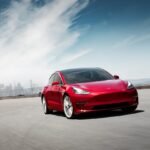


The Electric Vehicle (EV) market in the UK is undergoing significant changes, and the latest figures show a tough time for one of the industry’s biggest names. In January 2026, Tesla UK sales plunged 57%, from 1,505 vehicles the year before to just 647. This sharp fall comes as Chinese rival BYD (Build Your Dreams) pushes ahead, selling 1,326 battery-electric vehicles, which is up 21% from last year.
At Mid Monday Automotive, we keep a close eye on these shifts in the automotive world, and this story highlights how competition is heating up. While the overall UK car market dipped by 4.6% to 133,571 registrations, the EV segment fell by 6.4%, but Tesla’s drop was much steeper than the average. This Tesla UK sales plunge raises questions about what is causing it and what it means for the future of EVs in Britain.
The Numbers Behind the Tesla UK Sales Plunge
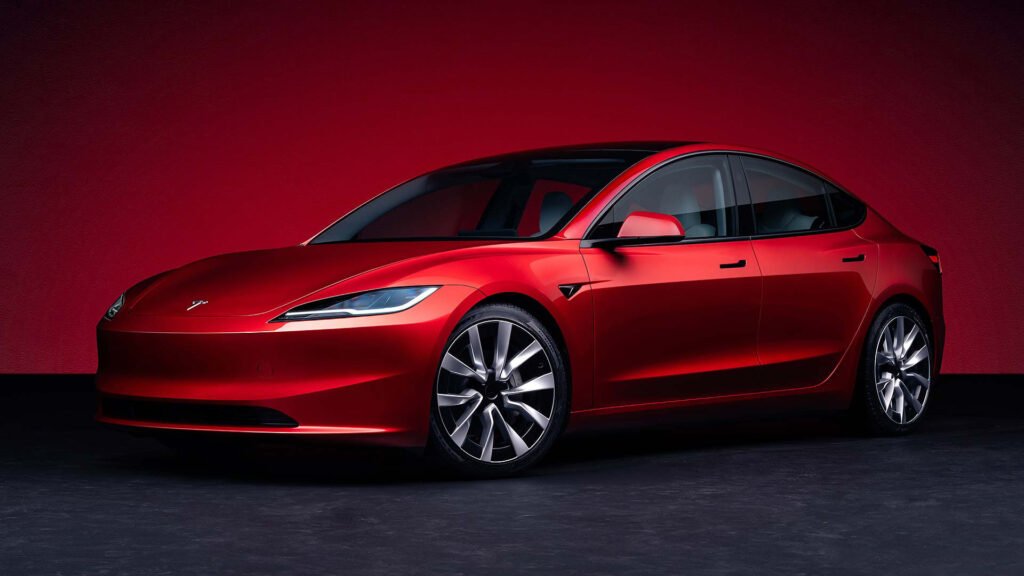
Looking more closely at the data, the Tesla UK sales plunge in January 2026 stands out as the largest drop among major car makers. Tesla, once a leader in the UK EV space, now trails behind not just BYD but also Ford, which more than doubled its sales to 2,271 units. Ford’s strong performance shows that some brands are growing even in a tough market. For Tesla, the 647 vehicles sold represent a big loss in market share.
In contrast, BYD’s 1,326 sales show how quickly the company is gaining ground. Other Chinese brands like MG are also adding pressure, making the UK a battleground for EV makers. This Tesla UK sales plunge is part of a wider trend across Europe, where Tesla’s registrations in 10 markets fell 31.6% to 4,907 vehicles. Countries like Norway saw an 88% drop, the Netherlands 66.9%, and the UK 57%. But in places like Italy and Spain, Tesla saw growth thanks to new EV incentives.
These figures come from reliable sources like New Automotive and the Society of Motor Manufacturers and Traders. They paint a clear picture: while the UK BEV market is cooling a bit, Tesla is feeling the chill more than others. With total UK car registrations down, every sale counts more, and Tesla’s share is shrinking fast. This Tesla UK sales plunge could signal a turning point, with buyers looking beyond familiar names for better options.
Reasons for Tesla’s Decline in the UK
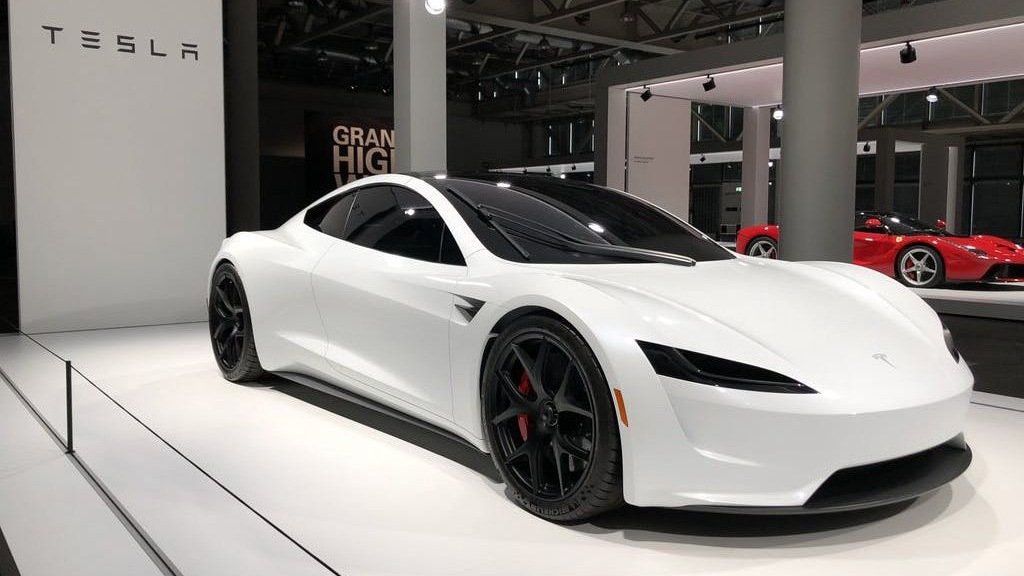
Why is there such a big drop in Tesla UK sales? Several factors are at play. First, Tesla’s lineup is getting older. The Model Y, a top seller for years, is now over four years old, and buyers want fresh designs and features. Tesla tried to boost sales by launching cheaper versions of the Model Y and Model 3, but it hasn’t been enough to turn things around.
Competition from Chinese brands is intense. Companies like BYD and MG offer affordable, high-quality EVs that appeal to cost-conscious UK drivers. These rivals are expanding fast, with better supply chains and more models to choose from.
Another big reason is brand image. Elon Musk’s political views and support for certain figures have turned off some buyers in Europe, including the UK. Many EV buyers care about the environment and progressive values, and Musk’s actions have hurt Tesla’s appeal. Changes in government incentives also play a role. Some European countries have cut back on EV subsidies, making pricier models like Tesla’s less attractive.
In the UK, while incentives remain, the market is shifting toward budget options. A soft overall auto market, with fewer people buying cars due to economic worries, adds to the pressure. This mix has led to a plunge in Tesla UK sales, and experts say it might get worse if Tesla doesn’t refresh its products soon.
BYD’s Rise in the UK EV Market
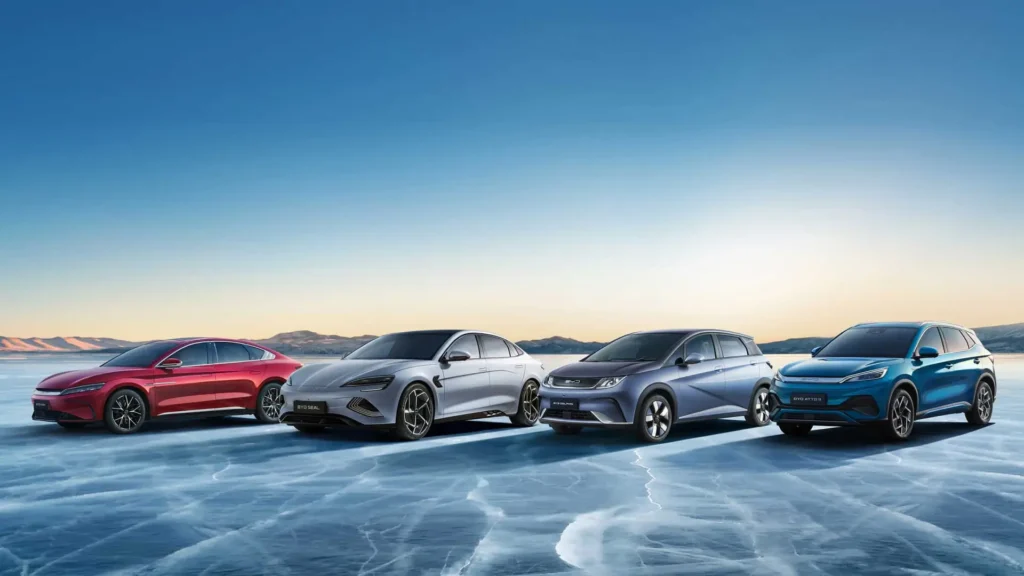
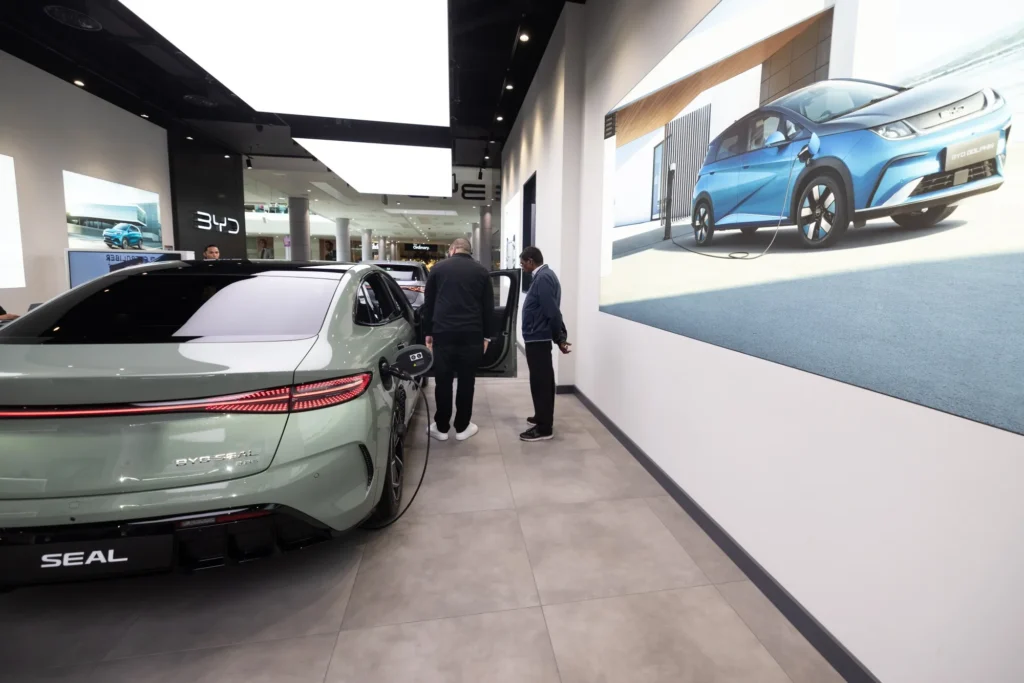
While Tesla struggles, BYD is racing ahead. The Chinese giant sold 1,326 BEVs in January 2026, nearly double Tesla’s number and up 21% from the year before. BYD’s success comes from offering a wide range of affordable EVs with good range and features. Models like the BYD Atto 3 and Seal are popular in the UK for their value.
BYD has been expanding globally, and in Europe, it overtook Tesla in markets such as Germany and the UK in 2025. Last year, BYD sold 51,422 vehicles in the UK, compared to Tesla’s 45,513. This growth shows how BYD is filling the gap left by Tesla’s slowdown.
BYD benefits from strong production in China and lower costs, allowing it to price competitively. In the UK, buyers are drawn to BYD’s reliability and innovation, such as its advanced battery technology. Unlike Tesla, BYD hasn’t faced the same brand backlash. Instead, it’s building a positive image as a fresh alternative.
This rise contrasts sharply with Tesla UK’s sales plunge, underscoring the growing diversity of the EV market. Other brands like Ford are also gaining ground, with its Mustang Mach-E and other models appealing to traditional car buyers switching to EVs.
Broader Trends in the UK EV Market
The Tesla UK sales plunge is occurring amid slower EV growth in the UK. Battery-electric vehicle sales fell 6.4% in January, even as plug-in hybrids and other types held steady. Total car sales dropped 4.6%, suggesting that economic factors such as high interest rates and cost-of-living pressures are prompting people to delay big purchases. Yet EVs still account for a growing share of the market, with government targets calling for more zero-emission vehicles by 2035.
Chinese brands are leading the charge in this shift. BYD, MG, and others are bringing affordable options to the market, making EVs more accessible to more people. Traditional makers like Ford and Volkswagen are catching up with new models. For Tesla, this means more competition in a market that’s not expanding fast enough. Across Europe, similar trends are seen, with Tesla’s sales potentially dipping below 200,000 in 2026 from about 240,000 in 2025.
Incentive changes, like Norway ending most EV perks, have hit Tesla hard. In the UK, buyers have over 60 BEV models to choose from, many of which are not available in the US, reducing Tesla’s edge.
Impact on Tesla’s Future and Outlook

What does this Tesla UK sales plunge mean for the company’s future? Experts warn it could lead to even lower sales if Tesla doesn’t act fast. A refreshed Model Y or new affordable models might help, but launch delays have hurt. Tesla’s focus on autonomy and robotaxis is exciting, but right now, buyers want reliable, updated EVs. The brand damage from Musk’s activities could take time to fix, especially in eco-conscious Europe.
On the bright side, Tesla still has strong tech, such as its Supercharger network and software updates. If it can innovate and price better, it might rebound. In the UK market, this plunge opens the door for rivals like BYD to gain market share. At Mid Monday Automotive, we see this as a sign of a maturing EV sector, where no single brand can rest on past success. Watching February’s data will be key to seeing if the Tesla UK sales plunge continues or if there’s a turnaround.
Tesla Model Y Sales Decline
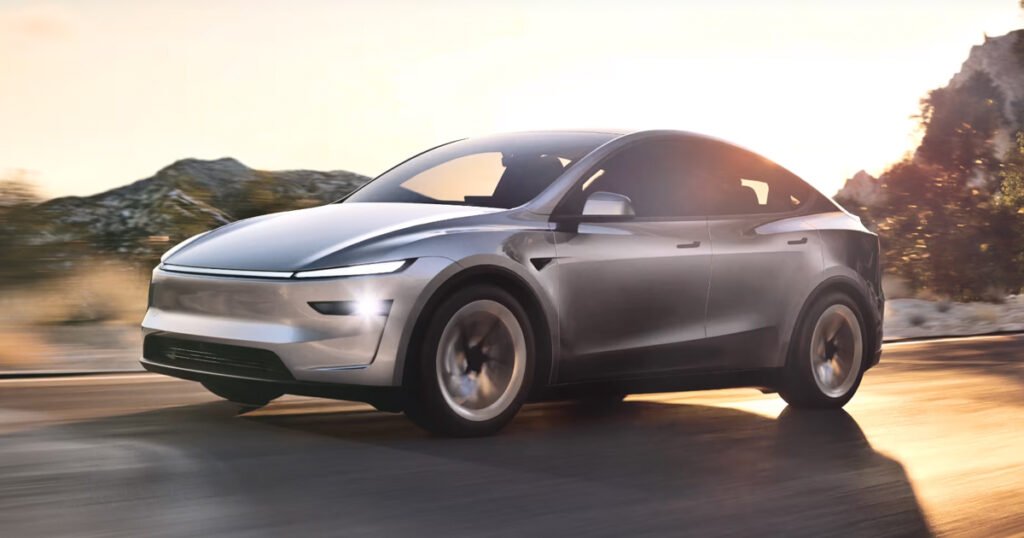
Tesla UK Sales Plunge 57% In January 2026 is a wake-up call for the EV giant. As BYD races ahead with strong growth, the market shows that competition, new products, and brand trust matter a lot. UK buyers have more choices than ever, and economic factors are making decisions tougher. While Tesla faces challenges from aging models and external pressures, the overall shift to EVs is positive for the environment.
Stay tuned to Automotive Insider for more updates on these dynamic trends in the automotive world. This story reminds us that in the fast-paced EV race, staying ahead means constant evolution.