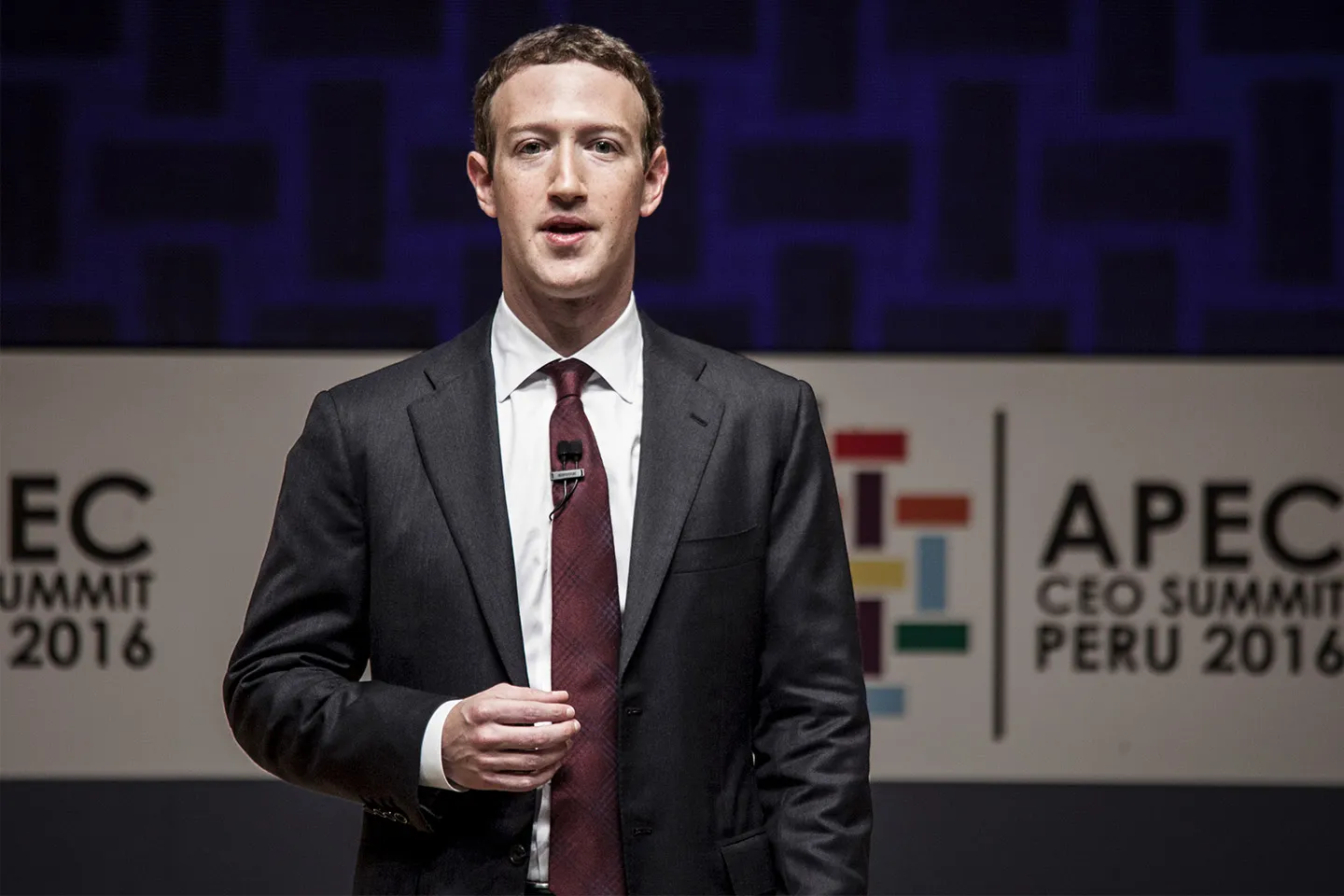

Mark Zuckerberg is one of the most influential technology entrepreneurs of the modern era, best known as the cofounder of Facebook and the chief executive of Meta Platforms. His journey from a Harvard University student to a global billionaire reflects both the extraordinary power of social media and the intense scrutiny that comes with controlling platforms used by billions of people.
Mark Zuckerberg biography
Mark Zuckerberg was born on May 14, 1984, in White Plains, New York, and grew up in nearby Dobbs Ferry. He showed an early interest in computers and programming, creating software projects while still a teenager. That curiosity later led him to Harvard University, where he studied psychology and computer science before leaving to build Facebook full time.
In 2004, Mark Zuckerberg launched Facebook from his Harvard dormitory with fellow students. The platform began as a campus networking site that helped students connect through profiles, photographs, and shared interests. Its rapid growth soon expanded beyond Harvard to other universities and eventually to the general public, changing how people communicate online.
Mark Zuckerberg dropped out of Harvard and moved to Silicon Valley to develop the company. That decision became one of the most famous startup stories in technology history. Facebook grew into a global social network, and in 2012 the company went public, turning Mark Zuckerberg into one of the youngest self-made billionaires in the world.
Facebook reality and Meta
Facebook is no longer simply a social media website. In 2021, Mark Zuckerberg renamed the parent company Meta Platforms to signal a broader ambition beyond Facebook, Instagram, and WhatsApp. The company initially emphasized the metaverse, virtual reality, and immersive digital experiences, though its focus has increasingly shifted toward artificial intelligence.
The reality behind Facebook is more complicated than its early promise of connection. The platform transformed advertising, political communication, small business marketing, and personal relationships. At the same time, Facebook and Instagram have faced criticism over privacy, misinformation, addictive design, child safety, and the influence of algorithms on public debate. Mark Zuckerberg has repeatedly defended the company while acknowledging that social media creates real risks that require stronger safeguards.
For content writers, marketers, and business owners, Facebook remains important because it combines massive reach with highly targeted advertising. Yet the platform rewards clear, useful, and authentic content rather than clickbait. The lesson from Facebook’s evolution is that attention is valuable, but trust is what keeps audiences returning.
Instagram and the Meta empire
Instagram became part of Facebook in 2012, shortly before the company’s initial public offering. Under Meta, Instagram grew from a photo-sharing app into a major platform for creators, commerce, short video, and brand building. Alongside Facebook and WhatsApp, it gives Meta an unusually large share of global digital attention.
Mark Zuckerberg’s control of Instagram has also made him a central figure in antitrust debates. Regulators have argued that Meta acquired Instagram and WhatsApp to reduce competition and protect its dominance in social media. Meta rejects that characterization, but the case shows how seriously governments now view the market power of large technology companies.
Legal cases and public scrutiny
Mark Zuckerberg has faced more public accountability than most technology executives. He has testified before the United States Congress multiple times on subjects including privacy, misinformation, child safety, and political influence. He has also appeared in court in intellectual property and regulatory matters connected to Meta’s business decisions.
The most significant current case is the Federal Trade Commission’s antitrust lawsuit against Meta. The FTC argues that the company pursued a buy-or-bury strategy through its acquisitions of Instagram and WhatsApp. The outcome could shape the future structure of Meta and influence how regulators treat major technology platforms worldwide.
These cases matter because they are not only about Mark Zuckerberg personally. They raise a larger question about whether a small number of companies should control the digital spaces where people talk, shop, learn, and form opinions.
Mark Zuckerberg net worth
Mark Zuckerberg’s net worth changes daily because most of his wealth is tied to Meta stock. According to Forbes Real Time Billionaires data, his estimated net worth was about 252.6 billion dollars as of October 15, 2026, placing him among the richest people in the world.
That figure can move by billions of dollars in a single trading session. For example, Meta shares surged in September 2026, adding roughly 25 billion dollars to Mark Zuckerberg’s estimated fortune in one day. Conversely, market concerns about artificial intelligence spending and broader technology selloffs have also reduced his wealth sharply at times.
Mark Zuckerberg owns roughly 13 percent of Meta’s stock, which explains why his personal wealth is so closely connected to investor confidence in the company. His fortune is therefore not simply cash in a bank account. It represents ownership in a business whose value depends on advertising revenue, user growth, artificial intelligence progress, regulatory outcomes, and global market conditions.
Real-time billionaires ranking.
On the Forbes Real Time Billionaires list, Mark Zuckerberg has moved between the fourth and sixth positions during 2026 depending on Meta’s share price. Recent rankings placed him around fifth or sixth globally, with a fortune near 252 billion dollars.
This volatility is a defining feature of modern billionaire wealth. Unlike traditional industrial fortunes, technology wealth is highly sensitive to investor expectations. A strong earnings report, a successful AI product, or confidence in future growth can lift Mark Zuckerberg’s ranking overnight. A regulatory setback or market downturn can do the opposite.
What Mark Zuckerberg teaches entrepreneurs
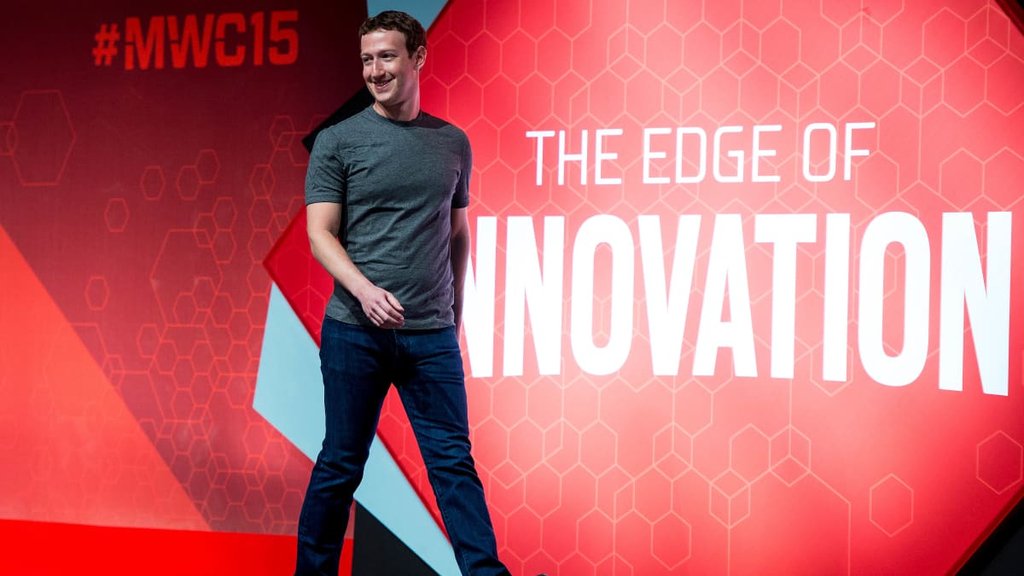
Mark Zuckerberg’s career offers practical lessons for anyone building a business today. He identified a simple human need, connection, and built a product around it before expanding into advertising, communication, and artificial intelligence. His success came from speed, product focus, and a willingness to take major risks.
But his story also carries a warning. Growth without trust creates long-term problems. Privacy controversies, safety concerns, and antitrust cases show that a company cannot rely only on scale. Modern entrepreneurs should build transparent systems, protect user data, communicate honestly, and prepare for regulation from the beginning.
Mark Zuckerberg remains a defining figure in digital culture. Whether people view him as an innovator, a controversial executive, or both, his impact on Facebook, Instagram, Meta, and the wider internet is undeniable. His net worth may rise and fall with the market, but his influence on how the world connects online is already permanent.