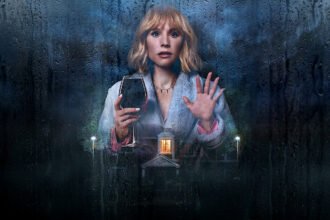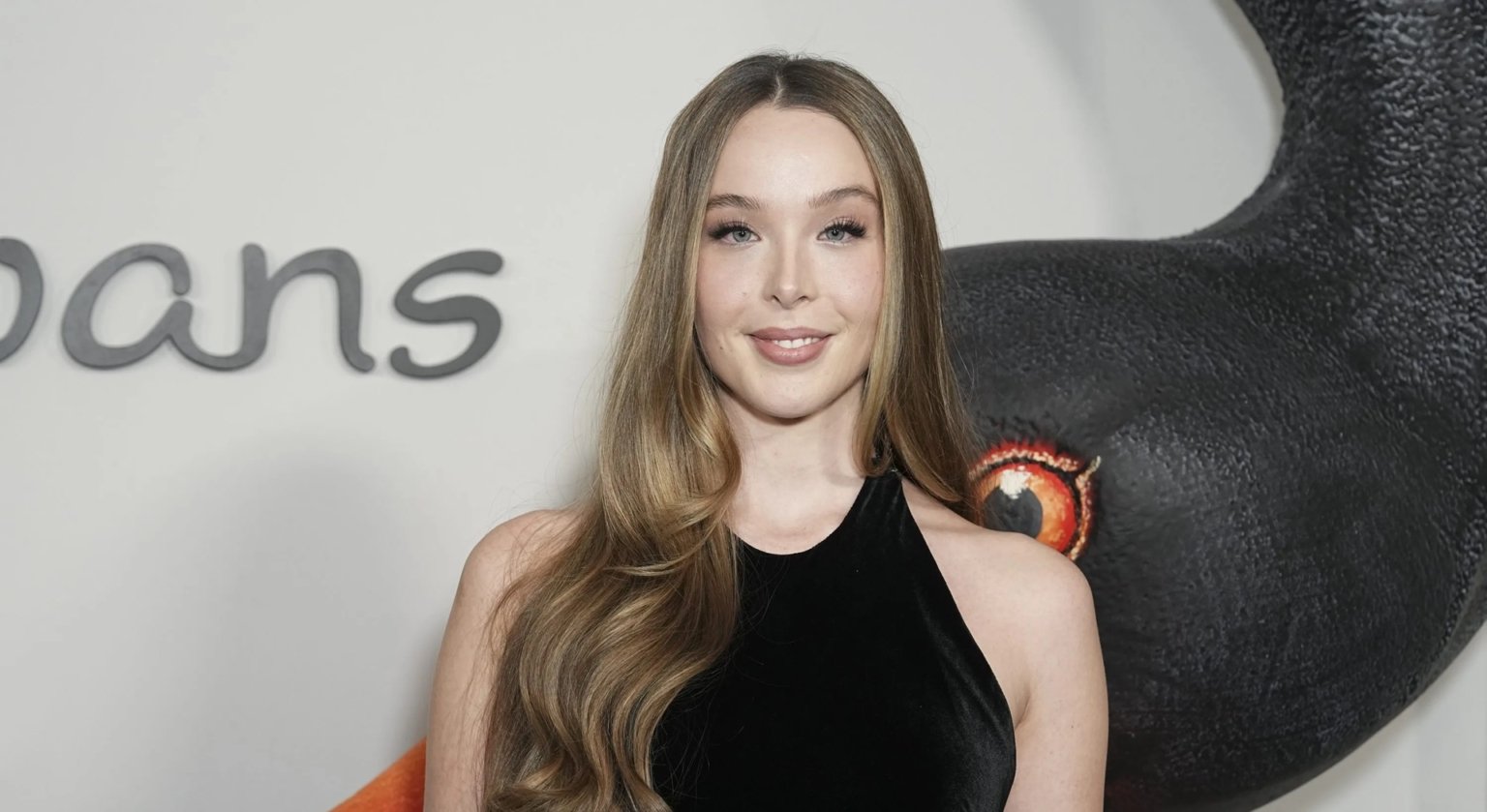

Ella Beatty does not watch violent movies. She avoids gory TikToks. She calls herself a scaredy-cat. Yet she now leads Monster: The Lizzie Borden Story as the first woman to headline Ryan Murphy’s true crime anthology. This contrast between her real-life sensibilities and her on-screen ferocity is what makes her performance in Monster: The Lizzie Borden Story so compelling.

Beatty admits she is incredibly squeamish in person. She gets upset when she sees people hurt. That visceral reaction made her wonder how she would handle the murder scenes required by Monster: The Lizzie Borden Story. The answer came through trust in her collaborators. She credits the makeup artists, costume designers, stunt coordinators, and body doubles for creating those brutal moments with such care that she felt safe stepping into them.
Monster: The Lizzie Borden Story reimagines the infamous 1893 case through a fictionalized lens that prioritizes emotional truth over strict historical accuracy. Beatty approached Lizzie as a creature of her time constrained sexually spiritually and emotionally by Victorian expectations. She spent considerable time considering what it meant to be any young woman in that era, not just Lizzie herself. This broader historical empathy informs every scene in Monster: The Lizzie Borden Story.
The series asks why women kill. Beatty says Ryan Murphy and Ian Brennan wanted to explore what brings a woman to the point of violence. For her, the project became an exercise in empathy, an attempt to understand complicated brains and deep trauma. That mindset helped her navigate the most challenging days on the set of Monster: The Lizzie Borden Story when she had to portray acts that would normally make her look away.
Beatty is joined by Monster alumni Charlie Hunnam as Lizzie’s father, Andrew Borden, and Vicky Krieps as Bridget, the live-in maid who offers Lizzie a glimpse of womanhood beyond patriarchal limits. Their dynamic gives Monster: The Lizzie Borden Story its emotional core, showing how isolation and repression can curdle into rage. Beatty describes Bridget as a window into another way of being a woman in that world.
Despite her fear of blood, Beatty lights up the screen with an axe in hand. The show leans into the mythic proportions of the Lizzie Borden legend, opening with the nursery rhyme everyone knows before diving into a more nuanced portrait. Beatty sees that choice as a nod to our cultural imagination of the crime rather than a literal depiction. It sets the tone for Monster: The Lizzie Borden Story as both a period drama and a meditation on how stories of female violence endure.
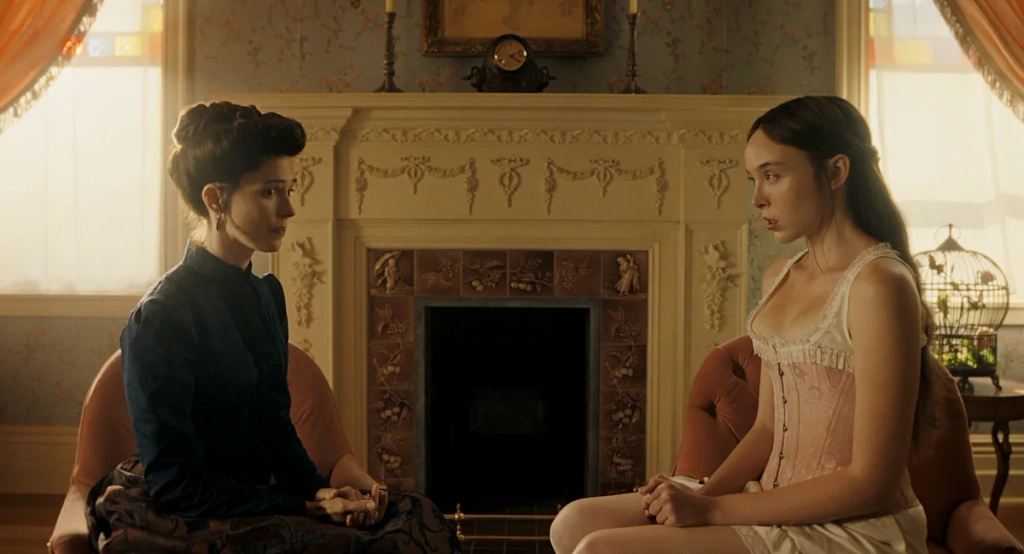
Beatty auditioned for the role like everyone else despite being the daughter of Annette Bening and Warren Beatty. She felt a tremendous responsibility to the real person, to the script, and to her own imagination as an actress. That sense of duty shows in Monster: The Lizzie Borden Story, where Lizzie is neither monster nor martyr but a young woman pushed to an extreme by a cruel household and a society that offered her no outlet.
For viewers who know Lizzie Borden only from the rhyme Monster: The Lizzie Borden Story offers an introduction and an interpretation. The case remains disputed with many conflicting theories about what happened and who Lizzie really was. Beatty found that ambiguity is a rich entry point for her performance in Monster. The Lizzie Borden Story allows her to explore the character Ryan and Ian created while drawing on source material about the historical figure.
The result is a performance that feels both intimate and mythic. Beatty charts Lizzie’s transformation day by day, mapping the web of changes that lead from repression to explosion. That careful character work gives Monster: The Lizzie Borden Story its psychological depth, turning a sensational true crime tale into a study of confinement and release.
Monster: The Lizzie Borden Story also marks a franchise first, with Beatty as the anthology’s inaugural female lead. Her casting signals a shift in the series focus toward the reasons women kill rather than simply recounting notorious cases. Beatty’s own discomfort with violence makes her portrayal of all the more striking in Monster: The Lizzie Borden Story because she channels fear into fury without losing the character’s humanity.
In interviews Beatty emphasizes that viewers will draw their own conclusions from the Monster: The Lizzie Borden Story. She does not tell audiences what to think about Lizzie’s guilt or innocence. Instead, she invites them to sit with the discomfort of a complicated person whose actions cannot be easily explained. That openness is what makes Monster The Lizzie Borden Story resonate beyond true crime fandom.
Beatty’s performance in Monster: The Lizzie Borden Story proves that empathy can coexist with horror. She does not ask us to forgive Lizzie. She asks us to understand the conditions that produced her. That distinction elevates Monster The Lizzie Borden Story above standard true crime fare and cements Beatty as a bold new voice in the genre.
Monster: The Lizzie Borden Story is now streaming on Netflix with all eight episodes available. For anyone curious about how a self-described scaredy cat became the face of the anthology’s most violent season yet, Monster The Lizzie Borden story offers a revealing answer. Beatty’s journey from squeamish viewer to axe-wielding lead is the story behind the story of Monster: The Lizzie Borden Story.