
Article Highlights
- Seven distinct Tokyo neighborhoods reviewed specifically through a solo travel lens
- Practical solo travel tips covering transport, dining, and connectivity
- Honest pros and cons for solo travelers weighing where to go first
- Real experience-based insights from firsthand exploration, not generic listings
- A dedicated FAQ section answering the most common solo travel questions about Tokyo
Tokyo is one of the easiest and most rewarding cities in the world for alone travel. It is safe, efficient, endlessly walkable, and full of small moments that feel made for a traveler exploring on their own terms. I have wandered this city alone more than once, and every trip taught me something new about what makes solo travel here so special.
If you are wondering where to travel solo and want a destination that rewards curiosity without overwhelming you, Tokyo deserves a serious look. This guide breaks down seven neighborhoods and experiences that work beautifully for alone travel, along with honest solo travel tips drawn from real experience navigating the city alone.
- Why Tokyo Works So Well for Solo Travel
- 1. Shinjuku for First-Time Solo Travel
- 2. Yanaka for a Quieter Side of Solo Travel
- 3. Shibuya for Social Solo Travel
- 4. Asakusa for Cultural Solo Travel
- 5. Kichijoji for Local Style Solo Travel
- 6. Tsukiji Outer Market for Food-Focused Solo Travel
- 7. Odaiba for Reflective Solo Travel
- Solo Travel Tips for Getting Around Tokyo
- Pros and Cons of Solo Travel in Tokyo
- A Note From Travel Insider Experience
- Frequently Asked Questions
- My personal Thoughts
Why Tokyo Works So Well for Solo Travel
Before getting into the list, it helps to understand why Tokyo consistently ranks as a top choice for solo travel. Public transport is punctual and clearly signed in English. Crime rates are low compared to most major cities. And there is a strong culture of quiet independence, meaning solo diners, solo shoppers, and solo sightseers never feel out of place.
This combination makes solo travel in Tokyo far less stressful than in many other big cities. You can plan a loose itinerary, change your mind halfway through the day, and still end up somewhere memorable.
1. Shinjuku for First-Time Solo Travel
Shinjuku is often where travelers land first, and for good reason. The area blends towering skyscrapers, neon streets, quiet shrines, and one of the busiest train stations on earth into a single walkable district.
Golden Gai, a cluster of tiny bars tucked into narrow alleys, is a favorite for alone travel because many bars seat only six or eight people. You end up talking with strangers simply because there is nowhere else to sit. Shinjuku Gyoen, a large park nearby, offers a calmer contrast if the crowds start to feel like too much.
Expert tip: Visit the Tokyo Metropolitan Government Building observation deck in the early evening. It is free, rarely crowded, and gives you a panoramic view of the city without needing a reservation.
Pros of Shinjuku for travel include easy transport connections and endless food options at any hour. The downside is that the entertainment district can feel loud and overstimulating if you are looking for a quiet first night.
2. Yanaka for a Quieter Side of Solo Travel
Not every part of travel needs to be fast-paced. Yanaka is one of the few Tokyo neighborhoods that survived both the 1923 earthquake and World War Two bombings largely intact, so the streets still carry an old town character rarely found elsewhere in the city.
Wandering Yanaka alone feels almost meditative. Narrow lanes lead past small temples, family-run shops, and a cemetery that doubles as a peaceful walking path. This is where solo travel slows down and becomes about noticing details rather than checking off landmarks.
If you are someone who finds crowded tourist spots draining, Yanaka is one of the best answers to the question of where to travel solo in Tokyo when you need a breather.
3. Shibuya for Social Solo Travel
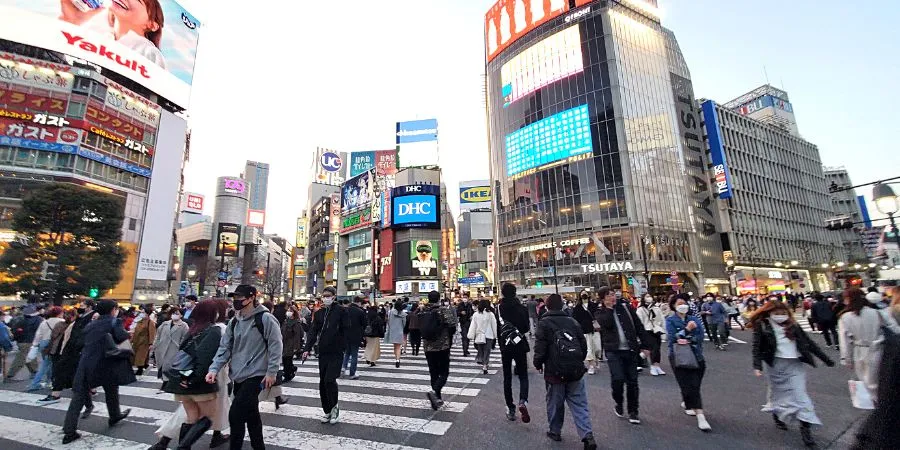
Shibuya is famous for its scramble crossing, but the real reason it works for solo travel is the sheer number of casual, low-pressure social spaces. Standing bars, ramen counters, and rooftop lounges are built around quick, easy interactions.
Many alone travelers describe Shibuya as the place where solo travel starts feeling social again after a few quiet days. You can sit at a ramen counter, strike up a short conversation with the person next to you, and move on without any obligation.
Practical tip: Try Nonbei Yokocho, a small alley of bars near Shibuya Station that survived redevelopment. It is far less touristy than the main crossing area and a genuinely good spot for solo travel evenings.
4. Asakusa for Cultural Solo Travel
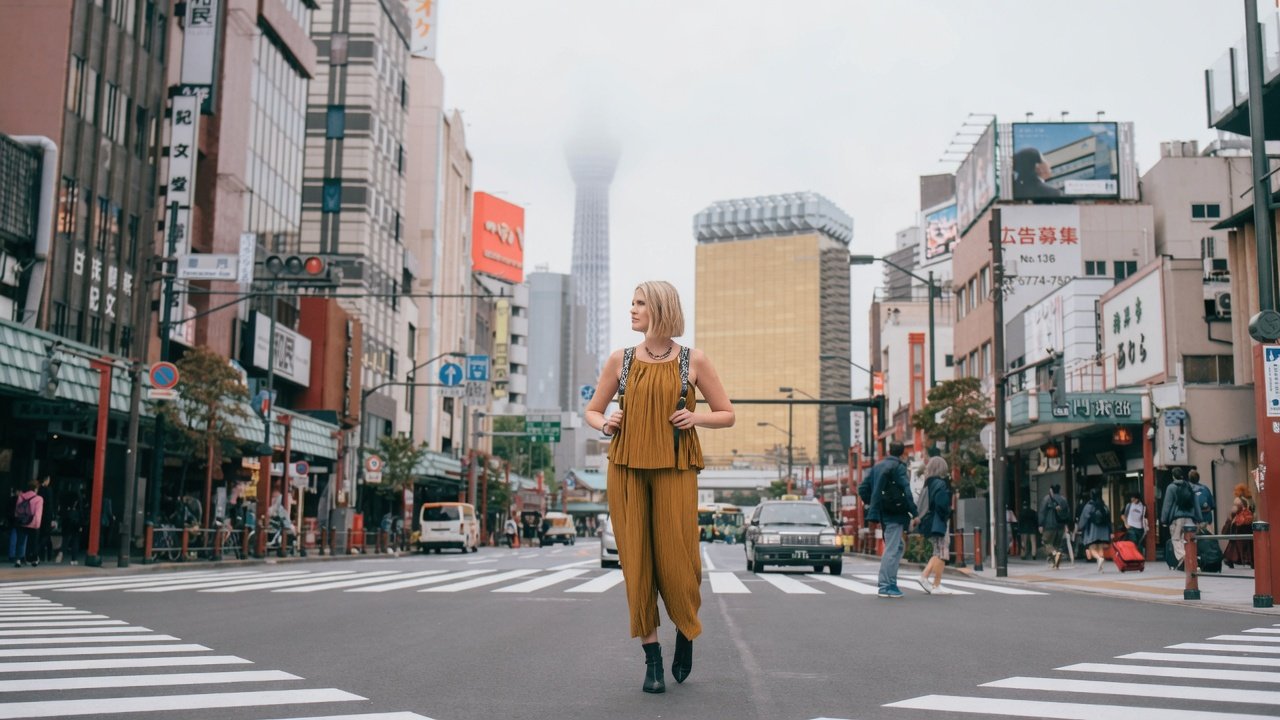
Asakusa centers around Senso-ji, Tokyo’s oldest temple, and the surrounding Nakamise shopping street. This area is a strong choice for solo travel because it rewards slow, unhurried exploration, something that is much easier to do alone than in a group.
Renting a kimono for a few hours is a popular travel activity here, and shop staff are used to helping solo visitors get dressed and take photos. It sounds touristy on paper, but the experience of walking through Asakusa’s old streets in traditional dress is genuinely memorable.
Pros include rich cultural context and excellent street food. The main con is that Nakamise Street gets extremely crowded by midday, so early morning visits work best for solo travel here.
5. Kichijoji for Local Style Solo Travel
Kichijoji rarely appears on first-time visitor lists, which is exactly why it belongs on this one. Consistently ranked in local surveys as one of the most livable areas in Tokyo, it gives solo travelers a real sense of how residents actually spend their weekends.
Inokashira Park is the heart of the neighborhood, with a pond, a small zoo, and enough walking paths to fill an entire relaxed afternoon. The surrounding streets are packed with independent cafes and bookstores, ideal for alone travel days built around slow mornings and long lunches.
Solo travel tip: Bring a book or a journal to one of the park benches near the pond. It is a small ritual, but it turns an ordinary afternoon into one of the more memorable parts of a solo trip.
6. Tsukiji Outer Market for Food-Focused Solo Travel
While the main tuna auctions moved to Toyosu, the Tsukiji outer market remains open and is one of the best places for alone travel built around food. Narrow lanes are lined with small stalls selling grilled skewers, fresh sashimi, tamagoyaki, and strong coffee.
Eating alone at a market counter is one of the most natural forms of solo travel there is. Nobody expects conversation, portions are usually small enough to sample several things, and the pace is entirely up to you.
Arrive early, ideally before nine in the morning, since many stalls sell out or close by early afternoon. This is consistently one of my favorite mornings during any solo travel trip to Tokyo.
7. Odaiba for Reflective Solo Travel
Odaiba is an artificial island in Tokyo Bay, and it offers something the rest of the city does not: open space and water views. After several days of dense streets and crowded trains, travel here feels like exhaling.
The waterfront promenade near the Rainbow Bridge is especially pleasant at sunset. It is also one of the few spots in Tokyo where you can genuinely stretch out on grass, something that matters more than people expect during a long solo travel itinerary.
Odaiba works best as a half-day addition rather than a full destination, since many attractions here lean toward shopping malls and entertainment complexes.
Solo Travel Tips for Getting Around Tokyo
A few practical solo travel tips make a real difference once you land.
- Get a Suica or Pasmo IC card immediately. It works on nearly every train, bus, and even some vending machines, removing a major layer of friction for travel.
- Save offline maps before you go, since not every station has reliable signal underground.
- Eat at counter seating restaurants. They are built for travel and often offer the best food in the neighborhood.
- Carry cash. Many smaller shops and old-style bars still do not accept cards.
- Learn a handful of polite phrases. You do not need fluency, and locals appreciate the effort during solo travel interactions.
Pros and Cons of Solo Travel in Tokyo
Pros
Tokyo’s low crime rate and reliable transport make solo travel genuinely relaxing rather than stressful. The food culture, especially counter dining, is naturally built for one. And the mix of neighborhoods means solo travel here rarely feels repetitive.
Cons
Language barriers can still slow things down outside major tourist areas. Some traditional restaurants remain reluctant to seat solo diners during peak hours, though this is becoming less common. And the sheer size of the city means solo travel itineraries need some planning to avoid wasted time on transit.
A Note From Travel Insider Experience
As a Travel Insider who has spent extended time exploring Tokyo without a set plan, I would say the biggest shift happens once you stop trying to see everything. Solo travel here rewards patience more than ambition. The neighborhoods above are not just tourist stops; they are places where being alone actually adds to the experience instead of taking something away from it.
Frequently Asked Questions
- Is Tokyo safe for solo travel, especially for women?
Tokyo is widely considered one of the safer major cities for solo travel, including for women traveling alone. Standard precautions still apply, particularly late at night in nightlife-heavy districts.
- How many days should I plan for solo travel in Tokyo?
Five to seven days allows enough time to explore several neighborhoods without rushing, though even a shorter travel trip of three days can cover two or three areas comfortably.
- Do I need to speak Japanese for solo travel in Tokyo?
No. Major train stations, signage, and many restaurants offer English support. Learning a few basic phrases still helps, especially outside central Tokyo.
- Is it awkward to eat alone in Tokyo?
Not at all. Counter seating and ramen shops are designed for solo diners, and eating alone is a completely normal part of daily life in the city.
- What is the best area to stay in for first-time solo travel?
Shinjuku or Shibuya work well for first-time visitors because of their transport connections, though Yanaka is a strong alternative if you prefer quieter surroundings.
- Is Tokyo expensive for solo travel?
Tokyo can be budget-friendly for alone travel if you eat at casual counters, use public transport, and choose business hotels or capsule hotels over larger properties.
- What is the best time of year for solo travel in Tokyo?
Spring and autumn are generally the most comfortable seasons for alone travel, with mild weather and, in spring, cherry blossoms in parks like Shinjuku Gyoen and Ueno.
- Can I do solo travel in Tokyo without a data plan?
It is possible using free WiFi and offline maps, though renting a pocket WiFi device at the airport makes alone travel noticeably easier.
My personal Thoughts
Solo travel in Tokyo is not about ticking off famous landmarks; it is about finding the rhythm of a city that works quietly and efficiently around individual travelers. Whether you are drawn to the energy of Shibuya, the calm of Yanaka, or the food stalls of Tsukiji, Tokyo offers enough variety that solo travel here rarely feels one-dimensional. Choose the neighborhoods that match your pace, stay flexible, and let the city fill in the rest.