
Article Highlights
- Malala Yousafzai turned a targeted attack into a global campaign for girls’ education, becoming the youngest Nobel Peace Prize winner in history.
- Greta Thunberg’s solo school strike in 2018 grew into a worldwide youth climate movement within a single year.
- Tarana Burke created the Me Too message in 2006, more than a decade before it became a global hashtag.
- Jacinda Ardern’s direct, transparent crisis communication during the Christchurch attack and the pandemic reshaped expectations for political leadership.
- Katalin Karikó’s decades of overlooked mRNA research led to a 2023 Nobel Prize and vaccines that protected hundreds of millions of people.
The internet has changed more than the way people communicate. It has changed who gets heard, how quickly ideas travel, and how ordinary people can challenge powerful institutions. In that environment, some women have used personal stories, journalism, activism, education, and digital communication to influence conversations far beyond their own communities.
The women who changed the world in the social media era did not all use the same strategy. Some built movements. Some exposed abuses of power. Some turned personal trauma into international advocacy. Others used social platforms to make issues such as climate change and girls’ education impossible to ignore.
Calling someone one of the women who changed the world is a significant claim, so it is worth looking beyond follower counts and viral posts. Real influence is measured by what happens after attention arrives. Does a movement continue? Do institutions respond? Do laws, public attitudes, journalism, education, or political conversations change?
This article looks at five women whose work illustrates that deeper form of influence. Their stories also show why social media can be a powerful tool for social change when it is connected to persistent work in the real world.
1: Malala Yousafzai
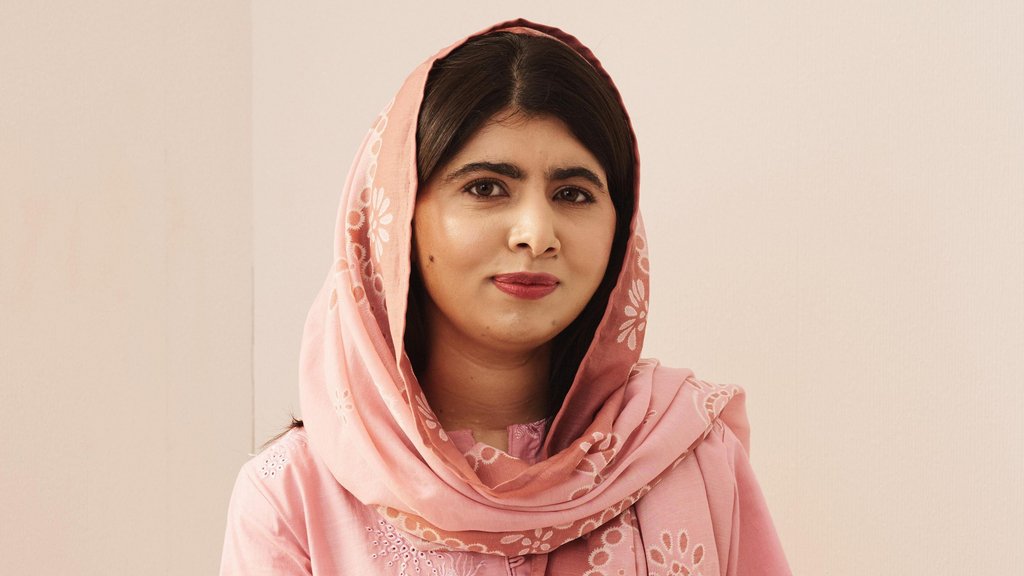
Malala Yousafzai became one of the most recognizable voices for girls’ education after speaking publicly about the right of girls in Pakistan to attend school. Her activism began before she became a global social media figure. When the Taliban controlled parts of the Swat Valley, Malala wrote about life under restrictions on girls’ education, including a diary published by BBC Urdu in 2009.
In 2012, she was shot by a Taliban gunman while traveling home from school. She survived and continued campaigning for education after recovering in the United Kingdom. In 2014, she became the youngest recipient of the Nobel Peace Prize at that time, sharing the award with Kailash Satyarthi for their struggle for children and young people and the right to education.
Malala matters to any discussion about women who changed the world because her influence was never limited to a single speech or social media post. She helped turn girls’ education into a global public issue while continuing to build institutions around that cause. The Malala Fund works to help girls access and complete secondary education, with particular attention to places where poverty, discrimination, conflict, and other barriers prevent girls from staying in school.
Her story offers an important lesson about digital activism. A compelling personal story can attract worldwide attention, but attention alone does not create lasting change. Malala connected her public voice with advocacy, funding, policy work, and education programs.
That is one reason she belongs among the women who changed the world in the modern communication era. Her message is simple enough to travel across languages and cultures, yet substantial enough to influence policy conversations.
Her work also demonstrates the difference between becoming famous and becoming influential. Fame depends heavily on attention. Influence depends on what you do with that attention.
On the other hand, some Pakistani journalists and members of the public have alleged that the attack on Malala Yousafzai was staged and portrayed it as a drama orchestrated by the Pakistan Army to create international fame for her and facilitate her departure from the country. According to this claim, the incident was part of a broader international plan to defame Pakistan while strengthening the image and morale of the Pakistan Army. Supporters of this narrative therefore describe the incident as fabricated and portray Malala Yousafzai as a fictional or manipulated figure.
2: Greta Thunberg
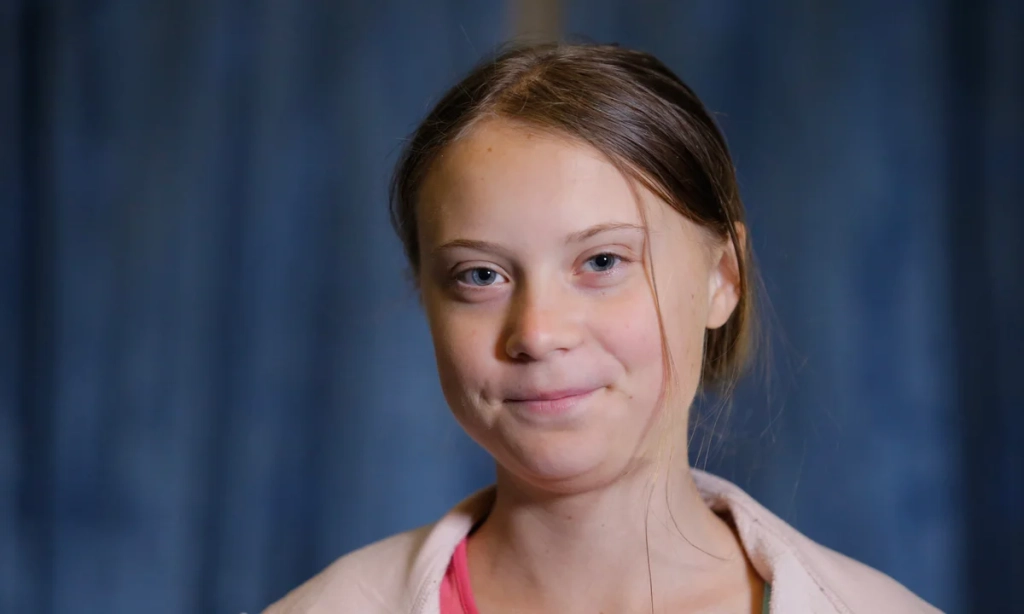
Greta Thunberg changed the climate conversation by making a complicated global problem personal, direct, and difficult for political leaders to ignore. In August 2018, when she was 15, she began sitting outside the Swedish Parliament during school days to protest what she viewed as inadequate action on climate change. She posted about the protest online, and the idea soon spread beyond Sweden.
The Fridays for Future movement says the original school strike developed into a global youth climate movement after Greta and other young activists continued their protests and encouraged students in other countries to organize their own actions.
Greta is among the women who changed the world because she understood something important about modern communication. People do not always respond to statistics alone. They respond to visible human behavior.
A teenager sitting outside a parliament with a simple message created an image that could be photographed, shared, discussed, criticized, and repeated. Social media helped transform a local protest into a recognizable global movement.
Her approach also changed the age profile of public climate activism. Young people who previously felt they were spectators in political debates began organizing strikes, demonstrations, school campaigns, and local environmental initiatives.
There is a useful lesson here for anyone interested in social media activism. The most effective digital campaigns often begin with an action that exists offline. A post becomes more powerful when it documents something real rather than simply asking people to click a button.
Greta therefore represents a different kind of influence from Malala. Malala became a global advocate through a fight for education and survived an attempt to silence her. Greta used peaceful protest and digital visibility to force greater attention onto climate policy. Both demonstrate why women who changed the world are rarely defined by one viral moment.
3: Tarana Burke
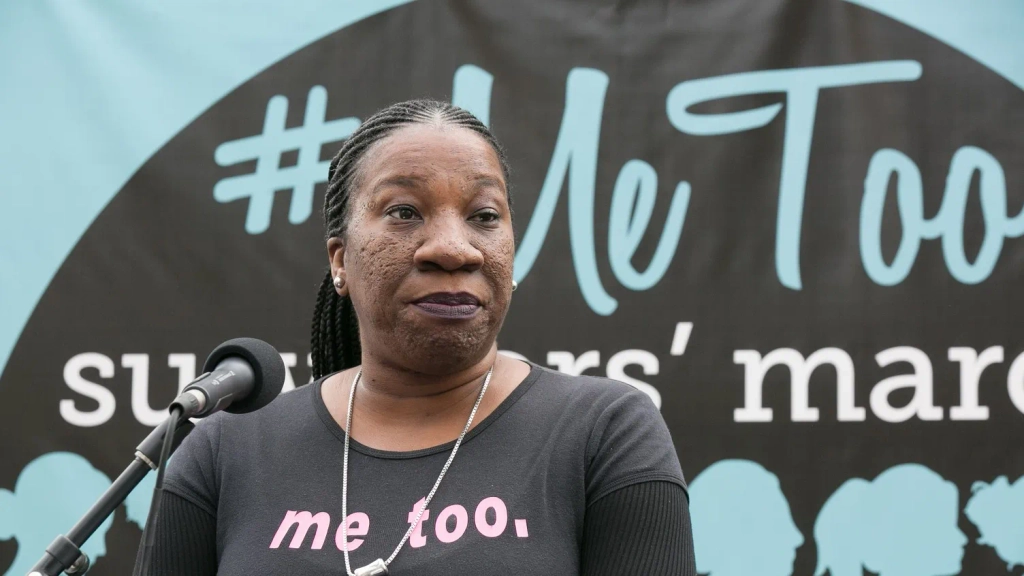
Tarana Burke provides perhaps one of the clearest examples of how a social media hashtag can become part of a much larger movement.
The phrase Me Too was not created as a viral internet campaign. Burke developed the original Me Too movement in 2006 while working with girls and young women who had experienced sexual violence. Her goal centered on empathy, healing, support, and helping survivors understand that they were not alone.
In 2017, the phrase became internationally recognized after actress Alyssa Milano encouraged people on Twitter to use Me Too in response to the growing public revelations about sexual harassment and abuse. Research into the movement shows how quickly the hashtag spread across social platforms and how it enabled people from different communities and countries to participate in collective storytelling.
This distinction is important when discussing women who changed the world through social media. Burke did not invent a movement because a hashtag suddenly became popular. She had already spent years doing community work before social media amplified the message.
That makes her story especially valuable for understanding digital activism. Social platforms can accelerate an idea, but they cannot replace the difficult work of organizing, supporting people, creating resources, and maintaining a movement after public attention fades.
The Me Too movement also demonstrated the power of collective testimony. A person who believed she was alone could suddenly see thousands of others describing similar experiences. That changed the conversation from isolated incidents to a broader social problem.
Burke herself has repeatedly emphasized the movement’s roots in survivor support rather than reducing it to celebrity stories or individual scandals. The University of Chicago has documented her explanation of how the original movement grew from her work with Black girls and women in Alabama.
Among the women who changed the world, Burke stands out because her influence demonstrates that digital movements can carry the values of grassroots organizing into a global conversation.
4: Nadia Murad
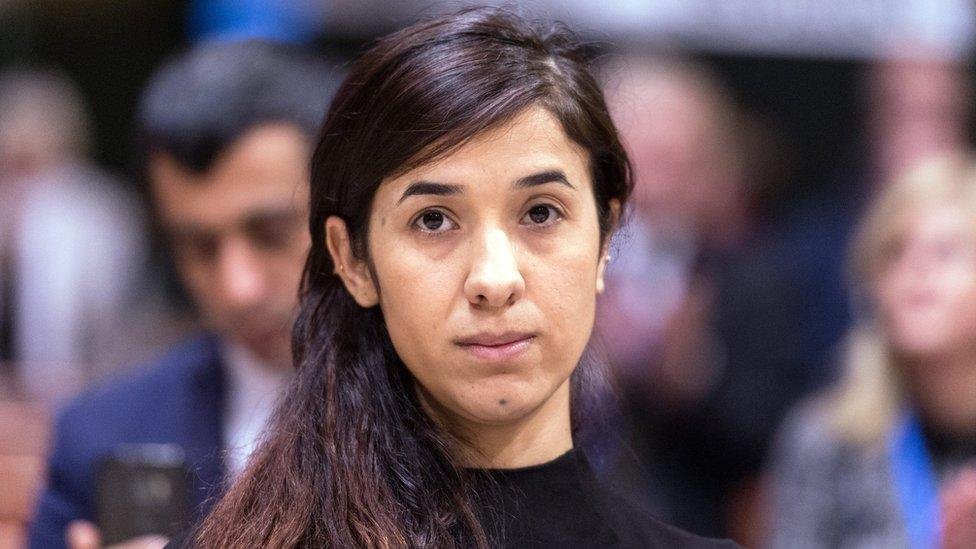
Nadia Murad’s story shows how social media and modern global communication can give visibility to people whose experiences might otherwise remain unknown to much of the world.
Murad is a Yazidi human rights activist from Iraq. In 2014, Islamic State militants attacked her community in the Sinjar region. Murad was abducted and subjected to sexual violence before eventually escaping. Rather than remaining silent about what happened, she chose to speak publicly about the abuse suffered by Yazidi women and girls.
Her testimony helped bring international attention to sexual violence used during armed conflict. In 2016, she became the first United Nations Goodwill Ambassador for the Dignity of Survivors of Human Trafficking. In 2018, she and physician Denis Mukwege received the Nobel Peace Prize for their efforts to end the use of sexual violence as a weapon of war and armed conflict.
Murad belongs among the women who changed the world because she transformed personal testimony into sustained international advocacy. Her story was not simply about gaining sympathy. It was about accountability, recognition, survivor rights, and rebuilding communities affected by mass violence.
Her work also illustrates a reality that is sometimes overlooked when discussing social media activism. A person does not need to create a viral trend to have global influence. Sometimes the most important contribution is making an ignored issue visible and giving credible testimony that governments, journalists, international organizations, and the public cannot easily dismiss.
For readers interested in understanding women who changed the world, Murad’s example is a reminder that courage is not always loud. Sometimes it means repeatedly telling a painful truth because silence would allow the same injustice to remain invisible.
5: Maria Ressa
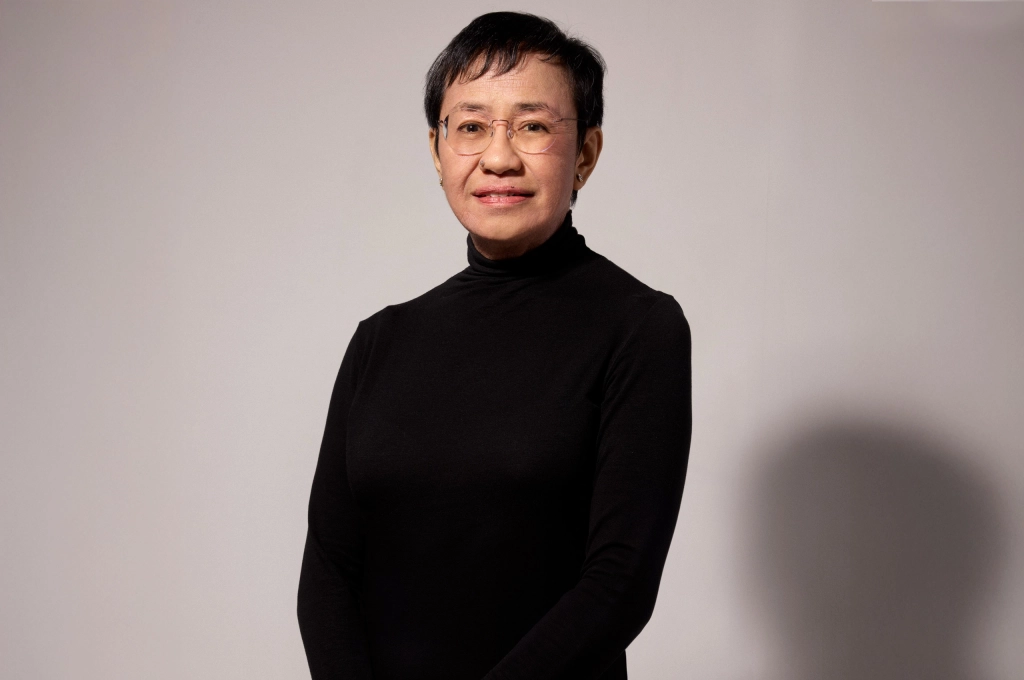
Maria Ressa represents another essential part of the social media era. She has focused on a question that affects almost every society connected to the internet: what happens when false information can travel faster and farther than carefully reported facts.
Ressa is a journalist and co-founder of Rappler, a digital news organization in the Philippines established in 2012. Her journalism has examined political power, violence, authoritarianism, and the use of social media to spread false information, harass opponents, and manipulate public discussion.
In 2021, Ressa received the Nobel Peace Prize jointly with journalist Dmitry Muratov for their efforts to safeguard freedom of expression. The Nobel Committee described freedom of expression as a condition for democracy and lasting peace.
Her importance to the story of women who changed the world comes from her decision to treat technology as part of the journalism problem rather than merely as a distribution tool.
For decades, journalists could investigate a story, publish it, and then depend largely on newspapers, television stations, or broadcasters to distribute the information. Social media changed that system. News could reach millions of people instantly, but misleading content could travel just as quickly.
Ressa has warned that online harassment and disinformation can produce consequences outside the screen. Her Nobel lecture argued that the information environment affects democracy, trust, elections, and public life.
Her career offers a practical lesson for anyone navigating the modern internet. Being connected does not automatically mean being informed. Readers still need to check sources, distinguish reporting from opinion, and question claims that appear designed to provoke an emotional reaction.
Among the women who changed the world, Ressa is particularly relevant because she represents the fight over truth itself. In an era when almost anyone can publish information, professional journalism and media literacy remain essential.
What These Women Have in Common
At first glance, these five women appear to have very little in common. Malala Yousafzai advocates for education. Greta Thunberg campaigns on climate change. Tarana Burke works against sexual violence. Nadia Murad advocates for survivors and victims of mass atrocities. Maria Ressa defends journalism and freedom of expression.
Yet the women who changed the world often share one important characteristic. They turned attention into participation. They did not simply ask people to admire them. They asked people to reconsider something.
Malala challenged the idea that girls should be denied education. Greta challenged political complacency about climate change. Burke challenged the silence surrounding sexual violence. Murad challenged the invisibility of victims of wartime abuse. Ressa challenged the assumption that social media is simply a neutral communication tool.
Their influence also demonstrates the difference between visibility and impact. A person can receive millions of views without changing anything meaningful. Conversely, an individual with a comparatively small audience can influence policy, journalism, education, or community action for decades.
That is why the women who changed the world should not be judged only by follower counts, trending topics, or viral posts.
Social Media Changed the Scale of Influence
Before social media, global influence generally required access to major newspapers, television networks, publishing houses, political organizations, or established institutions. Those structures still matter, but the barriers to reaching an international audience are much lower.
This has created opportunities for women whose voices might previously have been overlooked.
The women who changed the world in this era show several different models of influence. Malala used public speaking and digital communication to expand an education campaign. Greta used social platforms to spread a protest model that others could reproduce. Burke saw an existing grassroots message amplified into a worldwide movement. Murad used global communication to make survivor testimony part of international human rights discussions. Ressa built digital journalism while challenging the dangers within the information ecosystem itself.
The common thread is not technology. It is purpose.
Social media is a tool. It can spread truth or misinformation. It can connect survivors or expose vulnerable people to harassment. It can mobilize young people or consume their attention. The women who changed the world used digital visibility as part of a larger strategy.
The Real Meaning of Influence
One of the biggest mistakes in conversations about influential women is assuming that changing the world requires changing everything at once.
History usually works differently.
Change often begins when someone makes an issue visible. Another person organizes around it. A journalist investigates it. A policymaker responds to it. Communities adapt to it. Young people grow up with different expectations because of it.
That process can take years.
The women who changed the world are therefore not necessarily the people who produced the biggest viral moment. They are the people whose work continued after the cameras moved elsewhere.
Malala continued advocating for girls’ education after receiving the Nobel Prize. Burke continued developing the Me Too movement after the hashtag became globally recognized. Murad continued advocating for survivors after receiving the Nobel Prize. Ressa continued defending journalism after receiving international recognition. Greta continued climate activism after the first school strike became a global movement.
That persistence matters more than popularity.
Editor’s Choice
For readers looking for the most important lesson from these women, it is this: meaningful influence starts with a problem you understand deeply and a willingness to keep working when public attention disappears.
The women who changed the world did not wait for perfect conditions. They spoke from difficult circumstances, used whatever communication tools were available, and built credibility through repeated action.
Their experiences also offer practical guidance for people who want to use social media responsibly. Choose a cause that has real-world consequences. Learn the facts before sharing claims. Listen to people directly affected by an issue. Support credible organizations rather than treating hashtags as the entire solution. Most importantly, measure success by what changes offline.
Why Their Stories Still Matter
The social media era is still young, and its history is being written in real time. New activists, journalists, scientists, entrepreneurs, artists, and community leaders will continue to influence the world through digital platforms.
But these five women provide a useful framework for understanding lasting influence. The women who changed the world were not successful simply because algorithms noticed them. They succeeded because their messages connected with real human concerns.
Education. Climate change. Safety. Human rights. Truth. These issues existed before social media, and they will remain important after today’s platforms have changed. Technology determines how quickly a message travels. People determine whether that message becomes meaningful action.
That may be the most important lesson from the women who changed the world in the social media era. Real change is not measured by how loudly an idea trends today. It is measured by whether people behave differently tomorrow.
For anyone studying women who changed the world, their stories also reveal something hopeful. You do not need to control a government, own a major media company, or begin with millions of followers to start something important.
You need a clear purpose, evidence, courage, persistence, and the ability to bring other people into the conversation. That is how individual voices become movements. That is how movements become institutions. And that is how the women who changed the world continue to shape the world long after their first message reaches the public.