
Article Highlights
- The OMRON 10 Series is the best overall Blood Pressure Monitor for advanced home monitoring.
- The OMRON 3 Series is a practical choice for affordable everyday blood pressure checks.
- The Withings BPM Connect is a strong option for smartphone and automatic data tracking.
- Correct cuff size and validated accuracy matter more than having the most expensive Blood Pressure Machine.
- Proper sitting position and consistent measurement technique are essential for useful home readings.
Choosing among the many blood pressure monitors available today can be surprisingly difficult. A good home device should do more than display a number. It should use a properly sized cuff, have evidence supporting its accuracy, be simple enough to use correctly, and fit naturally into your daily routine.
For this guide, I focused on validated upper arm blood pressure monitors rather than choosing products simply because they have attractive screens or large numbers of online reviews. The American Heart Association recommends using a validated device with the correct cuff size for home monitoring, and the US Blood Pressure Validated Device Listing provides an independent reference for devices that have undergone validation review.
- Our Top Picks for Blood Pressure Monitors
- 1. OMRON 10 Series Blood Pressure Machine BP7465
- 2. OMRON 3 Series Blood Pressure Monitor BP7150
- 3. Withings BPM Connect
- 4. A and D Medical UA 651BLE
- 5. iHealth Track KN 550BT
- How We Chose the Best Blood Pressure Monitors
- Why Cuff Size Matters More Than Most Features
- How to Use a Home Blood Pressure Monitor Correctly
- Upper Arm or Wrist Blood Pressure Machine
- Do Smart Blood Pressure Monitors Make Better Choices
- What About Smartwatches and Cuffless Devices
- Which Blood Pressure Monitor Is Best for You
- Blood Pressure Monitor Buying Checklist
- Lifestyle and Home Blood Pressure Monitoring
- FAQ About Blood Pressure Monitors
- My Personal Opinion
Prices mentioned below are estimated US prices and can change by retailer, country, promotions, taxes, and availability.
Our Top Picks for Blood Pressure Monitors
The five Blood Pressure Monitors selected for this guide are the OMRON 10 Series Upper Arm Blood Pressure Monitor BP7465, OMRON 3 Series Upper Arm Blood Pressure Monitor BP7150, Withings BPM Connect, A and D Medical UA 651BLE, and iHealth Track KN 550BT.
The OMRON 10 Series is the strongest choice for people who want advanced monitoring features. The OMRON 3 Series is a better fit for shoppers who want a straightforward Blood Pressure Machine at a lower price.
The Withings BPM Connect is particularly appealing if you want a connected home blood pressure monitor. The A and D Medical UA 651BLE is a practical option for people who want Bluetooth connectivity, while the iHealth Track is an attractive budget choice.
1. OMRON 10 Series Blood Pressure Machine BP7465
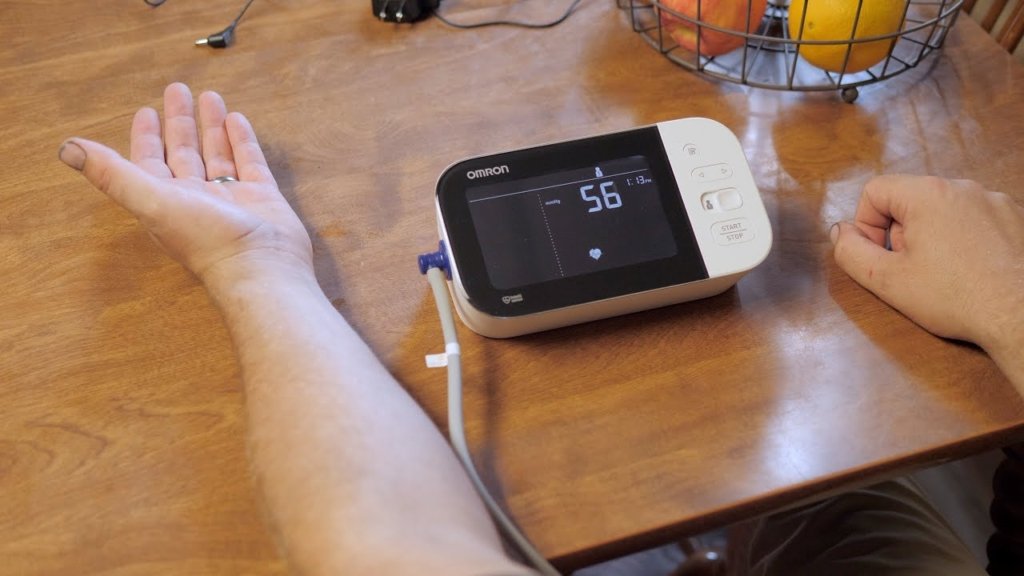
The OMRON 10 Series BP7465 is my top overall pick among these Blood Pressure Monitors because it combines clinical validation, useful memory features, Bluetooth connectivity, a wide cuff range, and atrial fibrillation screening.
The monitor is listed by Validate BP as a validated home device for adult users, with a cuff range of 22 to 42 centimeters. OMRON lists a suggested retail price of 118.99 US dollars and provides two user profiles with 100 stored readings per user.
One of its most useful features is AFib screening. The device automatically screens for possible atrial fibrillation during a blood pressure measurement, but this feature should not be treated as a diagnosis. An unexpected alert should be discussed with a healthcare professional.
The large backlit display is also useful for older adults or anyone who finds small digital numbers difficult to read. Bluetooth support allows readings to be transferred to the OMRON Connect application.
Pros
- Clinically validated
- Two user profiles
- 100 readings stored for each user
- Bluetooth connectivity
- AFib screening
- Large backlit display
- Wide cuff range
Cons
- More expensive than basic Blood Pressure Machines
- Some users may not need its advanced features
- The cuff may not fit people outside its stated range
- Estimated price is about 119 US dollars
2. OMRON 3 Series Blood Pressure Monitor BP7150
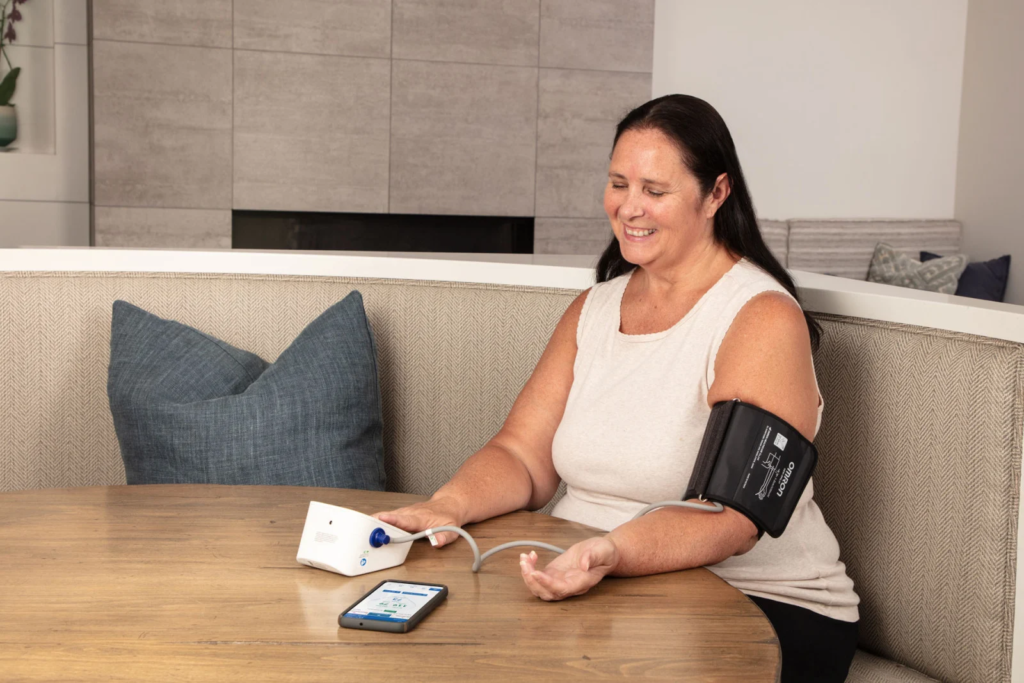
The OMRON 3 Series BP7150 is the best choice for people who want a simple Blood Pressure Machine without paying for premium features.
OMRON lists this model at a 59.99 US dollar suggested retail price. It has one-touch operation, Bluetooth connectivity, an irregular heartbeat indicator, and memory for 14 readings for one user. Its cuff fits adult upper arms measuring 9 to 17 inches.
The BP7150 also appears on the Validate BP listing as a validated home device. That matters because accuracy should be the starting point when choosing Blood Pressure Monitors rather than an afterthought.
This is the kind of blood pressure machine home users can keep on a bedside table and operate without much learning. If you mainly need reliable readings and occasional storage through an app, it offers a sensible balance.
Pros
- Reasonable price
- Validated for home use
- One-touch operation
- Bluetooth connectivity
- Wide range adult cuff
- Simple design
Cons
- Only one user profile
- Stores fewer readings than premium Blood Pressure Monitors
- No AFib screening
- Estimated price is about 60 US dollars
3. Withings BPM Connect
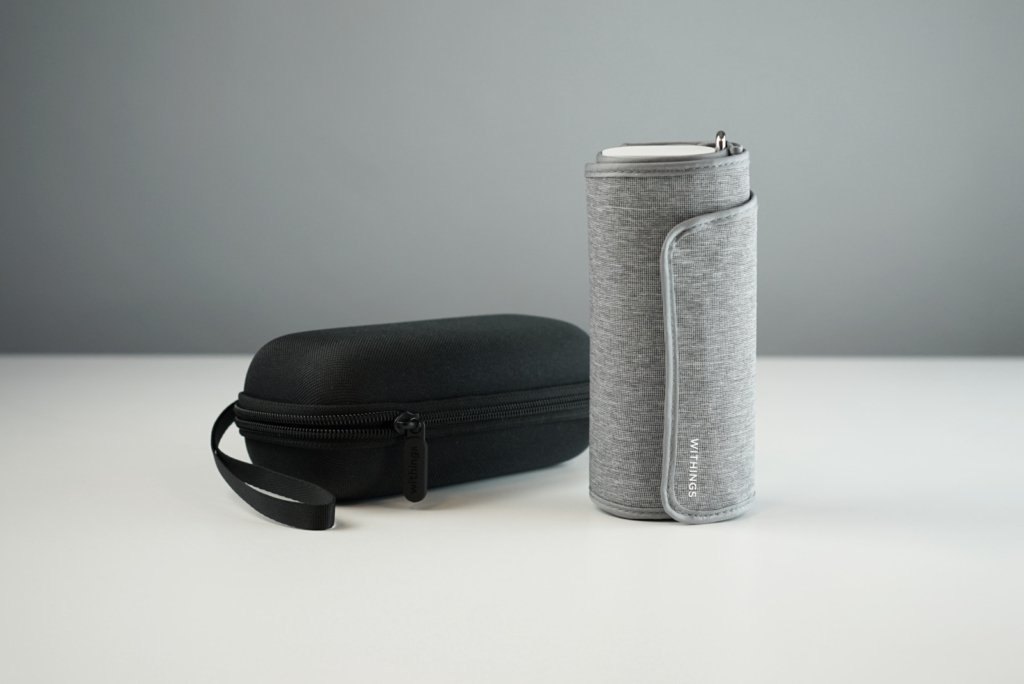
The Withings BPM Connect is one of the more polished Blood Pressure Monitors for people who want their readings automatically organized and available on a smartphone.
Validate BP lists the BPM Connect as a validated home device with an integrated 22 to 42 centimeter cuff. Withings currently lists the device at 129.95 US dollars in the United States.
The main advantage is connectivity. The BPM Connect can synchronize readings through WiFi and Bluetooth with the Withings application, making it easier to keep a long-term record and share information with a healthcare professional.
The device also uses color-coded feedback and provides systolic pressure, diastolic pressure, and heart rate. Its rechargeable battery and compact design make it convenient for regular home monitoring.
For someone who dislikes manually writing down readings, this may be the best blood pressure monitor in the group.
Pros
- Validated for home use
- WiFi and Bluetooth connectivity
- Automatic data synchronization
- Compact design
- Rechargeable battery
- Easy-to-understand display
Cons
- Higher price than basic Blood Pressure Machines
- Smartphone features may be unnecessary for some users
- Integrated cuff limits flexibility compared with monitors using replaceable cuffs
- Estimated price is about 130 US dollars
4. A and D Medical UA 651BLE
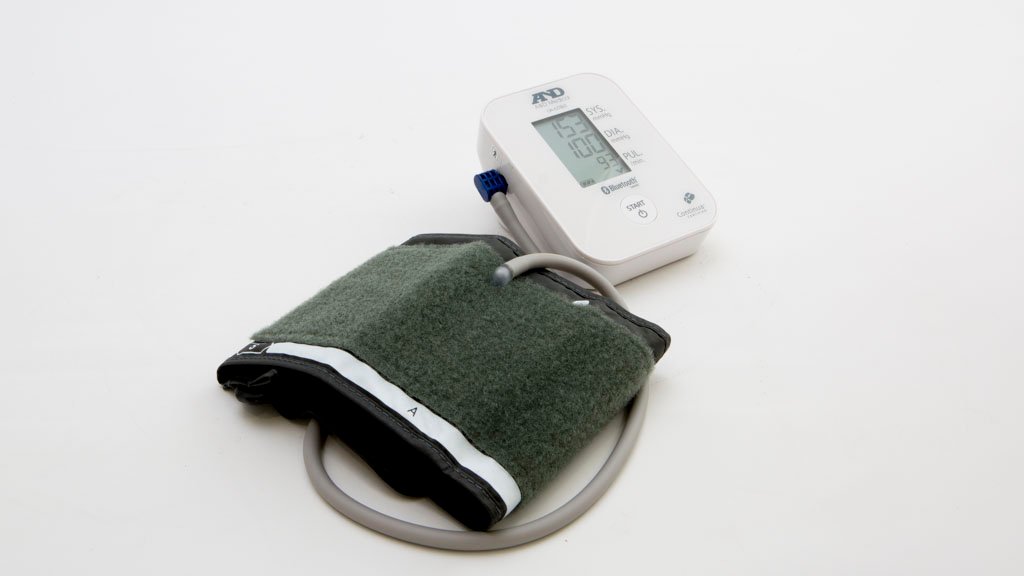
The A and D Medical UA 651BLE is worth considering if you want a dependable Blood Pressure Machine with Bluetooth connectivity and a broader choice of cuff sizes.
Validate BP lists the UA 651BLE as a validated home device. Available cuff options include small, medium, wide range, and large sizes, with the wide range option covering 22 to 42 centimeters and the large option covering 31 to 45 centimeters.
That cuff flexibility is important because an incorrectly sized cuff can undermine the usefulness of even a well-designed blood pressure monitor.
The UA 651BLE is less focused on flashy features than some smart Blood Pressure Monitors. That can actually be an advantage for people who want their device to concentrate on measurement and basic digital record-keeping.
Pros
- Validated home device
- Bluetooth connectivity
- Several cuff size options
- Useful choice for people who need a larger cuff
- Straightforward design
Cons
- Fewer premium features than some smart Blood Pressure Monitors
- Availability and pricing can vary significantly between markets
- Estimated price is about 60 to 90 US dollars depending on the cuff configuration and retailer
5. iHealth Track KN 550BT
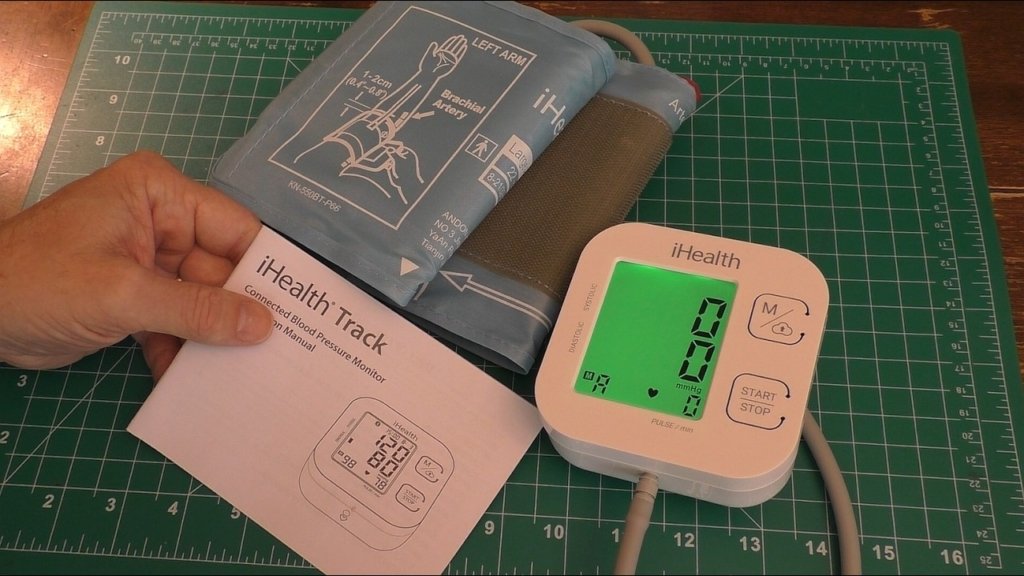
The iHealth Track KN 550BT is a good budget-oriented option for people who want connected Blood Pressure Monitors without moving into premium pricing.
Validate BP lists the iHealth Track as a validated home device with a 22 to 42 centimeter cuff. It supports Bluetooth and smartphone connectivity.
The important point here is that this is not simply a low-cost blood pressure machine chosen because of its price. Its inclusion on the validated device listing provides useful evidence that the model has undergone the relevant validation process.
It is particularly suitable for people who want to keep their measurements digitally while avoiding the price of more sophisticated connected Blood Pressure Monitors.
Pros
- Validated for home use
- Bluetooth connectivity
- Smartphone support
- Wide range cuff
- Budget-friendly positioning
Cons
- Fewer advanced features
- App-based tracking may not appeal to everyone
- Availability can vary by country
- Estimated price is about 40 to 70 US dollars depending on the seller
How We Chose the Best Blood Pressure Monitors
Accuracy came first. A home blood pressure monitor is not particularly useful if its readings cannot be trusted. I gave priority to upper arm Blood Pressure Monitors that appear on the Validate BP listing or have documented clinical validation. The Validate BP process requires documentation including active FDA clearance, independent validation testing under accepted protocols, appropriate cuff sizing, and evidence that the listed model is an equivalent variant when applicable.
Ease of use was the second consideration. A Blood Pressure Machine can have impressive specifications, but if the cuff is awkward to position or the display is difficult to read, people may use it incorrectly or stop using it.
I also considered memory, multiple user support, smartphone connectivity, cuff range, power options, and price. Those features do not replace validation, but they can determine whether a blood pressure monitor works well for a particular household.
Why Cuff Size Matters More Than Most Features
When buying a home blood pressure monitor, measure the circumference of your upper arm before choosing a device. The cuff should match the range specified by the manufacturer. A cuff that is too small or too large can affect the measurement, which is why validated devices are evaluated with appropriate cuff sizes.
This is one reason I would choose a simpler validated Blood Pressure Machine with the correct cuff over a more expensive monitor that does not suit your arm.
How to Use a Home Blood Pressure Monitor Correctly
Even the best blood pressure monitor can produce misleading results if it is used under poor conditions. The American Heart Association recommends avoiding smoking, exercise, caffeine, and alcohol for 30 minutes before measuring. Empty your bladder, sit quietly for more than five minutes, keep your back supported, place both feet flat on the floor, and rest your arm on a surface with the cuff at heart level.
Do not measure over clothing, and do not talk while the Blood Pressure Machine is operating. The American Heart Association also recommends taking at least two readings one minute apart and recording the results. Consistency is important because blood pressure naturally changes throughout the day.
Upper Arm or Wrist Blood Pressure Machine
For most people, an upper arm Blood Pressure Machine is the better starting point. The American Heart Association identifies the upper arm as the standard measurement location and notes that wrist and finger devices can be less reliable. Wrist Blood Pressure Monitors can have a role when an upper arm device is unsuitable or when a healthcare professional specifically recommends one.
For ordinary blood pressure machine home monitoring, I would therefore prioritize a validated upper arm model.
Do Smart Blood Pressure Monitors Make Better Choices
Not necessarily. Bluetooth, WiFi, smartphone applications, multiple user profiles, and cloud records can make monitoring easier. They do not automatically make a Blood Pressure Monitor more accurate.
A basic validated Blood Pressure Machine can be a better choice for someone who only wants a reliable reading. A connected model becomes more useful when you need to maintain a long-term record or regularly share measurements with a healthcare professional.
What About Smartwatches and Cuffless Devices
For now, I would not replace a validated cuff-based blood pressure machine with a smartwatch simply because it is more convenient.
The 2025 American Heart Association and American College of Cardiology guideline specifically advises against relying on cuffless devices for accurate blood pressure measurement until they demonstrate greater precision and reliability.
For people monitoring hypertension at home, validated cuff-based blood pressure monitors remain the safer choice.
Which Blood Pressure Monitor Is Best for You
- If you want the most complete feature set, the OMRON 10 Series is the strongest overall choice.
- If price and simplicity matter most, the OMRON 3 Series is easier to justify.
- If you want automatic digital tracking, the Withings BPM Connect stands out.
- If cuff flexibility is particularly important, the A and D Medical UA 651BLE deserves attention.
- If you want a lower-cost connected option, the iHealth Track is worth considering.
The best blood pressure monitor is ultimately the one that fits your arm correctly, has appropriate validation, and is simple enough that you will use it consistently.
Blood Pressure Monitor Buying Checklist
Before purchasing Blood Pressure Monitors, check the cuff size.
Look for clinical validation rather than relying only on advertising claims.
Choose an upper arm model unless there is a specific reason to use a wrist device.
Consider whether you need Bluetooth or smartphone storage.
Think about whether more than one person will use the device.
Check whether the display is large enough for comfortable reading.
Compare the replacement cuff cost as well as the initial price.
Keep the purchase price within your budget, but do not make price the only deciding factor.
Lifestyle and Home Blood Pressure Monitoring
Home blood pressure monitoring can become a useful part of a broader healthy lifestyle, particularly when a healthcare professional has asked you to track your readings.
A monitor does not replace medical care. Its purpose is to provide consistent measurements that can help you and your healthcare professional understand what is happening outside the clinic.
If your readings are repeatedly higher or lower than expected, discuss them with a qualified healthcare professional rather than changing medication on your own.
If a reading is higher than 180 over 120 mm Hg, follow the American Heart Association guidance and seek appropriate medical evaluation, particularly if symptoms such as chest pain, shortness of breath, weakness, numbness, vision changes, or difficulty speaking are present.
FAQ About Blood Pressure Monitors
How often should I use a home blood pressure monitor?
The right schedule depends on why you are monitoring your blood pressure and what your healthcare professional recommends. If you have been asked to collect readings for treatment or diagnosis, follow the specific schedule provided to you.
Is an expensive blood pressure monitor more accurate
Not necessarily. Validation, correct cuff size, proper positioning, and consistent measurement technique matter more than having the most expensive Blood Pressure Machine.
Are wrist blood pressure monitors accurate
They can be accurate when properly validated and used correctly, but the upper arm remains the preferred measurement location for most people. The American Heart Association notes that wrist and finger devices generally provide less reliable readings.
Can two people share one blood pressure machine?
Yes, provided the model supports multiple users or the readings can be clearly separated. The OMRON 10 Series, for example, stores readings for two users.
Should I bring my Blood Pressure Monitor to my doctor?
That can be a very useful step. A healthcare professional can check your technique and compare your home Blood Pressure Monitor with a clinical measurement.
My Personal Opinion
The OMRON 10 Series is the strongest all-around option in this selection because it combines validation, useful memory, Bluetooth connectivity, a wide cuff range, and AFib screening.
The OMRON 3 Series makes more sense for people who want a straightforward and relatively affordable Blood Pressure Machine. The Withings BPM Connect is better suited to people who value automated digital records, while the A and D Medical UA 651BLE and iHealth Track offer practical alternatives at different price points.
There is no single best blood pressure monitor for every household. The right choice is a validated device with a suitable cuff that you can operate correctly and use consistently.