
I have worn three different generations of Meta glasses over the past two years, and I still remember the moment I stopped thinking of them as a gadget and started thinking of them as something I genuinely rely on.
That shift did not happen because of a single flashy feature. It happened because a handful of small, well-engineered capabilities kept solving real problems in my daily routine. If you are on the fence about buying a pair, here are the five features that actually justify the price tag, based on months of daily use rather than a spec sheet.
1. Hands-Free AI That Actually Understands Context
The biggest reason people buy Meta glasses today is the built-in AI assistant, and it earns that reputation. You no longer have to repeat a wake phrase every time you want to ask a follow-up question. Meta rolled out a more natural conversation mode that lets you say “Hey Meta” once, then keep talking, interrupt, or ask related questions without repeating the wake phrase each time.
What sold me was using it while cooking. I asked Meta AI to identify an ingredient I could not place, then immediately asked a follow-up about substitutions, without saying “Hey Meta” twice. That kind of continuity feels closer to talking to a person than issuing commands to a device.
Meta is also reportedly working on extending how long the assistant can run in the background, moving from roughly half an hour of continuous Live AI sessions toward multi-hour awareness so the glasses can remind you about things you might forget during your day. If that ships, it will be one of the strongest arguments yet for choosing Meta glasses over any other wearable on the market.
2. A Display You Can Actually See
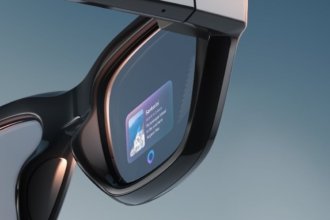
The Meta Ray-Ban Display line changed my opinion of what smart eyewear could do. Instead of squinting at a phone screen for turn-by-turn directions or a quick reply, the information shows up discreetly in the lens itself, and you control it with the Neural Band rather than fumbling with a touchpad.
Practical use cases stack up fast. You get a visual map with walking directions right in your line of sight, live captions and on-the-spot translation during a conversation with someone who does not speak your language, and the ability to send quick replies to WhatsApp, Messenger, or Instagram without ever pulling out your phone. Live captions generate real-time captions and translations so you can read a conversation as you hear it, and asking the glasses to translate a sign or menu produces a written translation right on the display.
I used this exact feature on a trip abroad to read a restaurant menu I otherwise would have had to photograph and translate manually. That single moment made the higher price of the Display model feel worth it.
3. A Camera System Built for Real Moments
Every version of Meta glasses I have tested has improved the camera, and the current generation is genuinely good enough to replace a point-and-shoot for casual use. The Display model includes a 12-megapixel camera with 3x zoom and a live viewfinder in the lens, so you frame a shot before you capture it instead of guessing.
What matters more than the specs is what the camera lets you skip. I no longer pull out my phone to catch a candid moment with my kids or record a quick clip while hiking, because the camera on my Meta glasses is already pointed exactly where I am looking. Two-way video calling takes this further, letting the person on the other end see through your eyes while you see them on your display, which changes how you share experiences in real time rather than after the fact. If photography and quick video capture matter to your daily life, this is one of the clearest reasons to choose Meta glasses.
4. Battery Life and Comfort
Early smart glasses were novelty items you wore for an hour and then set aside because they got hot or ran out of power. That is no longer true. Battery life on Meta glasses has roughly doubled compared to the first generation, and comfort improvements matter just as much as the numbers.
Meta recently introduced prescription-focused frames with flexible hinges, interchangeable nose pads, and adjustable temple tips that an optician can fit to your face, specifically aimed at people who wear glasses all day rather than just for short sessions. I switched to a prescription pair myself, and the difference in comfort after eight or nine hours of continuous wear is noticeable.
If you already wear prescription lenses, this single upgrade removes one of the biggest objections people have to Meta glasses, which is that they only work well for people without vision correction needs.
5. Accessibility Tools
The feature that surprised me most is not aimed at tech enthusiasts at all. Meta partnered with Be My Eyes, the visual assistance service for blind and low vision users, to bring real-time, hands-free support directly through the glasses. A sighted volunteer can see what the wearer sees and offer guidance without either party needing to hold up a phone.
This is not a gimmick tacked onto a marketing slide. It reflects a genuine shift in how Meta positions its eyewear, moving from a photography and messaging accessory toward a tool that can materially improve someone’s independence. Even if you never use this specific feature yourself, it signals that Meta glasses are being built with a wider range of daily needs in mind, which matters if you are trying to decide whether this is a long-term investment or a short-lived trend.
Are Meta Glasses Worth Buying Right Now
After daily use across multiple models, my honest take is that Meta glasses have crossed the line from interesting experiment to legitimately useful hardware. The AI assistant handles real conversations instead of rigid commands, the display models put useful information exactly where you need it, the camera replaces a surprising number of phone moments, the comfort and battery improvements support genuine all-day wear, and the accessibility features show the platform is maturing beyond novelty.
No single feature decides for you, but together they explain why so many people who tried Meta glasses out of curiosity end up wearing them every day. If any of these five features solve a problem you already have, that is the moment to stop researching and actually buy a pair.
It is worth being clear-eyed about the tradeoffs too. Recording indicators, battery limits during heavy display use, and ongoing privacy questions around always-on cameras are real considerations, not marketing footnotes.
Anyone buying Meta glasses should understand how the recording light works and use the device responsibly around others. That said, for the person who wants a genuinely useful pair of AI-powered eyewear rather than a flashy toy, Meta glasses have earned their place on my face most days of the week.