
Article Highlights
- Smart glasses in schools can make unauthorized recording harder to detect.
- Teenagers are increasingly using wearable cameras to create social media content.
- Privacy concerns become more serious when students and teachers are recorded without consent.
- School policies written for smartphones may not cover camera-equipped wearable technology.
- Parents and educators can help prevent misuse by teaching clear rules about recording and consent.
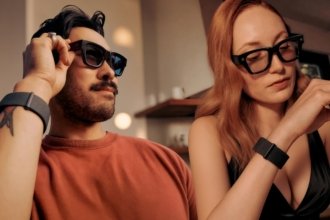
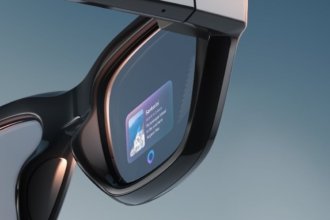
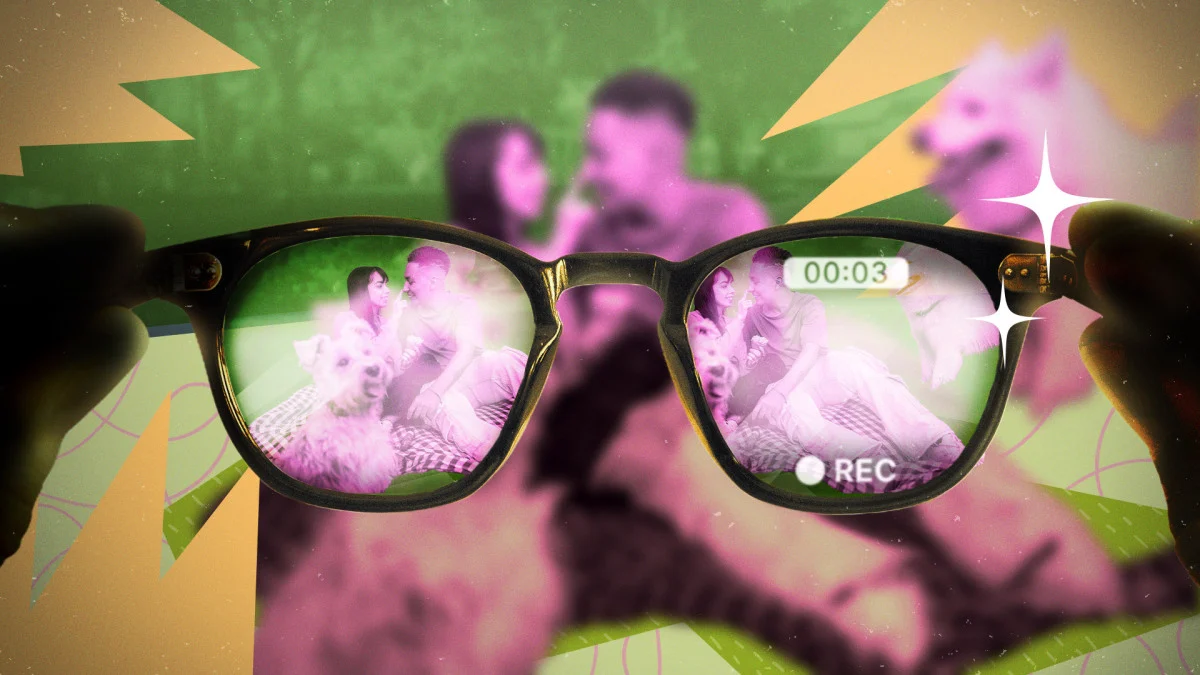
The rapid spread of smart glasses in schools is creating a problem that many educators and parents were not prepared for. Camera-equipped glasses can look almost identical to ordinary eyewear, yet they can capture photos, record video, use artificial intelligence, and share content through connected devices. That combination is changing an old-school problem, unauthorized filming, into something much harder to detect.
A recent example illustrates the concern. A social media video showed a teenage girl entering a high school while a boy wearing camera-equipped glasses followed her and repeatedly asked for her online accounts. The encounter was filmed from his point of view and presented as social media content. The girl clearly did not want to participate. The incident is disturbing not simply because a student was being pestered, but because the interaction was simultaneously being turned into entertainment for an online audience.
That is where smart glasses in schools become different from an ordinary smartphone. A phone usually has to be raised, pointed, unlocked, or otherwise handled before somebody notices what is happening. Smart glasses in schools can be worn throughout the day while the wearer walks between classrooms, sits in a cafeteria, or talks with another student. The camera is positioned at roughly eye level, making the resulting footage feel natural and immediate.
Why Smart Glasses in Schools Are Different
Recent reporting has documented social media videos recorded in school hallways, classrooms, and cafeterias using smart glasses in schools. The footage has included students, teachers, aides and security personnel. Some recordings appear to be ordinary daily vlogs, while others involve pranks, arguments, unwanted approaches and behavior that crosses into bullying or harassment.
The original reporting also found that the people appearing in many of these videos did not seem to know they were being recorded.
The most troubling pattern is not that teenagers are interested in wearable technology. Young people have always experimented with new devices. The bigger issue is how easily smart glasses in schools can merge recording, social media culture, and peer pressure.
Some students appear to be borrowing ideas from viral prank creators and pickup artists who use camera-equipped glasses to record interactions with unsuspecting people. At school, however, the targets are classmates. That changes the consequences. A stranger filmed in a public setting may never encounter the footage again. A teenager filmed by a classmate can potentially face the same person every morning for years.
The social pressure can also be intensified by the possibility of publication. A humiliating interaction that once would have disappeared when the school bell rang can now become a permanent social media clip. Students can be mocked by people they know, by strangers online, or by both. The person who was filmed may have no control over where the footage travels after it has been uploaded.
Smart glasses in schools also raise a basic question about consent. Students should not have to wonder whether an apparently normal conversation is being recorded constantly. Teachers face the same problem. A teacher speaking to a student may believe the conversation is taking place inside the controlled environment of a classroom. A camera-equipped pair of glasses can quietly turn that exchange into digital content.
This concern is especially significant because schools are not simply ordinary public environments. Students are required to attend, classrooms contain minors, and schools have responsibilities involving student safety and privacy. Legal questions can also vary considerably depending on the location and the circumstances of a recording. Andy Liddell of the EdTech Law Center has warned that classrooms can involve stronger expectations of privacy than ordinary public spaces and that recording laws differ between states. He specifically described using smart glasses in classrooms as a serious problem.
That does not mean every recording made with smart glasses in schools is automatically illegal. The legal position depends on factors such as the jurisdiction, whether audio was captured, where the recording occurred, school policies, the people involved, and how the footage was used. Anyone facing a specific legal dispute should obtain advice based on the applicable local law rather than relying on a general internet explanation.
The technology itself adds another layer to the debate. Ray-Ban Meta glasses, one of the most prominent products in this category, include an external capture light intended to signal when photos or videos are being recorded. Meta’s current documentation says the capture LED signals when the glasses are capturing content for a gallery or livestream.
That feature is useful, but it does not eliminate the broader privacy question. A person may not notice a small light in a busy hallway. Someone may not understand what the light means. And recording can be only part of what connected wearable technology does. Current Ray-Ban Meta documentation also describes camera-based artificial intelligence features that can analyze what the wearer is looking at.
This distinction matters when schools create policies. A rule focused only on cameras may not be enough. Smart glasses in schools can combine cameras, microphones, internet connectivity, and artificial intelligence. A policy written years ago to control smartphones may not adequately address all of those functions.
Schools are beginning to respond. The source material for this article notes that several districts have moved toward explicit restrictions on smart glasses in schools, with concerns including unauthorized recording, cheating, artificial intelligence use, and classroom distraction.
There is already evidence of that policy shift. In August 2026, the Mountain View Los Altos High School District in California endorsed a ban covering glasses capable of recording video or using artificial intelligence. The policy reportedly went beyond its existing smartphone restrictions and prohibited the devices across campus.
Another New Jersey district has also been examining technology rules that include smart glasses as part of broader restrictions on connected student devices.
The growth of smart glasses in schools therefore creates a difficult balancing act. Wearable technology is not inherently harmful. Students may eventually use these devices for legitimate educational purposes, accessibility, hands-free learning, or other applications. The challenge is establishing boundaries before harmful behavior becomes normalized.
Parents can play an important role by discussing recording etiquette with teenagers before handing them a pair of smart glasses. The message should be straightforward. If another person would reasonably expect not to be recorded, do not record them. If someone asks you to stop, stop. Do not upload embarrassing footage of classmates. Do not use technology to follow, pressure, or humiliate another student.
Schools can make the same expectations explicit. Instead of relying entirely on general smartphone rules, administrators can define whether camera-equipped wearables are permitted, when they may be used, whether recording requires consent, and what happens when a student violates the policy. Teachers should also know what these devices look like and what their recording indicators mean.
The issue deserves attention before smart glasses in schools become as routine as smartphones. By the time a school discovers that a student has been recording classmates for months, a policy written after the fact cannot undo the footage already shared.
There is also a broader cultural lesson here. Technology often changes faster than social norms. Teenagers may understand how to operate a device long before they understand the consequences of using it around other people. Smart glasses in schools make that gap particularly visible because the device can disappear into an ordinary outfit while its camera remains pointed at everyone nearby.
The responsibility should therefore not fall entirely on teenagers. Parents, schools, technology companies and social platforms all have roles to play. Meta says its glasses include a capture indicator, while platforms such as TikTok have removed videos identified as violating their rules in connection with the reporting described in the source material. But technical safeguards and platform moderation can only go so far.
The most useful approach is prevention. Schools should establish clear wearable technology policies before incidents occur. Parents should talk with children about consent and digital permanence. Teachers should know that ordinary-looking eyewear can now contain cameras and artificial intelligence. Students should understand that filming someone uncomfortable is not harmless content simply because it can attract views.
Smart glasses in schools are still a relatively new phenomenon, which means there is an opportunity to establish sensible expectations now. The goal should not be to reject every new piece of wearable technology. It should be to make privacy and respect part of the technology’s normal use.
If schools wait until every hallway interaction can become social media content, they will be reacting to a problem that has already grown. Smart glasses in schools require clearer rules precisely because they make recording easier, less obvious, and more deeply integrated into everyday behavior.
For educators and parents, the central question is no longer whether teenagers will experiment with wearable technology. They already are. The question is whether schools can establish boundaries that protect students while still leaving room for useful technology. Smart glasses in schools are forcing that conversation sooner than many administrators expected, and the decisions made now could shape how wearable cameras are treated in classrooms for years to come.