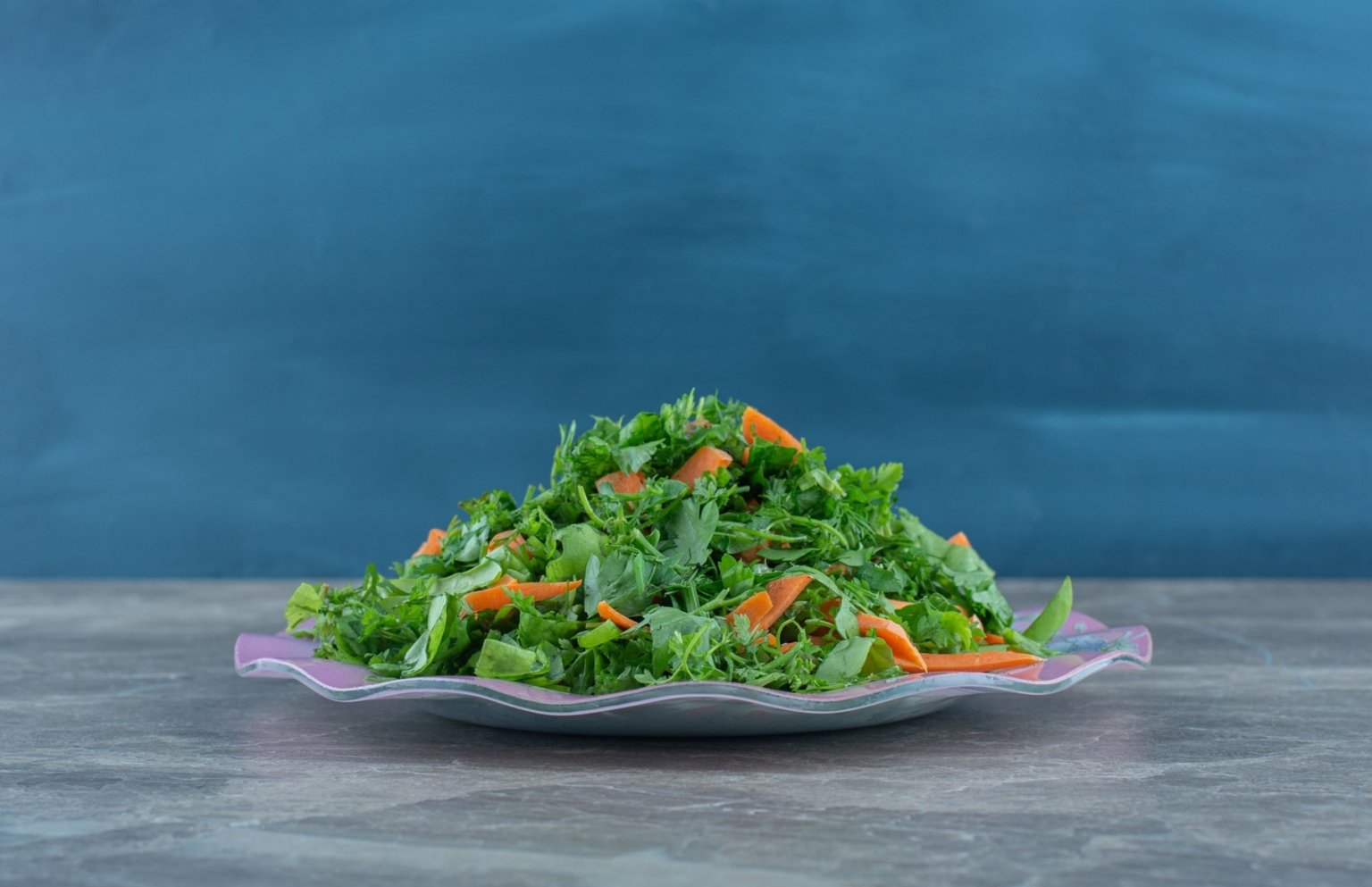

Scientists have successfully engineered lettuce to produce myoglobin, an animal protein that gives meat its color, iron content, and savory flavor. This breakthrough, published in Frontiers in Plant Science, marks the first time a higher plant has stably produced an animal muscle protein, opening new possibilities for sustainable protein production.
What Is High-Protein Lettuce and Why Does It Matter
High-protein lettuce refers to genetically modified lettuce plants that have been engineered to produce myoglobin, the oxygen-binding protein found in animal muscle tissue. Unlike conventional lettuce, which contains minimal protein, this high protein lettuce variety produces approximately 810 milligrams of myoglobin per kilogram of dry weight.
- What Is High-Protein Lettuce and Why Does It Matter
- How Scientists Created High-Protein Lettuce
- The Science Behind Myoglobin Production in Plants
- Potential Applications of High-Protein Lettuce
- Environmental Benefits of High-Protein Lettuce
- Challenges and Regulatory Considerations
- How High-Protein Lettuce Compares to Other Protein Sources
- The Future of High-Protein Lettuce in Agriculture
- What High-Protein Lettuce Means for Consumers
- LifeStyle Implications of High-Protein Lettuce
The significance of high-protein lettuce extends beyond simple nutrition. Researchers at Imperial College London, working with biotechnology partners, developed this innovation to address two pressing global challenges: the environmental burden of livestock farming and the need for sustainable protein sources. Plant cultivation requires far fewer resources than raising animals for meat, meaning high protein lettuce could potentially deliver protein yields per hectare that rival or even exceed traditional animal agriculture while using substantially less water and generating fewer greenhouse gas emissions.
How Scientists Created High-Protein Lettuce
The research team used a technique called biolistic transformation, commonly known as a gene gun, to introduce pig and cattle myoglobin genes directly into the chloroplasts of lettuce and tobacco seedlings. Chloroplasts are the tiny solar-powered structures inside plant cells where photosynthesis occurs, and targeting them proved crucial for success.
This approach yielded approximately three times more protein than inserting the genes into the plant’s nuclear DNA would have produced. In tobacco plants, myoglobin accumulated to about 2.7 percent of total soluble protein, while high-protein lettuce reached around 1.5 percent. Although this represents only about one-tenth to one-fourteenth of the myoglobin proportion found in a steak, it demonstrates that plants can be engineered to produce animal proteins stably and efficiently.
The Science Behind Myoglobin Production in Plants
Myoglobin is an iron-rich heme protein that gives meat its distinctive red color, contributes to its umami flavor, and provides essential dietary iron. By engineering plants to produce myoglobin, scientists have created a pathway to make plant-based meat alternatives that taste and look more like conventional meat while dramatically reducing the environmental footprint of protein production.
The high protein lettuce developed in this study contains the animal protein myoglobin in its chloroplasts, the energy factories for photosynthesis. This is significant because chloroplasts provide an optimal environment for producing complex proteins that require specific cellular machinery to function properly. The researchers cloned optimized versions of pig myoglobin genes and physically shot them into the chloroplasts of young lettuce plants using the gene gun technique.
Potential Applications of High-Protein Lettuce
The myoglobin produced in high-protein lettuce could be extracted and purified for use as an ingredient in plant-based meat products, similar to how Impossible Foods uses yeast-derived leghemoglobin to enhance the meat-like qualities of its products. Alternatively, the engineered high protein lettuce could potentially be consumed directly as a fresh food ingredient, since lettuce is a non-allergenic edible crop that might bypass some purification requirements associated with other production hosts.
Researchers envision high protein lettuce serving multiple roles in the food system. It could function as a heme-iron-enriched biofortified food, helping address nutritional deficiencies in populations with limited access to animal protein. The high-protein lettuce could also be incorporated into everyday meals as a protein-boosted salad ingredient, making it easier for people to increase their protein intake without changing their dietary habits significantly.
Environmental Benefits of High-Protein Lettuce
Livestock farming places a heavy burden on the environment, requiring vast amounts of land for animal feed production and generating significant greenhouse gas emissions. High-protein lettuce offers a more sustainable alternative by producing animal proteins through conventional agriculture rather than animal farming.
Plant-based protein production through high protein lettuce requires substantially lower water use and generates fewer greenhouse gas emissions compared to traditional animal agriculture. The researchers estimate that this approach could potentially rival or even exceed the protein productivity of animal agriculture on a per-hectare basis. This makes high-protein lettuce an attractive option for meeting growing global protein demand while reducing agriculture’s environmental impact.
Challenges and Regulatory Considerations
Despite the promising results, high protein lettuce is still at the proof-of-concept stage and is likely to take several years before becoming commercially available. The protein would need to be extracted, purified, and approved for use in food products, and regulatory questions remain significant.
Genetically modified organisms face varying levels of acceptance and regulation across different countries and regions. Consumer attitudes toward genetically modified foods also play a crucial role in determining whether high-protein lettuce will achieve widespread adoption. Some consumers may embrace the environmental and nutritional benefits of high-protein lettuce, while others may remain skeptical about consuming plants engineered with animal genes.
How High-Protein Lettuce Compares to Other Protein Sources
When evaluating high-protein lettuce against conventional protein sources, several factors come into play. Traditional lettuce contains minimal protein, typically less than 2 percent by dry weight, making it primarily a source of vitamins, minerals, and fiber rather than protein. High protein lettuce, by contrast, contains approximately 810 milligrams of myoglobin per kilogram of dry weight, representing a significant increase in protein content.
Compared to animal meat, high-protein lettuce still contains less total protein per serving, but it offers the advantage of being produced with far lower environmental costs. A steak contains roughly ten to fourteen times more myoglobin than the engineered high-protein lettuce, but producing that steak requires substantially more land, water, and feed resources. High-protein lettuce also provides the vitamins and minerals naturally found in lettuce, including vitamin K, folates, vitamin C, and B-complex vitamins, making it a nutritionally diverse food option.
The Future of High-Protein Lettuce in Agriculture
The successful production of myoglobin in high-protein lettuce demonstrates that plants can serve as efficient bioreactors for producing complex animal proteins. This opens the door to engineering other crops to produce valuable proteins, potentially transforming agriculture into a more versatile and sustainable protein production system.
Researchers plan to continue refining the technique used to create high-protein lettuce, potentially increasing protein yields and exploring applications in other crops. The team at Imperial College London and their collaborators are working to optimize the expression of myoglobin in plant chloroplasts and to develop scalable production methods that could support commercial cultivation of high-protein lettuce.
As the technology matures, high-protein lettuce could become part of a broader strategy to diversify protein sources and reduce reliance on animal agriculture. This aligns with growing interest in sustainable food systems and the development of alternative proteins that can meet global nutritional needs without exacerbating environmental problems.
What High-Protein Lettuce Means for Consumers
For consumers, high-protein lettuce represents a potential shift in how we think about protein-rich foods. Instead of relying primarily on meat, dairy, or processed protein supplements, people could obtain significant amounts of protein from familiar vegetables like lettuce. This could be particularly valuable for individuals seeking to reduce their meat consumption while maintaining adequate protein intake.
The high-protein lettuce developed in this study maintains the taste, texture, and appearance of conventional lettuce, making it easy to incorporate into existing recipes and meal routines. This is important because consumer adoption of new foods often depends on how seamlessly they fit into established eating patterns. High-protein lettuce could be used in salads, sandwiches, wraps, and other dishes where lettuce is traditionally used, providing an invisible protein boost without requiring changes to cooking methods or flavor preferences.
LifeStyle Implications of High-Protein Lettuce
The development of high-protein lettuce intersects with broader LifeStyle trends toward sustainable eating, plant-based nutrition, and environmental consciousness. As more people seek to reduce their environmental footprint while maintaining healthy diets, high-protein lettuce offers a practical solution that aligns with these values.
For health-conscious consumers, high-protein lettuce provides an opportunity to increase protein intake without adding calories from fat or carbohydrates. The myoglobin in high-protein lettuce also supplies heme iron, which is more readily absorbed by the body than non-heme iron from plant sources, potentially helping address iron deficiency in populations with limited access to meat.