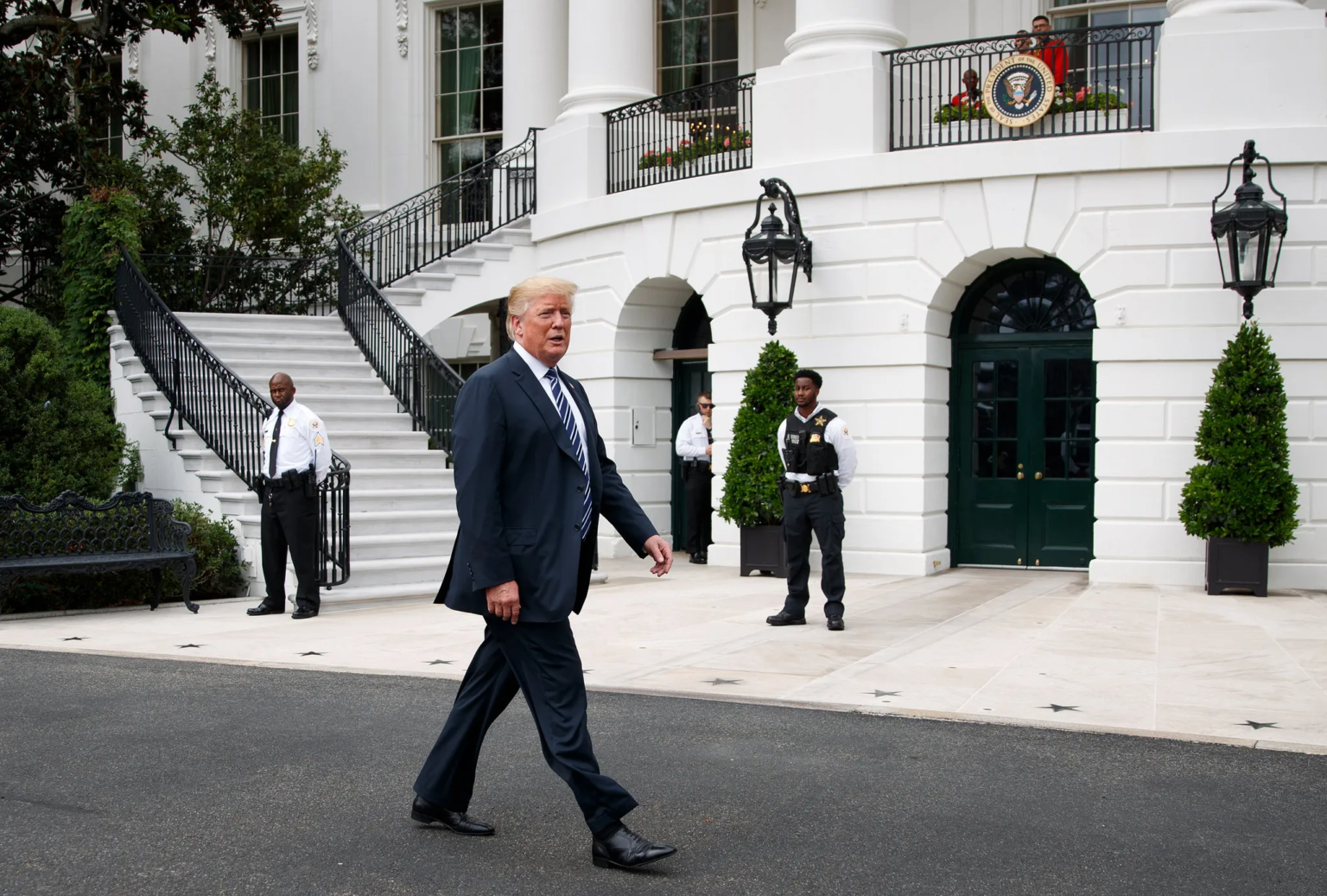

Republicans need Donald Trump to energize voters who may otherwise stay home, but some Republican candidates do not want the president appearing beside them on the campaign trail. That tension captures the party’s central problem: Trump remains one of the strongest turnout forces in Republican politics, yet his declining popularity could damage candidates in competitive districts.
The issue is not simply whether Republicans support Trump. It is whether individual candidates can benefit from his political machine without allowing the 2026 midterm elections to become a referendum on his presidency.
Republicans Need the Trump Base
Republicans have long understood that midterm elections depend heavily on turnout. Voters who participate in presidential elections do not always vote in congressional contests, and that makes low-propensity voters especially valuable.
Trump has a proven ability to motivate the Republican base. His rallies generate attention, his endorsements can influence primary voters, and his political network can provide money and organizational support. Republican leaders therefore see Trump as a powerful instrument for bringing conservative voters to polling stations.
The calculation is particularly important in closely divided states and districts. In races decided by narrow margins, Republicans may not need to persuade every independent voter if they can ensure that their own supporters vote. That is why Republicans continue to treat Trump as an essential part of their turnout strategy.
Recent reporting indicates that Trump’s political team is planning an active campaign schedule, while Republican officials argue that his involvement could help mobilize voters who are less likely to participate in a midterm election.
Some Candidates Want Distance
The problem for Republicans is that Trump’s strength with the party base does not automatically translate into support among swing voters. Candidates running in suburban, moderate, or politically competitive areas may fear that a Trump rally will attract more controversy than persuadable voters.
Some Republican campaigns have reportedly told Trump’s political team that they do not want him visiting their districts. Their concern is straightforward. They want access to Republican voters and conservative donors, but they do not want every local issue overshadowed by Trump’s national controversies.
This creates a difficult campaign choice. A Republican candidate who welcomes Trump may strengthen enthusiasm among loyal conservatives. The same decision may also allow Democratic opponents to portray that candidate as completely tied to the president.
A candidate who keeps Trump at a distance faces the opposite risk. Republican voters who regard loyalty to Trump as a test of political identity may interpret a quiet campaign as disloyalty. The result could be lower enthusiasm, weaker volunteer activity, and fewer votes on Election Day.
The Turnout Versus Persuasion Test
Republicans are confronting two different electoral tasks. The first is turning out voters who already support the party. The second is persuading undecided voters who may dislike Trump but still be open to a Republican candidate.
Trump is highly effective at the first task. His political message can create urgency, reinforce partisan loyalty, and encourage supporters to treat a congressional election as a direct contest between Trump’s movement and his opponents.
His effect on the second task is less predictable. Candidates in competitive areas need to discuss inflation, public safety, health care, jobs, immigration, and local economic concerns. A Trump-centered campaign may make it harder for them to present an independent agenda.
Political strategists therefore face a basic question. Is it more valuable to bring a reliable Republican voter to the polls, or to avoid alienating a moderate voter who could decide the race?
There is no universal answer. In a deep red district, Republicans may benefit from putting Trump at the center of the campaign. In a suburban swing district, a carefully limited association may be safer than a major rally. The right strategy depends on the electorate, the candidate’s personal image, and the strength of the Democratic opponent.
Trump’s Political Brand Still Dominates
Trump’s influence over Republicans is not limited to public appearances. His endorsement, fundraising network, digital reach, and ability to command news coverage give him leverage over candidates across the country.
Republican candidates also know that openly rejecting Trump can carry political consequences. The president has frequently criticized Republican officials who challenge him, and primary voters often remain more loyal to Trump than to the party establishment.
That reality has made complete separation difficult. Even Republicans who do not want Trump at a rally may still use his endorsements in fundraising emails, mention his policy achievements, or rely on allied political committees for advertising.
The party’s challenge is to manage the relationship rather than eliminate it. Some Republican campaigns may seek a selective approach that uses Trump’s image in targeted messages while keeping him away from events designed to attract independent voters.
A Republican operative cited in earlier reporting described Trump as a major turnout force for low propensity voters but also warned that his involvement could create problems if used without discipline.
Why This Matters for November
The debate over Trump is ultimately a debate about the Republican Party’s future. If Republicans win, party leaders may conclude that Trump’s turnout model remains the most effective path in national elections. If Republicans lose competitive races after embracing him, more candidates may demand greater independence.
The outcome could also shape the 2028 Republican presidential field. Potential successors will be watching whether Trump can still expand the Republican electorate or whether his influence mainly activates voters who already support him.
For now, Republican candidates cannot easily choose between Trump’s benefits and his risks. They need his supporters, his money, and his political energy. At the same time, many Republicans want to reassure voters who are tired of presidential conflict and unwilling to make every election about Trump.
That is the party’s uncomfortable reality. Republicans may not want Trump on every stage, but they still need the voters he can bring with him.
What Republican Candidates Should Do
Republicans running in competitive races should avoid treating the Trump question as a simple choice between complete loyalty and total rejection. A more practical strategy would match Trump’s involvement to the local electorate.
Candidates in strongly Republican areas can use Trump’s endorsement and appearances to build enthusiasm. Candidates in swing districts may benefit from using his support through targeted digital advertising, direct mail, and fundraising while keeping their public message focused on local concerns.
Republicans should also make their own record clear. Voters need to know what a congressional candidate would do on the economy, public safety, immigration, education, and government spending. A campaign that offers only loyalty to Trump may struggle to convince voters who are looking for solutions rather than another national political confrontation.
The strongest Republican campaigns will likely be those that understand both sides of the equation. They will respect Trump’s power to mobilize the base without assuming that every voter wants him to dominate the conversation.
What’s next?
Republicans are entering the midterms with a political contradiction at the center of their campaign strategy. Trump may be the party’s most effective tool for energizing Republican voters, but he may also be a liability for candidates who need independents and suburban moderates.
Some Republicans will invite him to campaign beside them. Others will keep him at arm’s length while quietly relying on his endorsement and political network. Their decisions will reveal how much control Trump still has over the party and whether Republicans can build a message that reaches beyond his core supporters. source